Published on
October 25, 2025

Mountain tourism in Greece has increasingly become prominent in the country’s growing travel economy, with projections anticipating intense revenue growth in both 2024 and 2025. As pointed out by the Greek Minister of Tourism Olga Kefalogianni, albeit in its early stages, mountain tourism development is paradoxically aided by supportive legations, Recovery and Resilience Fund projects, and specially designed promotional initiatives. It is a part of the national strategic policy of Greece to augment the country’s tourism portfolio beyond the deeply rooted summer-centric tourism to the winter and the shoulder seasons.
Profits stemming from these initiatives taken by the Ministry of Tourism to stimulate travel to and within Greece’s mountain ranges indicates the extent of success Greek mountain tourism has been able to achieve. Greece has evidently gone through a transformation as it extends its conventional summer-dominated tourism model to a more all-encompassing strategy through reinforcement of multidimensional tourism.
A Growing Contributor to Greece’s Tourism Economy
In a recent meeting with members of the Hellenic Hoteliers Federation, Kefalogianni emphasized that for the first time, mountain tourism is being promoted through coordinated efforts, including the introduction of targeted legislation and funding through the Recovery and Resilience Fund. These actions have already shown measurable economic benefits, boosting tourism in areas traditionally less frequented during the colder months.
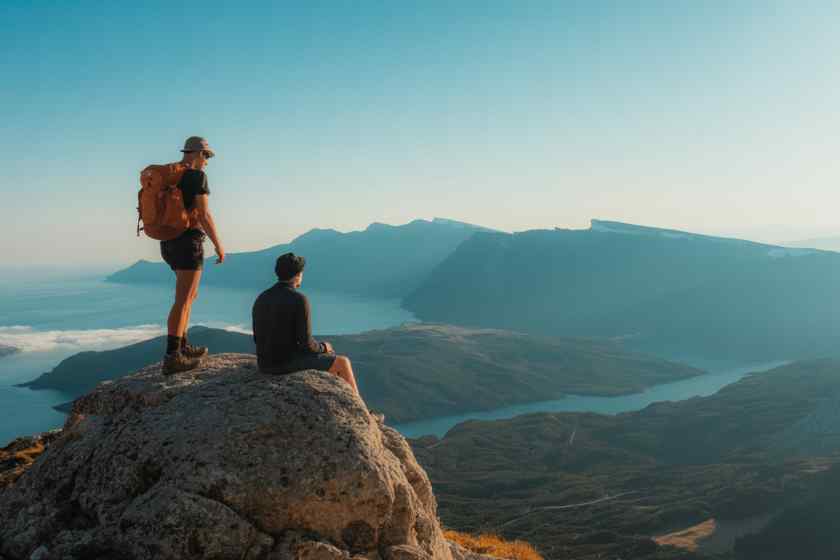
The mountain regions of Greece, known for their natural beauty, outdoor activities, and cultural experiences, are gaining increased attention as destinations for winter sports, hiking, and ecotourism. With more visitors flocking to Greece’s mountainous areas, particularly in destinations like the Pindus mountain range, Zagori, Pelion, and Crete’s White Mountains, the country is witnessing a boost in off-season tourism. This emerging trend is playing a crucial role in helping Greece become a year-round travel destination.
Kefalogianni also mentioned that tourism revenues, arrivals, and overnight stays across the country had risen, highlighting that the tourism sector’s resilience and competitiveness remain strong. The government’s focus on quality tourism, sustainability, and equitable distribution of benefits is contributing to this growth, with a steady rise in interest from both domestic and international travelers.
Policy and Legislative Support for Mountain Tourism
The surge in mountain tourism comes in response to Greece’s strategic decision to support the sector with targeted actions. These initiatives are designed to highlight the potential of Greece’s regional and mountainous areas as viable year-round destinations. Minister Kefalogianni noted that the success of this approach marks a turning point in the way the country promotes tourism.
The combination of targeted legislation, funding from the Recovery and Resilience Fund, and promotional campaigns has made it easier for local businesses to thrive and attract tourists during the off-season. These policies support the creation of sustainable tourism infrastructure, improved services, and enhanced marketing efforts aimed at raising the visibility of Greece’s lesser-known regions.
At the core of this growth are the efforts to expand the tourism season by developing winter sports offerings, establishing new cultural and nature-based experiences, and improving accessibility to mountainous areas. Local governments and businesses in mountain regions have seen the benefits of these changes, with many reporting increased visitor numbers and revenue.
The Role of Destination Management and Marketing Organizations (DMMOs)
During the meeting, both the Greek Tourism Minister and representatives from the Hellenic Hoteliers Federation highlighted the importance of Destination Management and Marketing Organizations (DMMOs) in achieving the goal of extending Greece’s tourism season. DMMOs play a key role in promoting regional destinations and providing tailored marketing campaigns to boost year-round travel.
These organizations help to coordinate efforts at the local level, ensuring that the tourism offerings in Greece’s mountain regions are effectively promoted to international audiences. By working with local businesses, they can create unique packages that include winter sports, cultural tours, hiking, and wellness experiences that attract travelers during the traditionally slower winter months. This also aids in dispersing visitors across the country, helping to reduce overcrowding in more popular destinations during peak season.
Challenges and Opportunities for Mountain Tourism
While the expansion of mountain tourism brings exciting opportunities for regional development, there are challenges to overcome. One key issue is the environmental impact of increased tourist traffic in fragile mountain ecosystems. Ensuring that growth is sustainable and that infrastructure is developed responsibly is essential to preserving the natural beauty and cultural heritage of these regions.
The Greek government has already taken steps to address these concerns by focusing on eco-friendly tourism initiatives, including responsible waste management, energy-efficient accommodations, and preserving local wildlife and natural resources. Moreover, initiatives aimed at promoting local food and crafts ensure that tourism dollars benefit communities in the mountain areas.
Another challenge discussed at the meeting was the hospitality sector’s workforce shortage, an issue that has affected tourism across Greece. The government and tourism organizations are working together to address labor shortages by offering training programs and improving working conditions for employees in the hospitality sector.
Looking Ahead: Strengthening Greece’s Year-Round Tourism Offering
The success of pinpointed promotion of mountain tourism corresponds with Greece’s aim to be a year-round destination. The addition of winter activities to the country’s coastal resorts and mountain tourism dalm activities to the country’s diverse portfolio of tourism amenities increasingly claims recognition for Greece’s voraciously growing socioeconomical landscape.
The focus on mountain tourism addresses potential economic growth for the local communities. It also propound to the tourists a wholesome experience of the country and its multifaceted natural environment and rich heritage. Greece’s mountains along with sustainable tourism practices are most likely to converge and leave a mark on the global tourism economy.
