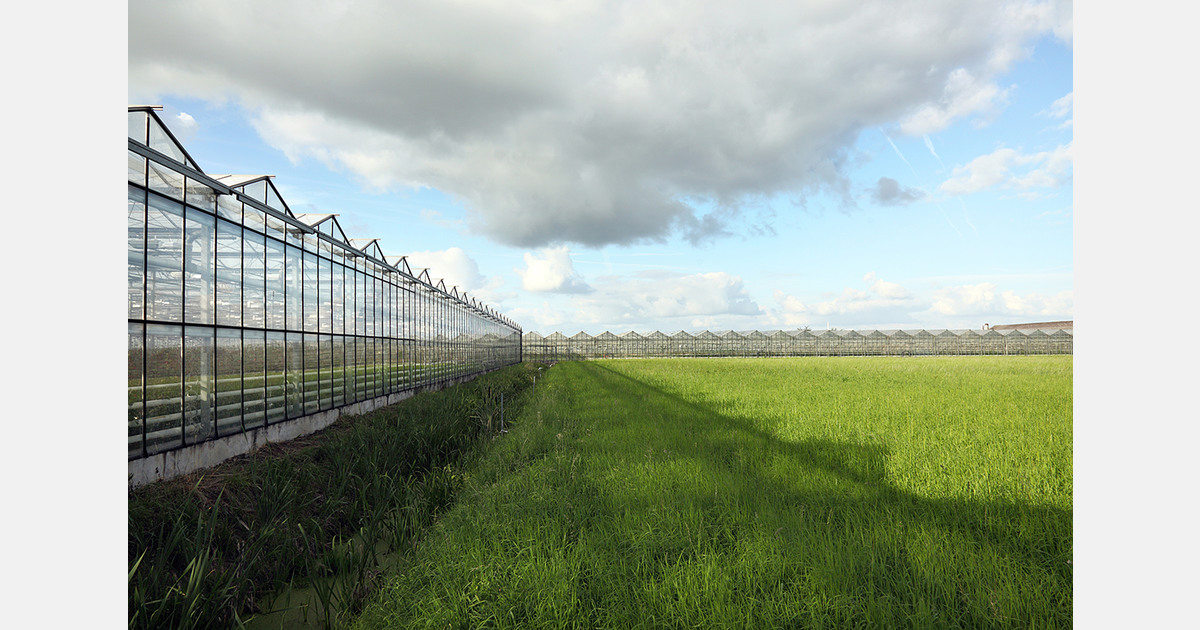
The output of carnations has also expanded recently in Isparta, which produces 65% of the world’s rose oil. Carnations grown in greenhouses across the city are starting to be harvested. Cold storage is where the cut flowers are kept. After that, the staff meticulously choose the carnations and package them in bunches for shipping to Europe.
In addition to helping the local economy, carnation exports are crucial for showcasing the city to the outside world. Carnation production in the city is done in greenhouses in Deregumu village and the Cunur area, Mustahattin Can Selcuk, president of the Isparta Chamber of Agriculture, told the press.
“We plant carnations in two separate periods throughout the year,” Selcuk said, indicating that they anticipate a high output this year. “In November, we prepare our greenhouses, and in December, we plant them. On May 15th, we start harvesting the carnations that were planted this month. The first harvest season goes like this.” According to Selcuk, the second harvest occurs in September, while the second planting occurs in April.
Selcuk clarified that working in the greenhouse has certain difficulties compared to working outdoors, saying, “On a summer day, if the temperature outside is 40 degrees, it can reach 60 degrees inside the greenhouse. Our carnations are shipped to Arab nations, Russia, and Ukraine, as well as European nations like the Netherlands, Germany, and England. This year, we anticipate harvesting 200 million stems of carnations.” Selcuk went on to say that in addition to carnations, Isparta has established itself on the global market for goods including apples, tomatoes, lavender, and roses.
Source: AA
Frontpage photo: © Ahavelaar | Dreamstime
Publication date:
Fri 24 Oct 2025