Quick Read
The PKK has begun a full withdrawal of its fighters from Turkey to northern Iraq, marking a major step in the peace process.The move follows the PKK’s formal renunciation of armed struggle and calls for political reforms and Abdullah Öcalan’s release.Turkey has established a parliamentary commission to oversee legal and political reforms related to the peace process.Both sides stress the importance of reciprocal action and warn against provocations or sabotage.The outcome of the process could have broad implications for regional stability and Kurdish rights.
PKK Announces Complete Withdrawal: A New Chapter for Turkey and the Kurds
On Monday, the Kurdistan Workers’ Party (PKK) publicly declared it would withdraw all its forces from Turkish soil to northern Iraq—a move that signals one of the most significant breakthroughs in the protracted peace process between Ankara and the Kurdish movement. For decades, the PKK’s armed struggle has shaped the political landscape and led to the loss of nearly 50,000 lives since the 1980s. Now, with fighters departing Turkey, the landscape seems poised for a dramatic transformation.
From Armed Struggle to Political Engagement
The withdrawal, announced from the Qandil region in northern Iraq, comes just months after the PKK formally renounced its 40-year armed campaign. This shift isn’t just symbolic; it’s a practical step in the ongoing disarmament process, which began with the destruction of weapons in a ceremony last July. President Recep Tayyip Erdoğan hailed that event as “the opening of a new page in history for a strong and united Turkey,” underscoring the government’s view of the peace initiative as irreversible.
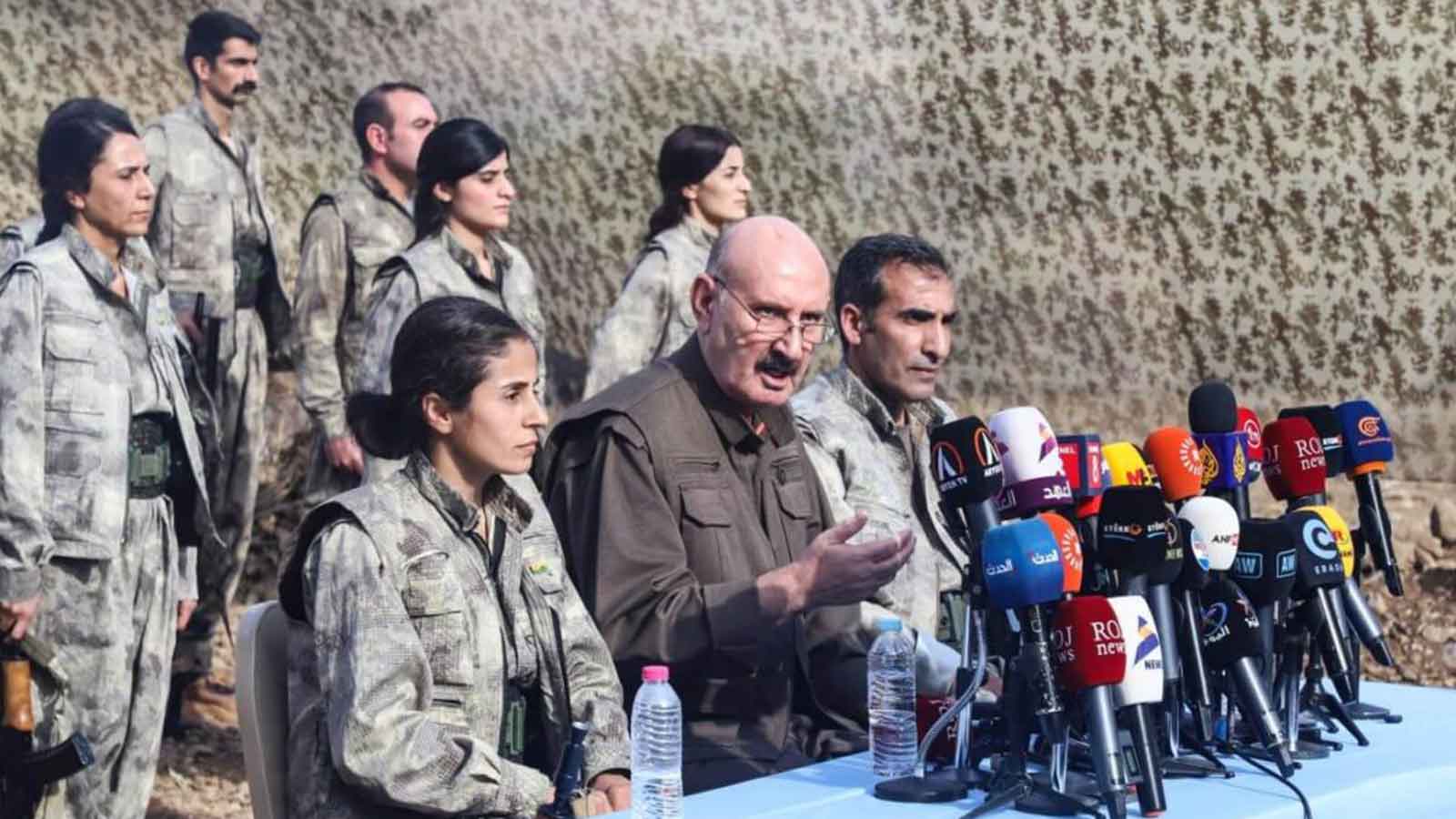
At the heart of these developments is Abdullah Öcalan, the PKK’s imprisoned founder. Held in solitary confinement since 1999 near Istanbul, Öcalan has been guiding the peace process from his cell. Earlier this year, he urged the PKK to lay down its arms and embrace democratic participation, responding to Ankara’s Terrorism-Free Turkey initiative. As PKK fighters gathered in the Qandil Mountains for the withdrawal ceremony—25 of them, including eight women, led by three commanders—the shadow of Öcalan loomed large in the form of banners and speeches.
Peace Process: Progress, Hurdles, and the Role of Political Reform
While Turkey sees the PKK’s withdrawal as a concrete result of its political roadmap, the Kurdish group insists the process must be reciprocal. PKK spokesperson Zagros Hiwa emphasized that their step was unilateral, intended to demonstrate seriousness, but called on Ankara to enact legal reforms. The PKK’s leadership has been clear: laws guaranteeing freedoms and democratic participation are essential for true reconciliation. Currently, Kurdish language use remains restricted in parliament—a point Hiwa highlighted as evidence of ongoing denial politics.
Turkey has established a 51-member National Solidarity, Brotherhood and Democracy Commission to oversee the legal and political reforms underpinning the peace initiative. The commission, which includes representatives from multiple parties, is tasked with preparing the framework for integrating the PKK into the democratic process and regulating the status of former fighters. Ömer Çelik, spokesperson for the ruling Justice and Development Party (AK Party), wrote that the PKK’s move aligns directly with the Terrorism-Free Turkey process, aiming to dissolve all armed groups in the region, including the PKK’s Syrian affiliate, the YPG.
Yet, from the PKK’s perspective, progress hinges on more than symbolic gestures. Senior PKK leader Sabri Ok insisted that laws tailored to the peace process—not just a blanket amnesty—are needed. The group has called for the immediate release of Öcalan, arguing his freedom is “crucial” for the peace process to advance. Devrim Palu, another senior PKK figure, said in an interview: “It’s very difficult to carry out such an important process in isolation or in prison conditions. His freedom is crucial for this process to advance with greater effectiveness.”
The Human Face of Withdrawal: Fighters, Families, and Political Stakes
The withdrawal is not just a geopolitical event; it’s a deeply personal moment for hundreds of fighters and their families. As the PKK began its movement out of Turkey, observers estimated that between 200 and 300 fighters would eventually make the journey. The ceremony in Qandil was a microcosm of this larger transition, with fighters standing solemnly in front of Öcalan’s image, some visibly emotional, others resolute. Among the departing group were three commanders and eight women, highlighting the PKK’s diverse membership.
Indirect talks between the PKK and Turkish officials began late last year, facilitated by President Erdoğan and the pro-Kurdish Peoples’ Equality and Democracy Party (DEM Party). The DEM Party, Turkey’s third-largest, has played a pivotal role in building consensus and supporting the peace deal. Last month, Öcalan was granted access to his lawyers for the first time since 2019—a gesture seen as a sign of thawing relations. The DEM Party has scheduled meetings with Erdoğan, and a delegation is set to visit the president this week, further underlining the high-level political engagement required for the process to succeed.
Challenges Ahead: Legal Reform and Regional Implications
The future of the peace process will depend heavily on legal reforms. The parliamentary commission is tasked not only with shaping laws for the PKK’s political integration but also with deciding Öcalan’s fate. For many Kurds, his release would symbolize a genuine commitment to peace. Over the past year, Öcalan has received visits from family and negotiators, but his continued isolation remains a contentious issue.
There are also warnings about potential sabotage and provocation. The Turkish government has stressed the need for vigilance, referencing earlier peace efforts that collapsed in 2015 due to internal and external pressures. Senior PKK leaders have echoed these concerns, urging both sides to avoid polarizing language and emphasizing that peace processes “don’t happen overnight.” According to Devrim Palu, “Undoubtedly, there will be phases where they drag on or sometimes stall, then the path opens again. But for them to be more on track … certain steps need to be taken.”
Beyond Turkey’s borders, the resolution of the PKK conflict could have far-reaching effects across the Middle East. Ankara’s approach to the YPG in Syria and broader regional security concerns remain closely tied to the Kurdish question. The peace process is not just a domestic affair—it’s a linchpin in Turkey’s efforts to eliminate security threats and stabilize its relationships with neighboring countries.
PKK’s Strategic Calculus and the Weight of History
For the PKK, the withdrawal and destruction of weapons represent a demonstration of good faith—not just to the Turkish public, but to the world. As Devrim Palu noted, “With these steps, we have demonstrated not only to the Turkish public but also to the world how sincere and serious we are about resolving this issue.” The organization’s willingness to renounce armed struggle and pursue a democratic path marks a profound transformation in its identity and strategy.
Yet, the weight of history hangs heavy. The PKK’s rebellion, initiated by Öcalan in 1978, has shaped the Kurdish experience for generations. Today, the group faces the challenge of redefining its role—not as an armed insurgency, but as a political actor advocating for Kurdish rights within Turkey’s democratic framework. Success will require not just legal reforms, but a shift in social attitudes, trust-building, and sustained political will.
The PKK’s full withdrawal from Turkey is a watershed moment, reflecting both the exhaustion of conflict and the hope for a peaceful future. Whether this turning point will lead to lasting reconciliation depends on the courage of political leaders to enact meaningful reforms, the willingness to listen to diverse voices, and the ability to translate symbolic gestures into structural change. The fate of Abdullah Öcalan—still in solitary confinement—remains a potent symbol of both possibility and unresolved tension in the Kurdish peace process.