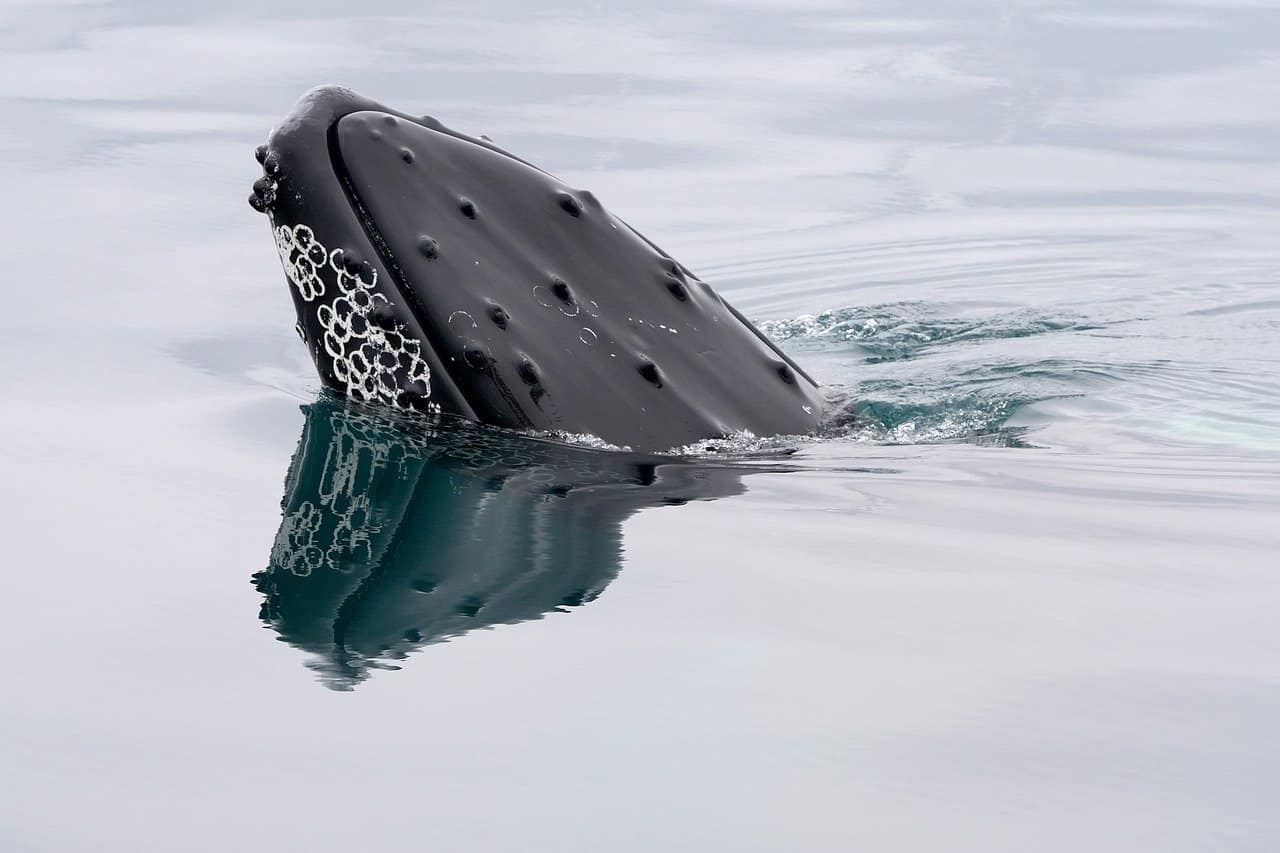
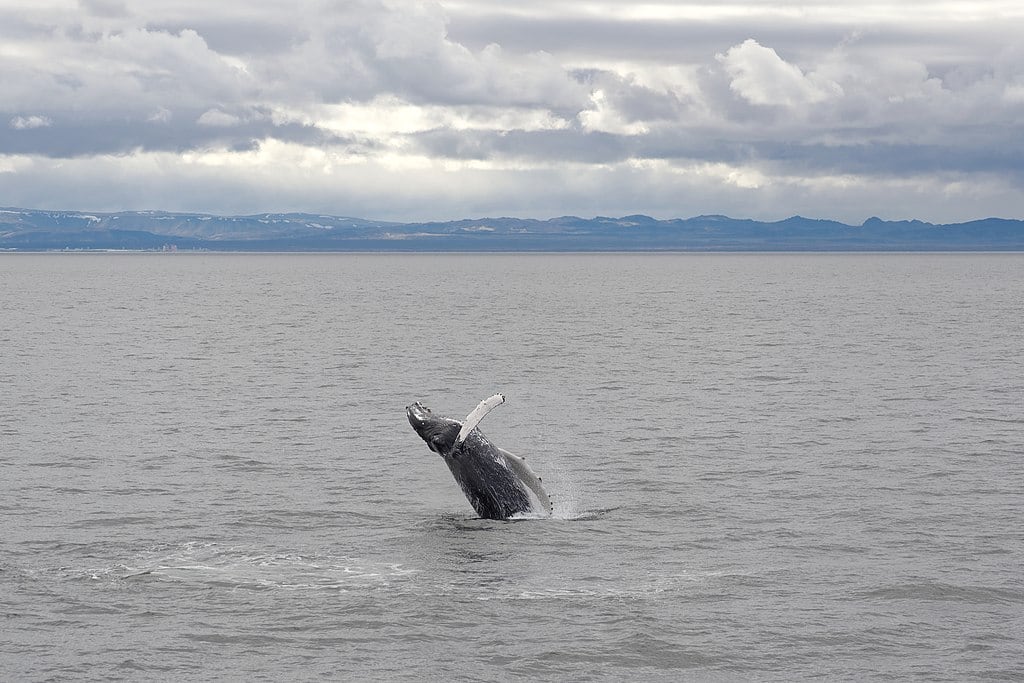
 A fin whale. Image credits: Wikipedia Commons.
In 2023, Iceland’s government lifted a ban on commercial whaling. The temporary ban had been implemented in June due to animal welfare concerns and was not renewed. But now, commercial whaling in Iceland has been effectively halted for 2025. The country’s largest—and only remaining—whaling company, Hvalur hf., announced it would not hunt this summer, marking the second consecutive year the hunt has been cancelled.
Whale hunting in Iceland
The country’s government implemented new guidelines aimed at killing whales as fast as possible to reduce suffering, but stopped short of banning the practice. This makes Iceland one of the very few countries still left legally pursuing whaling.
The International Whaling Commission, a global organization that works on whale conservation, set a global moratorium in 1986 after some species were close to extinction. Iceland, together with Norway and Japan, are notable exceptions that continue to allow commercial whaling — sometimes, even endangered whales. In 2022, Iceland killed 148 fin whales.
Surveys suggest that Icelanders oppose the whale hunts by a thin margins In 2023, then Fisheries and Foods Minister Svandis Svavarsdottir told reporters she understood the views of most Icelanders but said she had to follow a legal framework based on the license given to Hvalur by her predecessor.
“With the expiry of the ban, the ministry is now implementing strict and detailed new requirements for hunting including equipment, methods and increased supervision,” Svavarsdottir told The Guardian. “Irrespective of my personal or political standpoint on whaling, evaluation of its future remains ongoing and the official process continues.”
But ethics isn’t what’s stopping Icelandic whaling in 2025, it’s all about the economy.
Icelanders don’t really eat whale meat. Hvalur exports most of it to Japan. CEO, Kristján Loftsson, cited adverse economic conditions in Japan. Loftsson noted that inflation and low product prices in Japan “make it not justifiable to hunt.” This follows the 2024 cancellation, which Hvalur blamed on Svandís Svavarsdóttir. In what was seen as a highly politicized move, Svavarsdóttir issued the season’s permit only one day before it was scheduled to begin, making it logistically impossible for the company to prepare for the season.
The politics of whaling
Iceland banned commercial whaling in June after a government report found it took too long for whales to die after they were harpooned, in violation of the law on animal welfare. Following the report, a group of experts looked at ways to address this and found “it’s possible to improve the methods used,” a government statement reads.
The new regulations will include stricter requirements for hunting equipment and methods. Hunting should only happen in daylight and within a distance of 25 meters from the boat. No calf must be involved. Government agencies, the Directorate of Fisheries and the Food and Veterinary Authority will work together on supervision.
Last year, Iceland killed zero whales, and the year prior (2023), only 24 fin whales were killed. Iceland’s second-largest company, IP-Utgerd, which hunted minke whales, ceased operations in 2020, citing declining profits.
But in December 2024, after Iceland’s governing coalition collapsed, the outgoing Prime Minister Bjarni Benediktsson issued new five-year quotas during his final days in office. The move was widely criticized, and the new Prime Minister, Kristrún Frostadóttir, has since stated that Iceland’s whaling laws are “outdated and require revision,” a sentiment echoed by her Foreign Minister, who called the practice “absolutely indefensible.”
The species most hunted in Iceland are fin whales, the world’s second-largest whale species. They are listed as vulnerable, threatened by whaling, habitat loss, pollution, and climate change. The new quotas controversially permit 209 fin whales and 217 minke whales to be hunted annually until 2029.
Ultimately, the pause in whaling highlights a stark reality: the future of this practice in Iceland is being decided almost entirely by political maneuvering, not by the ethical questions that surround it.
This article was originally published in September 4, 2023, and was reedited to include recent information.