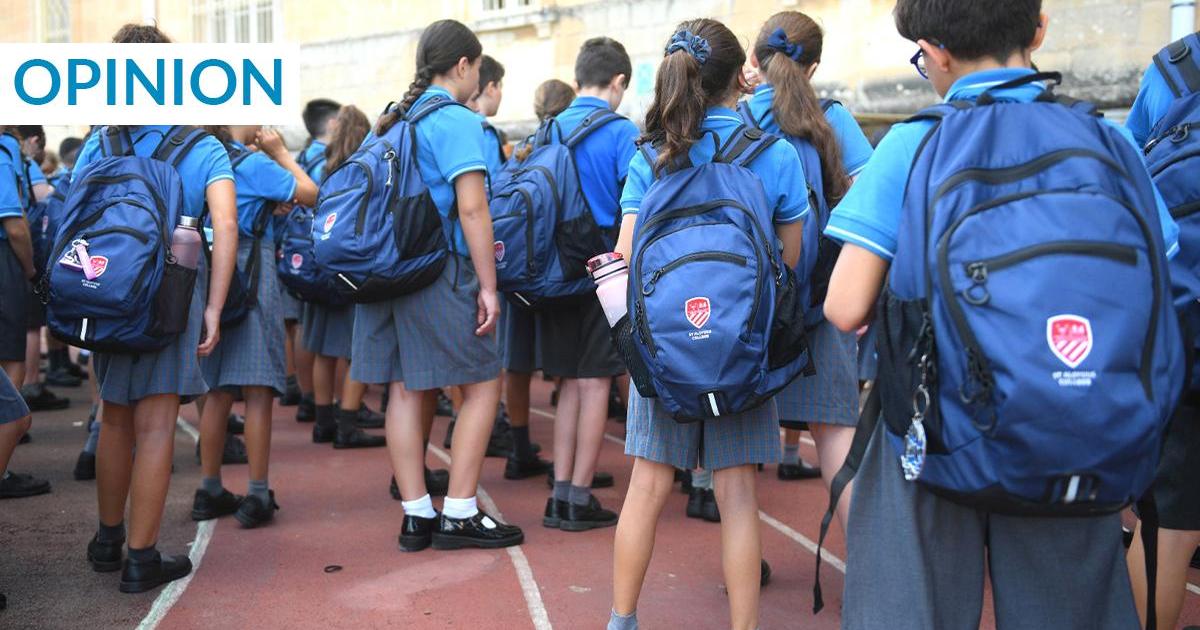
Malta’s educational system has been based on strict curricula, exam-driven learning, and a degree hierarchy for far too long. Although this approach offered stability in the past, it is not appropriate for a society characterised by cultural fluidity, changing labour markets, and rapid technological progress.
Malta needs to transition to a flexible, skills-based, and culturally-based educational system if it hopes to stay relevant. In a culture where adaptation is just as important as knowledge, reform should focus on rethinking the transmission of knowledge, skills, and values rather than abandoning tradition.
Our system is still dominated by the pursuit of certificates and degrees. Success is often measured by the number of qualifications a student collects rather than by the ability to apply knowledge in practical, creative and ethical ways.
We’ve noticed with disappointment how some independent sixth forms ignored the school-based assessment (SBA) system introduced in recent years, undermining the learning process through continuous assessment.
This newly introduced system needs to be reformed and refined since in today’s global economy, employers increasingly look for demonstrable skills and adaptability over paper credentials.
For Malta, this should signal a policy shift: prioritising skills portfolios over traditional exams, using digital platforms to showcase student competencies; strengthening vocational pathways so that trades, technical work and digital expertise are valued as highly as academic degrees; and promoting lifelong learning – ensuring adults can continuously upskill as industries evolve while also acknowledging their past experiences and qualifications obtained from various institutions.
This requires a cultural change. Education should no longer be viewed as a one-time journey from classroom to degree but as an ongoing process of adaptation. Malta must foster a mentality where learning never ends.
One of Malta’s greatest assets is its linguistic richness. English and Maltese are both official languages, complemented by a familiarity with some other European languages. Yet language education in Malta is often framed narrowly: English as a tool for employment, Maltese as a subject to be memorised and tested.
This misses the deeper value of language. Language is not only a means of communication – it is a vessel of culture, identity, and creativity. For our native language, this is especially important. Maltese embodies the island’s unique history, blending Semitic roots with Romance and English influences. To relegate Maltese to the status of a rigidly examined subject risks alienating young people from their own heritage.
Education policy should therefore reframe Maltese as a living cultural resource, integrating it into creative expression, storytelling, and digital media; it should promote multilingualism as an economic advantage, ensuring students can navigate not only English-dominated industries but also Mediterranean and European markets; and encourage intercultural literacy, preparing students to operate in global contexts without losing their local identity.
In an era where AI can instantly translate texts, the role of human languages becomes even more crucial, not for transactional communication, but for preserving cultural distinction, creativity, and belonging. The rise of AI has upended traditional notions of learning. Students no longer need to rely solely on teachers or textbooks to access information; AI can simulate conversations with historical figures, explain scientific concepts, and generate essays in seconds.
The central reform Malta needs is a shift away from rigid syllabi- Justin Schembri
This abundance of knowledge means education cannot remain focused on memorisation. Instead, it must emphasise critical thinking, creativity, and ethical discernment. For Malta, AI also offers opportunities. It can help preserve and revitalise the Maltese language, making it more accessible through digital archives, voice recognition, and learning tools.
At the same time, education policy must prepare students to question, analyse, and challenge what AI produces, avoiding passive consumption. This calls for a curriculum that balances technological fluency with humanistic inquiry. Students must be able to use AI tools effectively while retaining a strong grounding in traditional subjects.
Finally, education in Malta must reflect its unique geopolitical position. As a small island at the heart of the Mediterranean, Malta is both European and global, shaped by centuries of exchange. Its educational system should mirror this openness.
Hence, policies could include: regional collaboration, creating Mediterranean education networks that connect Maltese students with peers in Southern Europe, North Africa, and the Middle East – making it compulsory for every student to at least go on an educational exchange once during obligatory schooling; digital campuses, allowing Malta to export its bilingual and multicultural expertise; and promotion of global citizenship, ensuring students see themselves as part of a shared human future, not just a local workforce.
By blending global connectivity with strong cultural identity, Malta can prepare students to thrive in a world where borders are increasingly porous.
The central reform Malta needs is a shift away from rigid syllabi. These lock students and teachers into a system of coverage and compliance, leaving little room for creativity, collaboration, or interdisciplinary thinking. Instead, Malta should adopt flexible frameworks that define broad learning goals while allowing space for innovation.
Assessment systems must also change or improve. Rather than rewarding rote memorisation, they should value problem-solving, language creativity, and the ability to apply knowledge in real contexts. Teachers should be trained not only to deliver content but encouraged to act as facilitators of inquiry and exploration.
Malta’s education system must evolve if it is to meet the demands of the future. Climate change, technological disruption, and globalisation will shape the lives of young people, but so will their cultural identity, their languages, and their ability to adapt. By moving beyond rigid syllabi, reducing its dependence on degrees, embracing AI critically, and elevating language education, Malta can design a system that is both globally relevant and deeply rooted in its unique heritage.
Education should not be about ticking boxes; it should be about equipping citizens to think, create and contribute. Unfortunately, the government’s vision is nowhere near the future but firmly grounded to the past. I believe the Nationalist Party can reimagine education and implement changes our children need.
 J
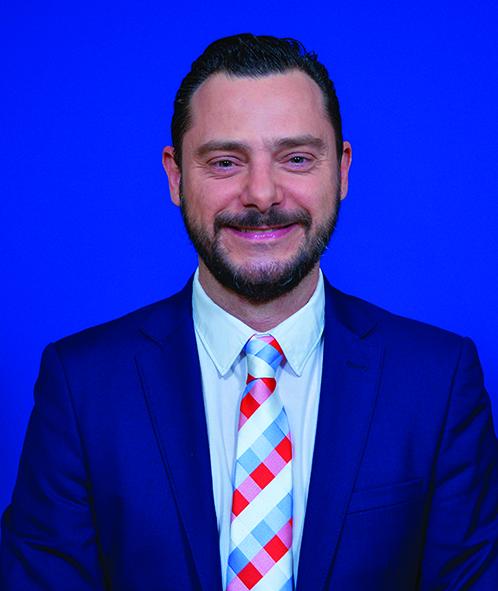
JJustin Schembri is the Nationalist Party’s spokesperson on education.