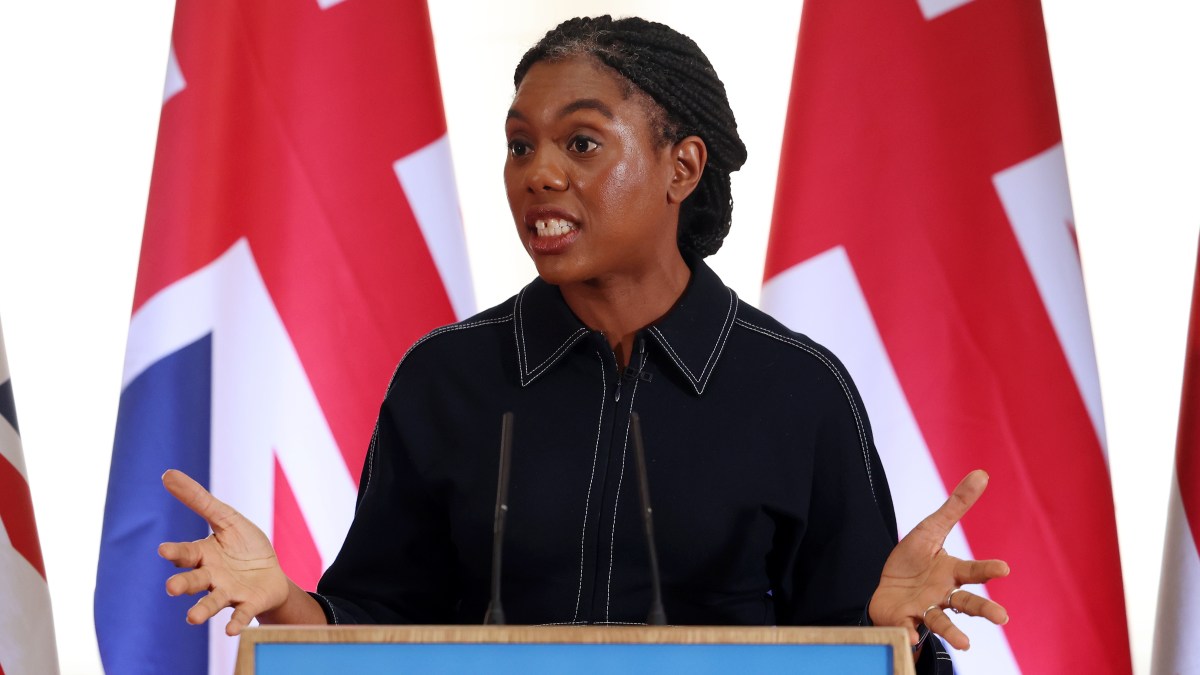
Kemi Badenoch will deliver a speech to clarify her immigration policy amid a growing split within her shadow cabinet over the party’s plans to deport migrants with settled status in the UK.
The Conservatives appear to have ditched a previous pledge to revoke settled status from migrants who arrived legally but who do not meet certain tests designed to show they are contributing to the economy and the public finances.
Chris Philp, the shadow home secretary, tabled draft legislation in May that would revoke indefinite leave to remain (ILR) from individuals who do not earn above £38,700 or those who have claimed benefits.
At present, migrants can apply for ILR — which allows foreign nationals to live, work and study in the UK permanently — after living in the UK for five years continuously.
The policy would have applied to anyone granted ILR who had not gone on to gain British citizenship.
However, Badenoch has been forced to soften the policy after a backlash from moderate Conservative MPs who had complained that it went too far.
James Cleverly, the shadow housing secretary, said that the proposals would not remove ILR from migrants who had already been granted it, telling Times Radio: “Retrospective changes are not what we are talking about as our policy.”
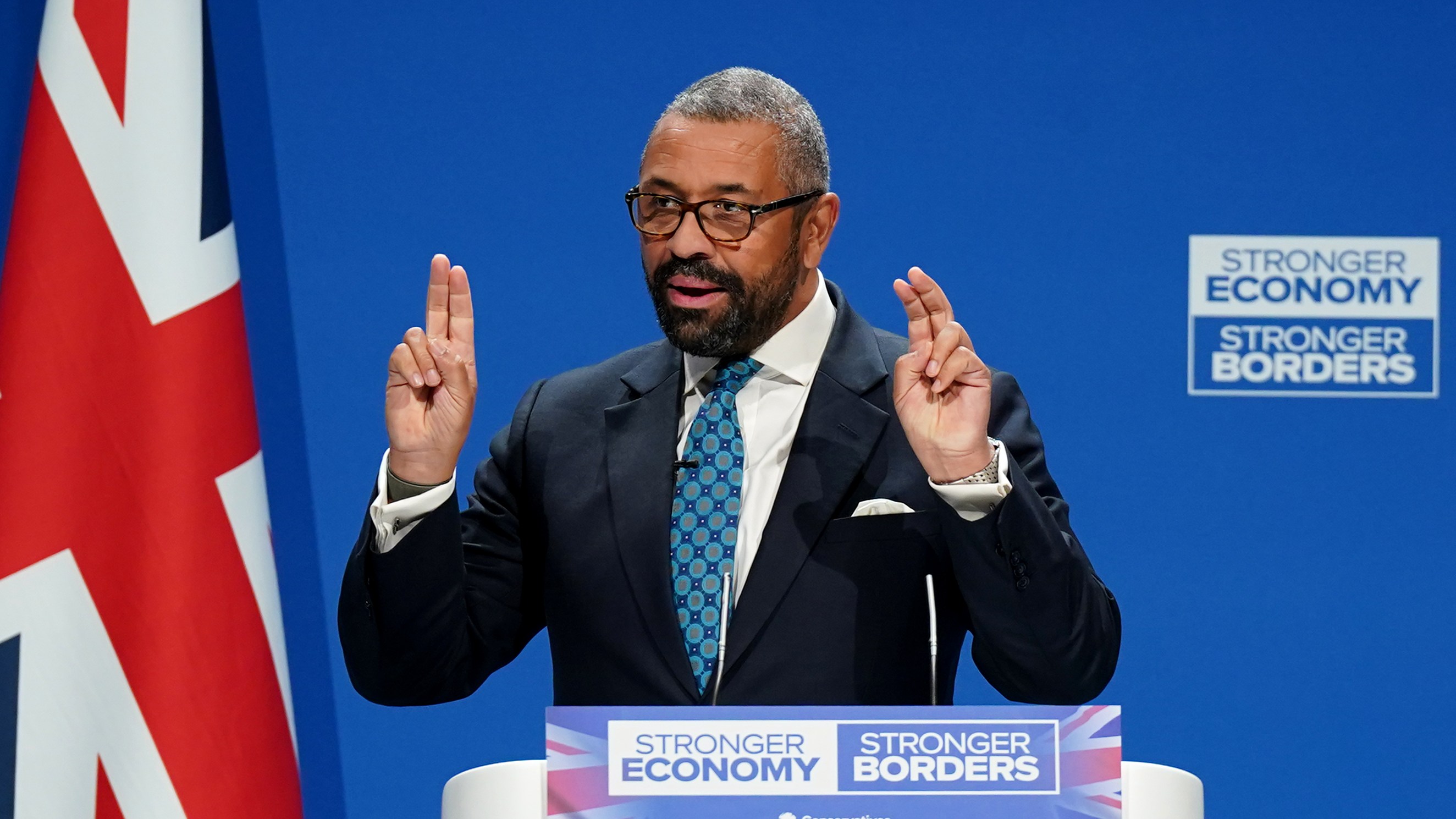
James Cleverly speaking at party conference
IAN FORSYTH/GETTY IMAGES
The backlash began last week after Katie Lam, a shadow Home Office minister, told The Sunday Times that the policy would allow a future Conservative government to remove foreign nationals who were not “culturally coherent” to the UK.
In the Sunday Times interview, she said: “There are also a large number of people in this country who came here legally, but in effect shouldn’t have been able to do so. It’s not the fault of the individuals who came here, they just shouldn’t have been able to do so. They will also need to go home. What that will leave is a mostly but not entirely culturally coherent group of people.”
After the backlash, which included several MPs complaining to the Conservative Party’s chief whip, Badenoch has assured colleagues that she will “clarify” the policy next month.
She told a meeting of her shadow cabinet on Wednesday evening that she would make a speech setting out the party’s immigration policy. After the meeting, Philp claimed that the policy had not changed.
However, he said the changes to ILR would only apply to migrants who had arrived since 2021. This differs from the draft legislation published in May, which did not set a starting date for when the policy would be applied from.
A Conservative Party source said: “What a shambles. This whole embarrassment could have been avoided if Chris had consulted colleagues beforehand.”
Anna Turley MP, chairwoman of the Labour Party, said: “This is a humiliation for the Tories; for Katie Lam and Chris Philp, who have been completely undermined and for Kemi Badenoch, who didn’t even appear to understand her own policy.
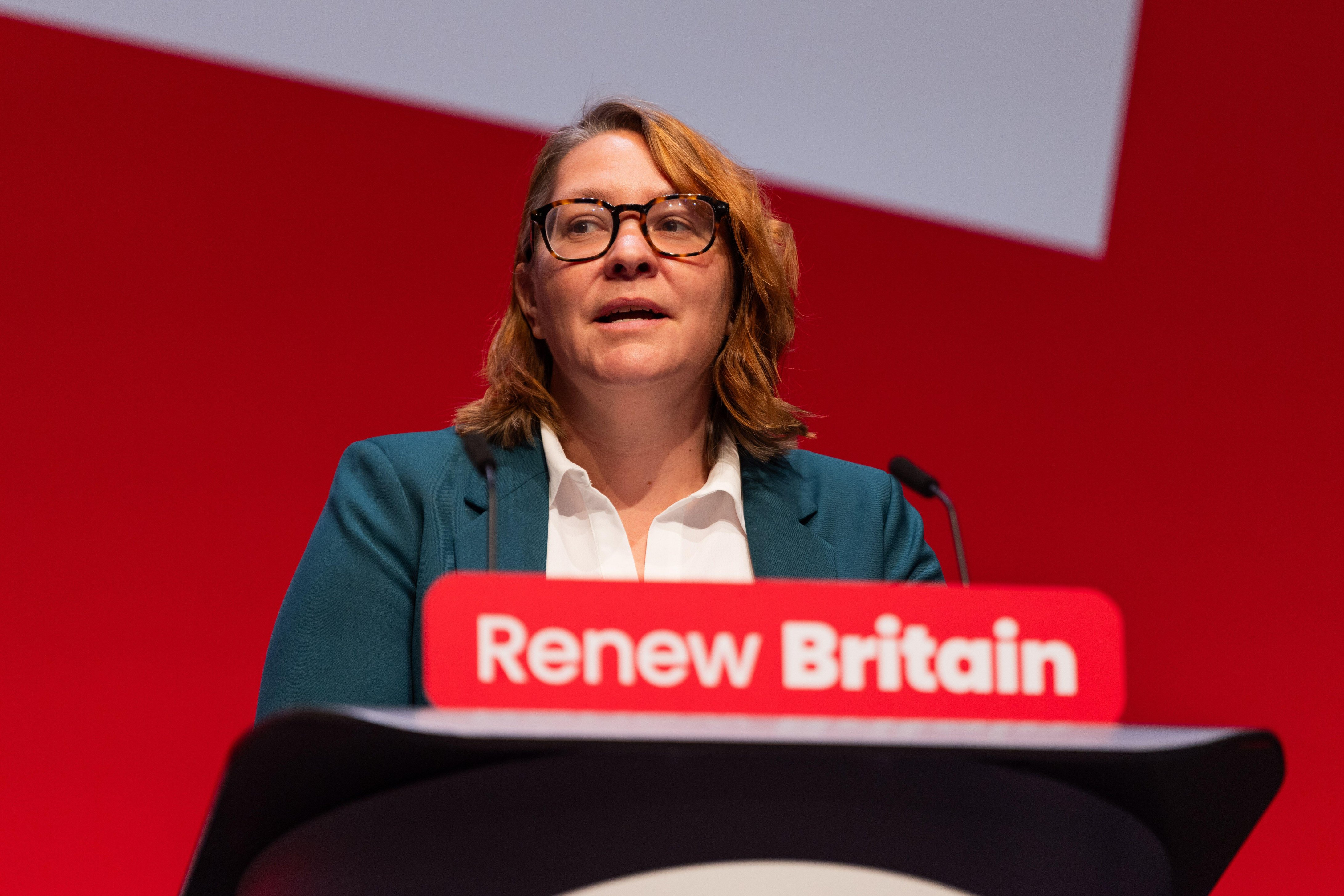
Anna Turley
MILO CHANDLER/ALAMY
“It’s still unclear what the Conservatives’ actual position is, but what is clear is that senior Tories continue to believe we should be deporting people who have played by the rules and settled here — our friends and neighbours and colleagues — based on so-called ‘cultural coherence’.
“If Katie Lam and Chris Philp can remain in post after this monumental failure of leadership and judgment, then you have to ask, how can anyone take the Conservative Party seriously?”
There also appeared to be splits in the party’s policy to withdraw from the European Convention on Human Rights (ECHR) after more than two dozen MPs, mainly from the moderate wing of the party, failed to turn up to vote in favour of a bill advocating withdrawal.
Nigel Farage, the leader of Reform UK, had forced a vote on draft legislation for the UK to leave the ECHR next April.

Nigel Farage
LEON NEAL/GETTY IMAGES
Farage told the Commons that leaving the ECHR was the “unfinished business” of Brexit. He said: “I believe that Brexit cannot be complete all the while we’re subject to a foreign court and, frankly, a piece of legislation brought in by the Blair government upon which judges can choose their own political interpretation.
“We are not sovereign all the while we are part of the ECHR, the European Council and its associated court. It’s as simple as that.”
MPs voted against the motion by 154 to 96, a majority of 58. Only 87 of the Conservative Party’s 119 MPs turned out to vote.