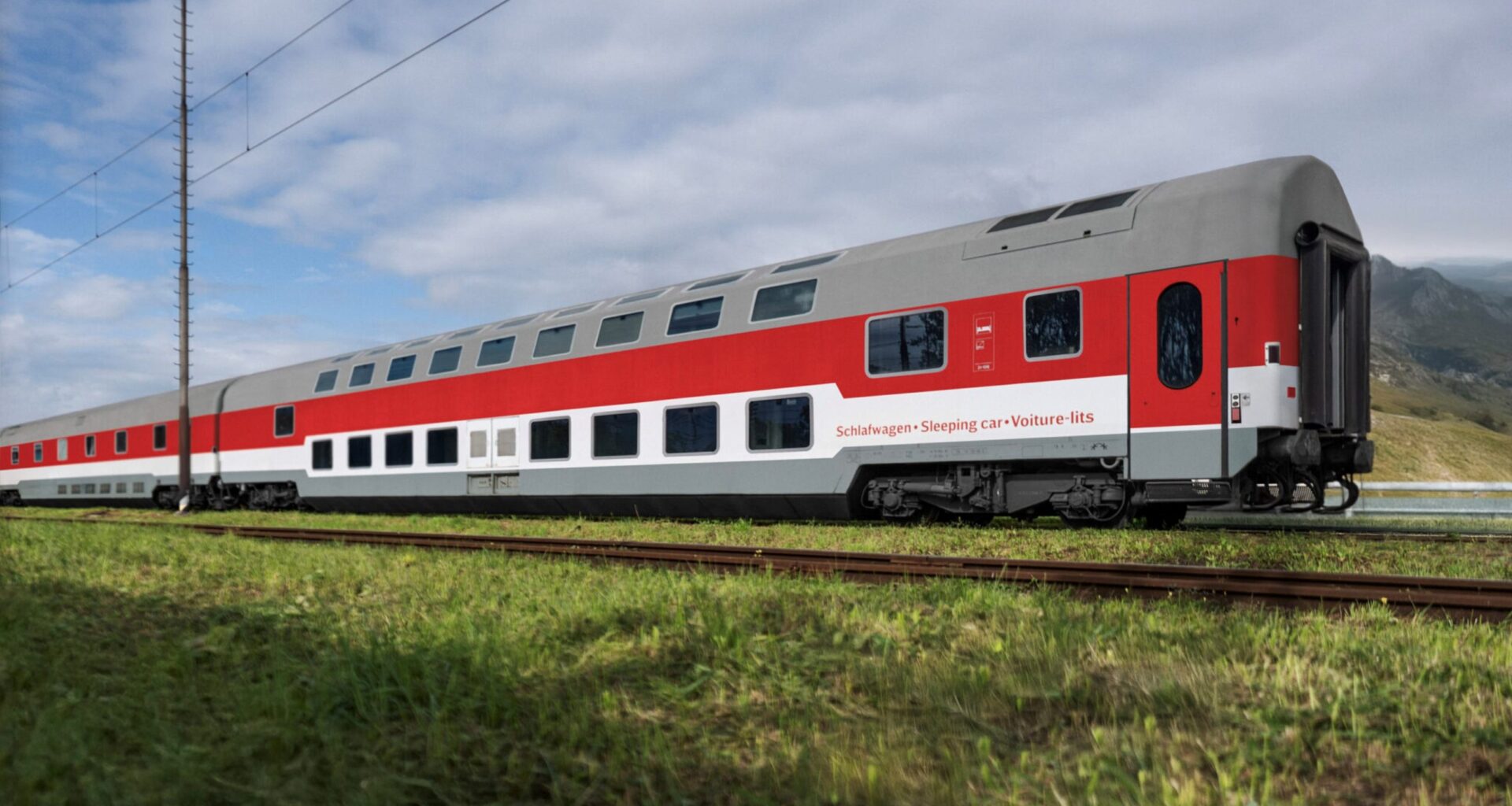
Slovak Railways (ZSSK) is preparing to renew part of its night train fleet to bring night travel up to 21st-century standards, offering passengers better services on longer routes while ensuring long-term sustainability.
Among the priorities is not only the refurbishment of the sleeping carriages but also the expansion of routes – for example, the planned extension of the Humenné – Bratislava service to Vienna.
At present, ZSSK operates 30 of its own sleeping cars, two-thirds of which were manufactured in the 1980s and lack air conditioning. The company plans to gradually withdraw these oldest carriages from service.
The renewal will be carried out through two separate public procurements – one for sleeping coaches and another for couchette cars. The tender for the modernisation of older daytime coaches into couchette cars has already been completed. The winner, ŽOS Trnava, has a contract prepared for the conversion of 10 carriages, with an option for a further 10 units.
In the case of sleeping cars, ZSSK is currently negotiating the price with the bidder, ŽOS Vrútky. Once negotiations are concluded, the project will be submitted, in accordance with current legislation, to the Value for Money Department for further assessment. This contract will also cover 10 carriages, with an option for an additional 14 units.
Contracts for both projects will be signed but will only take effect once financing is secured. As ZSSK currently lacks an appropriate mechanism for funding from EU sources, the company plans to cover the investments from its own resources, most likely through an investment loan.
The exact scope of the renewal will depend on market developments and actual demand. ZSSK expects to modernise at least 10 carriages. In the case of sleeping cars, price negotiations are ongoing, as the submitted bid was higher than ZSSK had originally anticipated. The capacity of one sleeping car will be at least 30 berths. A couchette car with 40 berths is expected to cost around EUR 1.8 million, corresponding to an average investment of EUR 45,000 per berth.
Slovak Railways is also preparing a new model for night-travel surcharges. At present, these stand at EUR 7 for a couchette and EUR 13 for a sleeping berth, which does not reflect the actual costs of providing the service, even with the current outdated rolling stock. The new pricing structure will take into account the technical standard of the service, the type of carriage, and operating costs.
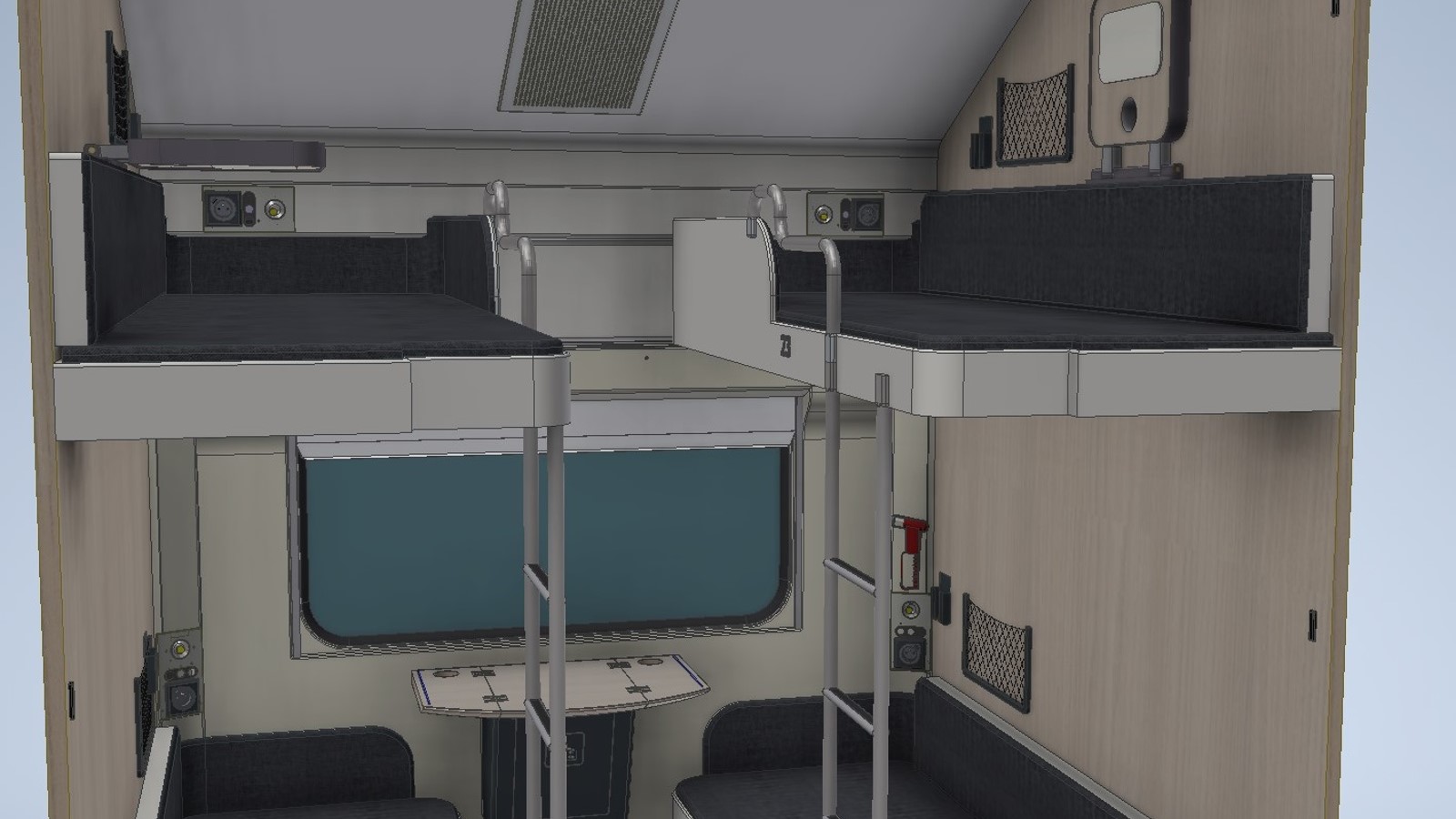
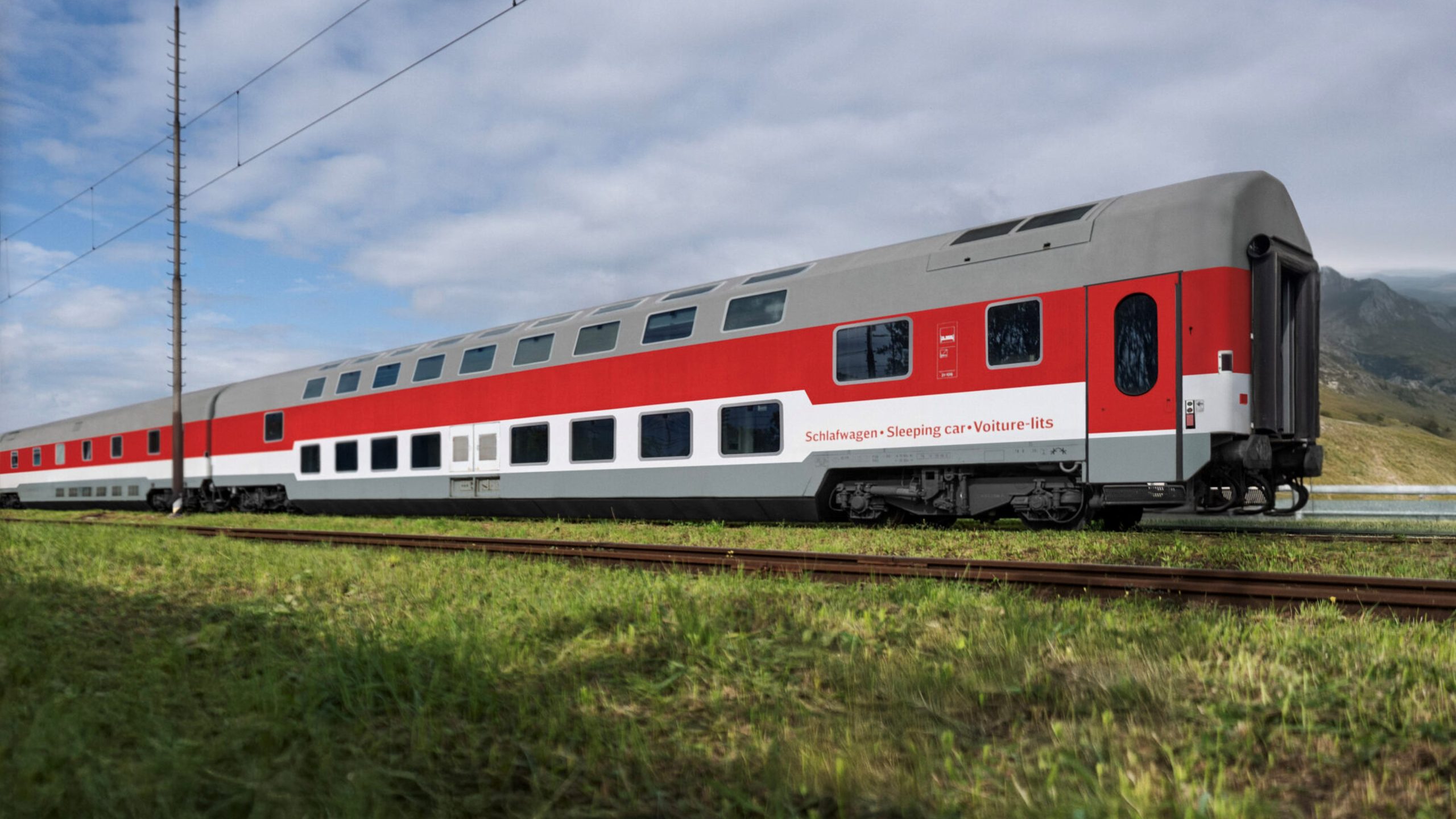
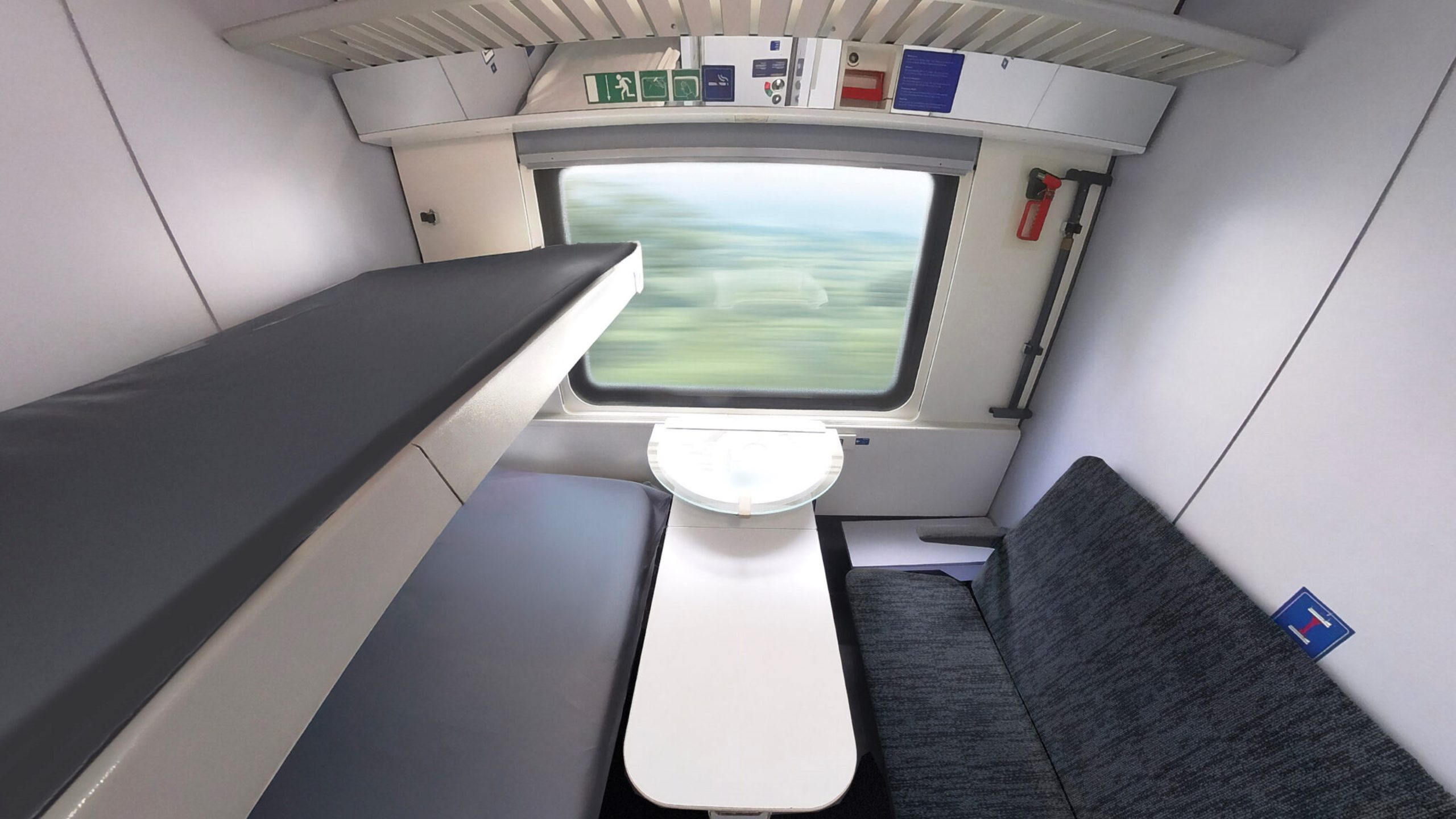
Couchette cars will be intended for basic overnight travel without individual amenities, while sleeping cars will offer a higher level of comfort. The difference lies in features such as the number and placement of washbasins, the availability of first-class compartments, and overall privacy. Sleeping cars will have a double-deck design, while couchette cars will be single-deck. The goal is to strike a balance between price and the value offered to passengers.
The first new carriages could enter service as early as 2026. At the same time, ZSSK is preparing further measures to make night transport more efficient, including optimising train formations and improving capacity utilisation. Given the current technical condition of the fleet and long-term underfunding, this investment aims to enhance the quality of the night train segment.
Currently, ZSSK operates its night train fleet on the routes Humenné – Bratislava and Humenné – Prague.
It is worth mentioning that in March, ZSSK launched a historic tender estimated at EUR 781 million for the procurement of new rolling stock.
Share on: 


