The deal represents a truce in the ongoing trade war between the two countries, but leaves many issues unresolved.
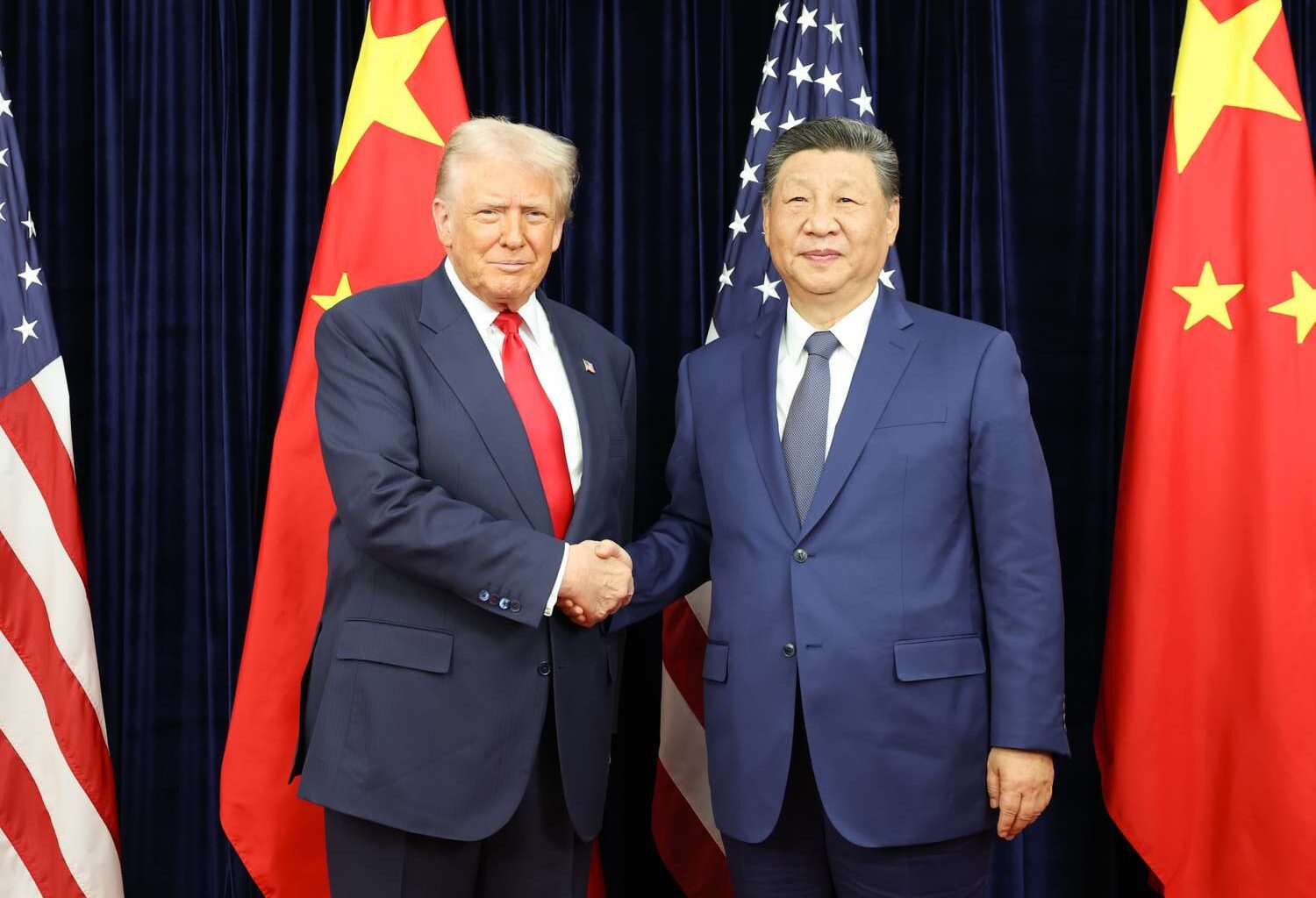
The agreement reached between President Donald Trump and his Chinese counterpart, Xi Jinping, de-escalates the trade war between the two countries, but leaves open the possibility that it could flare up again.
The deal amounted to a one-year truce between the world’s two largest economies, Trump told reporters on Air Force One Thursday on his flight home from South Korea, where he and Xi met.
China committed to resume purchasing American soybeans, which they had halted earlier in the year, and to hold back from restricting U.S. access to rare earth minerals crucial for the U.S. high-tech industry. They also agreed to take steps to crack down on fentanyl production, Trump said.
In return, the U.S. would refrain from imposing the additional 100% tariff on Chinese products Trump had threatened and reduce tariffs on China to 47%. It also gives China access to American computer chips used in AI.
“I thought it was an amazing meeting,” Trump said.
The one-year trade war truce between the U.S. and China simmers down a potentially destabilizing conflict, but leaves open the possibility of future flare-ups.
Specifically, China agreed to buy 12 million metric tons of soybeans this year and at least 25 million tons a year in 2026 and 2027, Agriculture Secretary Brooke Rollins posted on social media. China bought 26.8 million metric tons of soybeans from the U.S. in 2024, according to the Department of Agriculture.
Aside from that, few details of the deal had been released as of Thursday afternoon. Trump said he would meet with Xi again in April, setting the stage for further talks.
If both sides stick to the deal, it would amount to a freeze in the tit-for-tat trade restrictions each side has imposed on one another recently. However, it would leave major issues unresolved, including the fate of Chinese-owned social media app TikTok, the independence of Taiwan, and “transshipment,” or China evading U.S. tariffs by first shipping products to other countries.
“Progress in U.S.-China trade talks today marks an undeniably positive step toward temporarily stabilizing a structurally fractious relationship even as key flashpoints … remain unresolved,” Louise Loo, head of Asia economics at Oxford Economics, wrote in a commentary.
The provisions of the deal “just get us back to where we were before the U.S.-China trade wars of the spring,” Josh Lipsky, chair of international economics at the Atlantic Council think tank, said in a blog post. “China still faces higher tariffs than it did when Trump came into office.”
Reed and other experts noted that China was able to leverage its dominance of rare earth minerals to extract concessions from the U.S. and predicted that it would likely do so again in the future.