Published on
October 31, 2025

Australia has expanded its travel advisories due to increasing regional unrest and geopolitical tensions around the world. In the most recent update, the government has included Russia, Sudan, Mali, Afghanistan, Venezuela, Syria, and Somalia in the list of countries to which travel is banned for Australians. The advisory is a response to the increasing prevalence of unstable government, unpredictable circumstances, and extreme tensions which lead to the closure of air routes, borders, and basic services which renders travel to these areas risky and highly unpredictable.
Australia has expanded its strictest travel warnings, urging citizens to avoid visiting multiple regions across the world as instability, political unrest and unpredictable security conditions intensify. The latest advisory highlights Russia, Sudan, Mali, Afghanistan, Venezuela, Syria and Somalia, placing them among the most dangerous destinations for Australian travellers. Authorities stress that Australians should not visit these nations under any circumstance, and those currently within their borders should leave immediately if safe options exist.
Russia: Heightened Tensions and Arbitrary Detentions
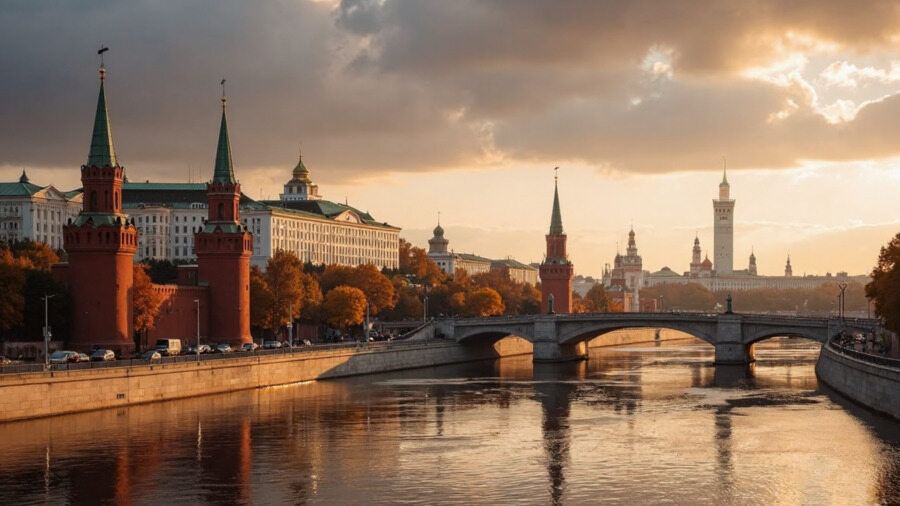
Australia continues to strongly advise against all travel to Russia, citing a serious deterioration in diplomatic and security conditions. The government warns that foreigners, including Australians, could face arbitrary arrest or detention as Russian authorities have increasingly viewed nations such as Australia as “unfriendly.”
Military operations and heightened alert levels persist near the border with Ukraine, where a federal state of emergency remains in effect. The advisory highlights that departure routes can close suddenly, and travellers could find themselves stranded without notice. Australians are urged to leave immediately using available commercial flights and to maintain multiple exit strategies.
The government further warns that unexpected security incidents, including explosions and drone strikes in parts of southern and western Russia, have caused widespread travel disruption, particularly in Moscow, St. Petersburg, and Kazan. Australians are advised to avoid demonstrations, remain discreet on social media, and refrain from commenting on political developments.
Sudan: Widespread Instability and Collapsed Services
The situation in Sudan remains dire, prompting a “Do Not Travel” advisory due to the ongoing conflict that has engulfed much of the country. With Khartoum International Airport closed, the only potential departure routes for Australians are through Port Sudan or Port Suakin, though these too may close without warning.
A prolonged civil war has resulted in the breakdown of law and order, displacing millions and leaving critical services in ruins. Electricity, water, telecommunications, and healthcare are largely unavailable. The government reports that many hospitals have ceased operations and food supplies remain scarce.
For Australians who remain, the government urges extreme caution and preparedness to shelter in place for extended periods. Those attempting overland evacuation to neighbouring countries such as Egypt must confirm entry and visa requirements well in advance. The overall tone of the advisory underscores that departure is strongly recommended wherever possible.
Mali: Persistent Unrest and Unpredictable Conditions
Mali is another nation facing a complete travel ban from Australia’s latest advisory. The country’s unstable environment and unpredictable security conditions make travel extremely hazardous. Australians are urged to leave via Bamako’s international airport while commercial flights are still available.
The government highlights that Mali’s ongoing political volatility and regional tensions continue to disrupt normal life. There have been reports of fuel shortages, public unrest, and prolonged interruptions to transport and essential services. Foreign nationals and business operations, particularly in the mining sector, are exposed to increased scrutiny and uncertainty.
Australians are reminded that the government does not have an embassy in Mali, and consular assistance is extremely limited. Should any incident occur, immediate support from Australian authorities would not be possible.
Afghanistan: A Nation Under Constant Uncertainty
The advisory on Afghanistan remains among Australia’s most severe. The country continues to face dangerous conditions following years of instability. The government notes that Afghanistan is under the control of armed groups, and that the situation in the capital, Kabul, as well as in other provinces, remains unpredictable.
The Australian Embassy in Kabul is closed, leaving citizens with virtually no access to official help or documentation services. Travellers have been warned that all journeys throughout Afghanistan carry significant risk, with checkpoints and restrictions imposed across most roads. Internet and communications systems can fail without warning, isolating individuals for long stretches of time.
Australians still present in the country are advised to avoid all movement and remain sheltered in secure locations until safe evacuation becomes possible. Air travel is highly uncertain and could be disrupted without notice due to regional tension or airport closures.
Venezuela: Political Unrest and Resource Shortages
The situation in Venezuela continues to deteriorate amid ongoing economic and political strain. The Australian Government lists Venezuela among the countries under a “Do Not Travel” warning due to widespread shortages of essential goods and the absence of reliable governance structures.
Public protests and demonstrations occur frequently and can escalate quickly, disrupting flights and urban transport systems. Travellers are warned to avoid large gatherings and to monitor local media closely. Essential supplies such as food, medicine, fuel, and even potable water are difficult to obtain, particularly in and around Caracas.
Foreign visitors, including dual nationals, have reported being detained without due legal process. The government emphasizes that Australians may not be granted access to legal representation if detained, and consular support cannot be guaranteed.
Australians currently in Venezuela are advised to depart immediately while commercial routes remain open and to exercise extreme caution in any public area.
Syria: Ongoing Conflicts and Unstable Borders
The advisory for Syria remains unchanged, maintaining the highest level of warning due to the ongoing armed conflict. The government cautions that no part of Syria is considered safe for travel. Civilian casualties remain high as armed clashes persist in several regions, while foreign air operations continue to target locations across the country.
Australians are urged to shelter in place and leave when it is safe to do so. With the situation in the broader Middle East remaining unpredictable, the government warns that any escalation in regional tension could quickly lead to airspace closures and flight cancellations.
Border crossings, particularly with Lebanon, are vulnerable to sudden closures or armed incidents. Those considering travel through these routes must confirm entry requirements and monitor media reports closely. The advisory clearly underscores that Australians should not attempt to enter or transit through Syria under any circumstance.
Somalia: Constant Instability and Limited Assistance
Somalia also remains under a strict “Do Not Travel” warning. The advisory outlines the continuing instability that has made day-to-day life uncertain, with widespread disruption of services and limited communication infrastructure.
Australians in Somalia are urged to leave immediately and, if staying, to obtain professional security guidance. The government stresses that Australia has no embassy or official representation in Somalia, meaning consular assistance is practically unavailable.
Maritime travel around the Somali coast, the Gulf of Aden, and parts of the Indian Ocean is discouraged due to the ongoing threat of piracy. Shipping lanes off Somalia’s coast remain unpredictable, and vessels have been attacked even hundreds of kilometres offshore.
The advisory also reiterates that unpredictability remains high, with frequent changes to travel conditions and access restrictions. Travellers are urged not to visit under any circumstances.
Australia’s Broader Message to Travellers
Through these updated advisories, the Australian Government underscores a larger message: global conditions are volatile, and travel to certain regions carries profound risks beyond the government’s capacity to mitigate. The tone of these warnings reflects a growing emphasis on personal responsibility and preparedness.
The common pattern across these nations—whether due to prolonged conflicts, political uncertainty, or fragile infrastructure—shows that Australians travelling abroad must be aware that assistance may be severely limited or unavailable in times of crisis.
Officials urge travellers to stay informed through Smartraveller, the government’s official platform for travel updates, and to register their details when entering any region where conditions are unstable. They also advise maintaining digital and hard copies of essential travel documents, keeping family informed of movements, and ensuring that travel insurance covers unexpected evacuation or extended sheltering periods.
A Global Climate of Caution
The expansion of Australia’s strictest travel warnings comes at a time of heightened unease in several parts of the world. While each country listed faces its own set of challenges, the broader picture points to a period of growing global uncertainty. For Australians, the message is clear: exercise the highest caution, reconsider non-essential travel, and stay informed about the rapidly evolving global landscape.
In response to growing regional unrest and instability, Australia has issued a new travel advisory and categorized Russia, Sudan, Mali, Afghanistan, Venezuela, Syria, and Somalia as unsafe to travel to due to unpredictable conditions and unavailable services.
Australia’s travel advisories for Russia, Sudan, Mali, Afghanistan, Venezuela, Syria, Somalia, and other affected nations serve as a sobering reminder of how unpredictable the world has become. With airlines, borders, and infrastructure vulnerable to disruption at any moment, the government’s stance reinforces that the safety of its citizens comes before all else.
