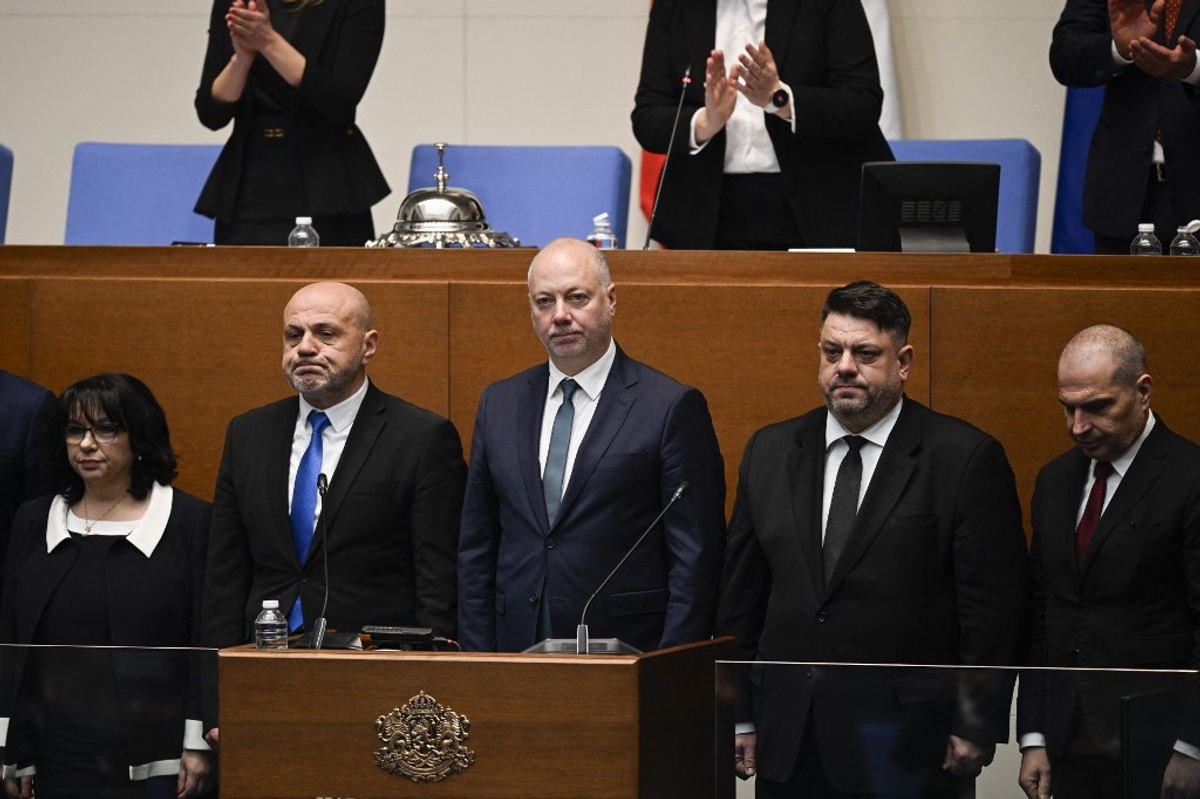
Bulgaria temporarily restricted petroleum exports on Friday in response to US sanctions on Russian gas giants Rosneft and Lukoil. The restrictions apply to the export of all petroleum products, including to other EU member states.
The Bulgarian parliamentarians sponsoring the bill said that the measure was being taken to address “the need to guarantee the country’s energy security and the stability of the domestic fuel market,” as per AFP.
Follow our coverage of the war on the @Kyivpost_official.
The US sanctions, which followed UK sanctions a week previous, represent the first major US sanctions against Russia since US President Donald Trump returned to power.
Trump’s administration justified the move in terms of Russian President Vladimir Putin’s “refusal to end this senseless war.”
Despite Putin’s assurance that they would not “significantly impact” Russia’s economy, Lukoil – which operates Bulgaria’s largest oil refinery – announced plans to sell its international assets earlier this week.
Among its other foreign assets, which make up a roughly a third of its overall operations, are stakes in Iraqi, Kazakh, and Azeri projects, as well as full ownership of another oil refinery in Romania, as per The Moscow Times. Lukoil also sells oil to Slovakia and Hungary.
Chinese state oil companies also reportedly suspended the purchasing of Russian crude oil last week in response to the sanctions, as per Reuters.

Other Topics of Interest
Let There Be Light: Ukraine’s Battle to Keep the Power Flowing in Time of War
Ukraine’s ability to repair infrastructure and keep the lights on has been one of its standout achievements of the war so far.
135 Bulgarian lawmakers voted in favour of the motion, while four voted against and 42 abstained.
There are some exemptions to the restrictions – notably, where petroleum exports are necessary for Bulgaria to fulfil its defense obligations to NATO and EU allies. Other exceptions can be made on an ad hoc basis with parliamentary approval.