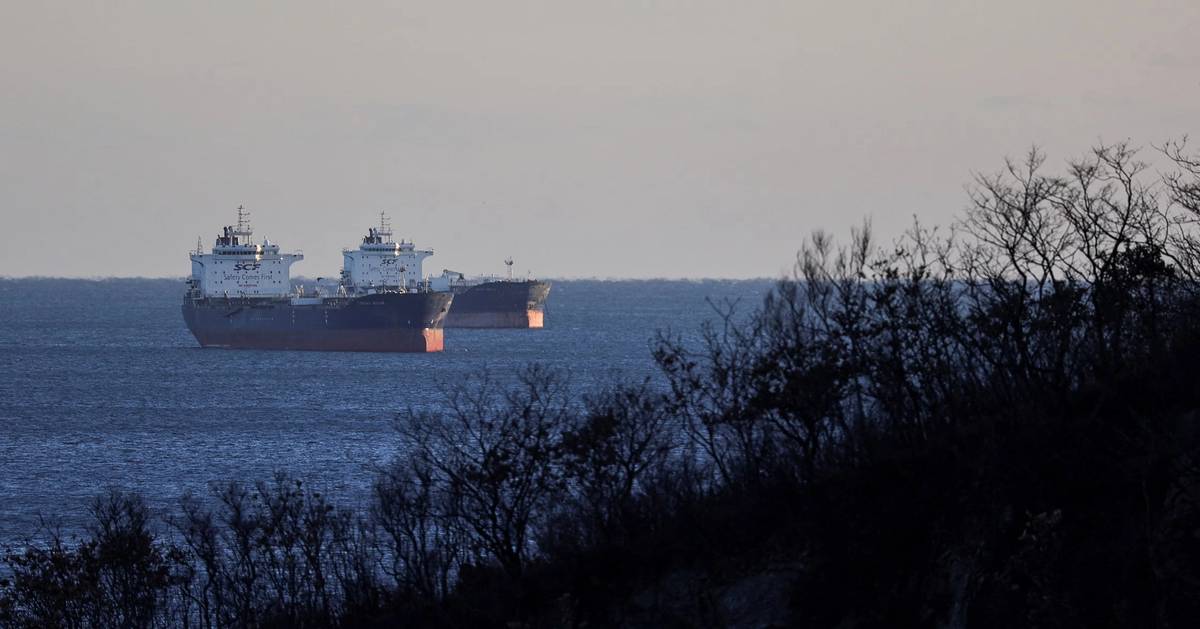
“Through the sanctions that we’ve had around the world, an enormous amount of oil is stuck and dislocated,” Torbjorn Tornqvist, Gunvor’s chief executive, told the ADIPEC energy conference in Abu Dhabi.
“This is unprecedented, the size of that. Therefore, obviously, if all sanctions would disappear, this market would clearly be quite oversupplied,” he added.
The European Union, United Kingdom and the United States have imposed sweeping sanctions on Moscow since its invasion of Ukraine, including new US measures last month targeting Rosneft and Lukoil, Russia’s two biggest oil producers.
Washington and its allies have also maintained restrictions on Iran’s crude exports over its nuclear program and regional activities.
Traders and analysts say the curbs have redrawn global energy flows, forcing sanctioned crude onto “dark fleet” tankers and into longer, less transparent routes that keep large volumes in transit or storage.
Tornqvist said that while the market remains tight on paper, the hidden inventory floating offshore represents a “buffer” that could quickly weigh on prices if restrictions were eased.
“Effectively, we have a shadow market operating alongside the official one,” he said, noting that the structure of the global oil trade has become more fragmented and less efficient as a result of sanctions.
Oil prices have traded in a narrow range in recent weeks, with Brent crude hovering around $84 per barrel as investors weigh supply risks from the Middle East and the lingering impact of Western sanctions on sanctioned producers.