06
Nov 2025
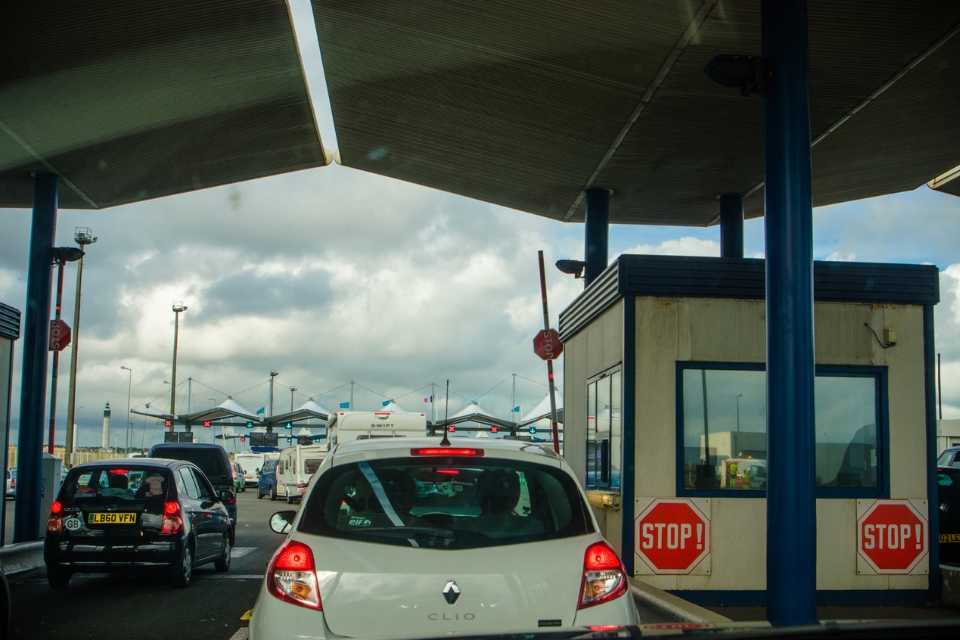
Britain’s Port of Dover has paused the launch of the EU’s new biometric border system for car passengers after French authorities held back approval on November 1.
The delay means that tourists will have to wait longer for the fingerprint and photo checks designed to tighten security across Europe.
French decision halts Dover rollout
The new EU Entry/Exit System (EES), meant to record biometric data for travelers entering the bloc, was due to begin for car passengers at Britain’s Port of Dover on November 1.
However, officials said that the plan was “paused” after French border authorities withheld approval for the launch.
Doug Bannister, the port’s chief executive, said Dover’s facilities were ready, but activation depended on French clearance. “Whilst Port of Dover’s facilities will be ready for [November 1], we are being guided by French authorities as to when we will activate,” he said.
What the new system does
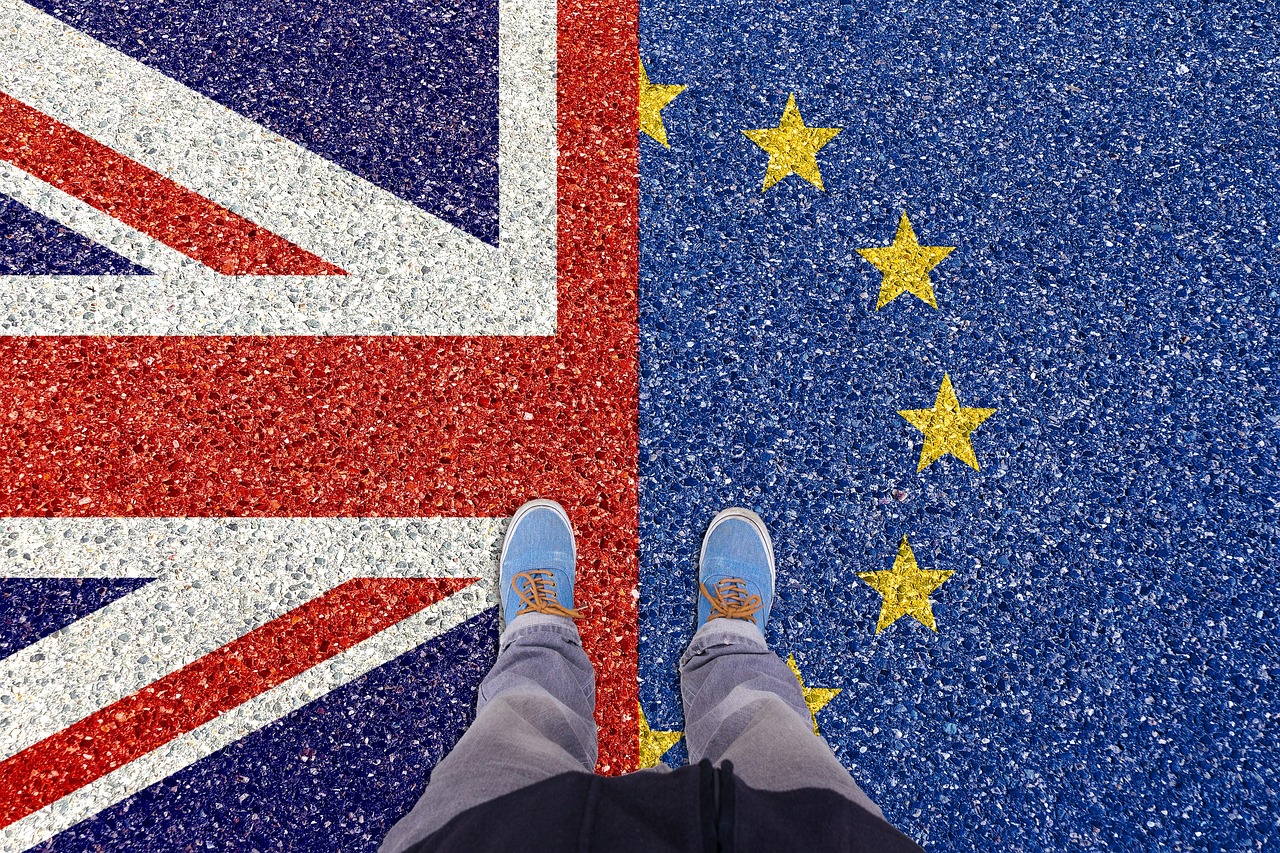
The EES is a digital border system requiring non-EU citizens—including British travelers—to register fingerprints and a facial photograph when entering the Schengen zone.
The move is part of an EU-wide plan to tighten security and replace manual passport stamping.
Ferry passengers on coaches have already started using the system, and freight vehicles began checks on October 12. Private car passengers were expected to follow this weekend before the rollout was delayed.
(Image courtesy of Pete Linforth via Pixabay)
Longer wait times expected
Port officials have warned that border processing could take up to six times longer once the new checks are introduced.
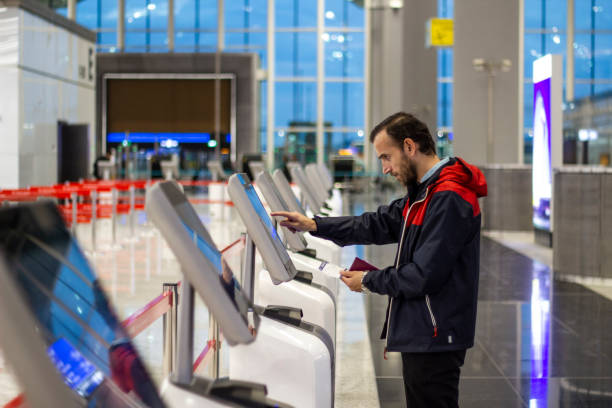
Currently, it takes about one minute to process each car, but the new system requires travelers to step out of their vehicles to complete registration at electronic kiosks.
Dover has requested at least two weeks’ notice before any new start date to give time for signage installation and traveler updates.
Why the delay matters
The decision to postpone comes amid ongoing concerns about congestion and travel disruption at Britain’s main gateway to continental Europe.
Dover has previously experienced long queues during peak travel periods, including post-Brexit changes to border procedures.
Industry groups have also criticized the lack of clarity around the system’s phased rollout. The European tourism association ETOA called the process a “complete muddle,” citing confusion among travelers and transport operators.
(Image courtesy of undefined via iStock)
Wider EU rollout still underway
The EU has said the EES will continue to be introduced gradually across other member states over the next six months.
The system will affect travelers using major routes such as the Eurotunnel at Folkestone and the Eurostar terminal at London St. Pancras, where biometric checks will take place before departure.
Despite the delay in Dover, French and EU authorities maintain that the system is essential for strengthening border control and tracking entry and exit records across the Schengen zone.
Travel plans, visa in balance
The pause at Dover adds another layer of uncertainty for visitors planning trips to Europe in the next year.
Short-term travelers — including tourists and business visitors — will not yet face the new biometric checks at the UK’s main ferry port.
However, they will still need to prepare for tighter border rules once both the EES and the European Travel Information and Authorization System (ETIAS) go live.
ETIAS, set to start in late 2026, will require citizens from 59 visa-free countries to apply online before traveling to 30 European states.
For now, the delay gives both tourists and border staff more time to adjust before two major digital systems — EES and ETIAS — reshape how visitors enter the Schengen zone.
For long-term residents and migrants, the impact is smaller. Those with work or study visas will continue to use existing permit systems.
But future visa applications could face stricter digital screening once ETIAS and EES are fully linked to immigration databases across the EU.
Brexit, border changes
When the EES was first developed, the United Kingdom was still part of the European Union, meaning British citizens were not originally expected to be subject to these checks.
Following Brexit, however, the UK became a “third country,” placing its citizens under the same rules as other non-EU nationals.
Port officials said that they remain in close contact with French and EU partners to finalize a new start date. In the meantime, existing travel procedures at Dover will continue unchanged.