Unlock the Editor’s Digest for free
Roula Khalaf, Editor of the FT, selects her favourite stories in this weekly newsletter.
Germany has taken the first steps towards stripping a top Dutch shipyard of its role in a beleaguered multibillion-euro warship project that has been plagued by delays and spiralling costs.
The country’s military procurement agency on Thursday finalised a memorandum of understanding with Damen — the largest shipbuilder in the Netherlands — after two weeks of talks over its contract to build six new frigates for the German navy, according to two people familiar with the matter.
Under the agreement, Damen will help the German shipyard Naval Vessels Lürssen (NVL) — which is set to be bought by Düsseldorf-based arms giant Rheinmetall, pending regulatory approval — with a six-month period of due diligence. NVL will then decide whether it wants to take over as lead contractor on the project.
A spokesperson for German defence minister Boris Pistorius confirmed the agreement, which he said would “form the basis for evaluating a potential takeover of the construction contract by NVL as the new [main] contractor”.
He added: “While these discussions are ongoing, work on the project will continue under strict conditions and parliamentary oversight by the budget committee of the German Bundestag.”
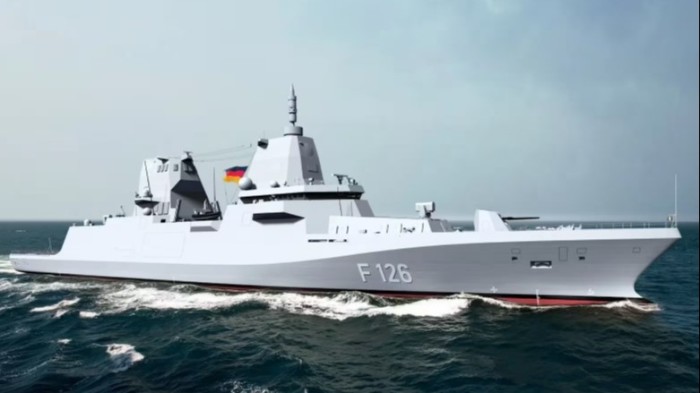
Pistorius has faced mounting pressure over the F126 frigate, which at 166 metres long would be the largest warship to be built by the country since the second world war.
Damen and its subcontractors have not been paid for months after German MPs blocked payments totalling about €670mn this year when the company failed to meet milestones agreed as part of its original contract.
The shipyard, which traces its origins to 1875, came close to bankruptcy this year, forcing it to seek a €270mn bridging loan from the Netherlands government.
The company has faced heavy pressure from German procurement officials to agree to step back from its lead role on the F126, according to a third person familiar with the project.
“They put a lot of pressure on Damen and said you’re either going to do this [deal] or you’re going bankrupt,” the person said.
Under the terms of this week’s agreement, which must be approved by German MPs, Damen will receive several hundred million euros to compensate it and its suppliers for work that has already been done, according to one of the people.
Germany’s finance ministry has asked the Bundestag’s budget committee to unfreeze an initial €33mn next week to help pay Damen’s outstanding invoices.
The F126 is intended to replace Germany’s ageing fleet of F123 frigates. With a potential crew of 198 people, the vessel is designed to remain at sea for up to two years, with the aim of conducting maritime surveillance, enforcing embargoes, supporting special forces and conducting evacuation operations.
The project was put out to a Europe-wide tender in 2015, when Ursula von der Leyen — now president of the European Commission — was German defence minister.
After a five-year bidding process, Berlin decided to award the deal to Damen, triggering outrage among the German naval industry. The company agreed to the actual shipbuilding work being carried out in Germany through a partnership with the Hamburg-based Blohm+Voss, which was later acquired by NVL. The design was to be led from the Netherlands.
The government originally ordered four of the ships, with a planned cost of about €5bn, making it Germany’s largest naval procurement project since the second world war.
Actual construction of the vessels began at the end of 2023, and the following year Pistorius placed an order for two additional ships. Together with the growing costs from the previous order, that brought the total cost of the project to at least €8.5bn, according to one of the people familiar with the contract details.
German media outlets including Der Spiegel have claimed that the figure could be as high as €10bn.
Damen suffered technical problems with its design software as well as challenges in dealing with the complex specifications and lengthy certification process mandated by Germany’s procurement agency.
The first ship had been due to be delivered in 2028, but the programme is now at least two years behind schedule. Pistorius has spoken of a delay “of at least 40 months caused by Dutch industry”. He has emphasised the need to find a solution to avoid taxpayers’ money being wasted.
It remains unclear whether NVL will ultimately decide to take over the large and complex project — and what kind of deal it could strike with the German government.
Recommended

Speaking in a call with analysts on Thursday, Rheinmetall chief executive Armin Papperger stressed that his deal to buy NVL was not complete and was still pending regulatory approval.
But he added that if the acquisition was approved, Rheinmetall would help Berlin make the F126 “a successful programme”.
Damen and NVL declined to comment. A spokesperson for Germany’s defence procurement agency declined to comment.