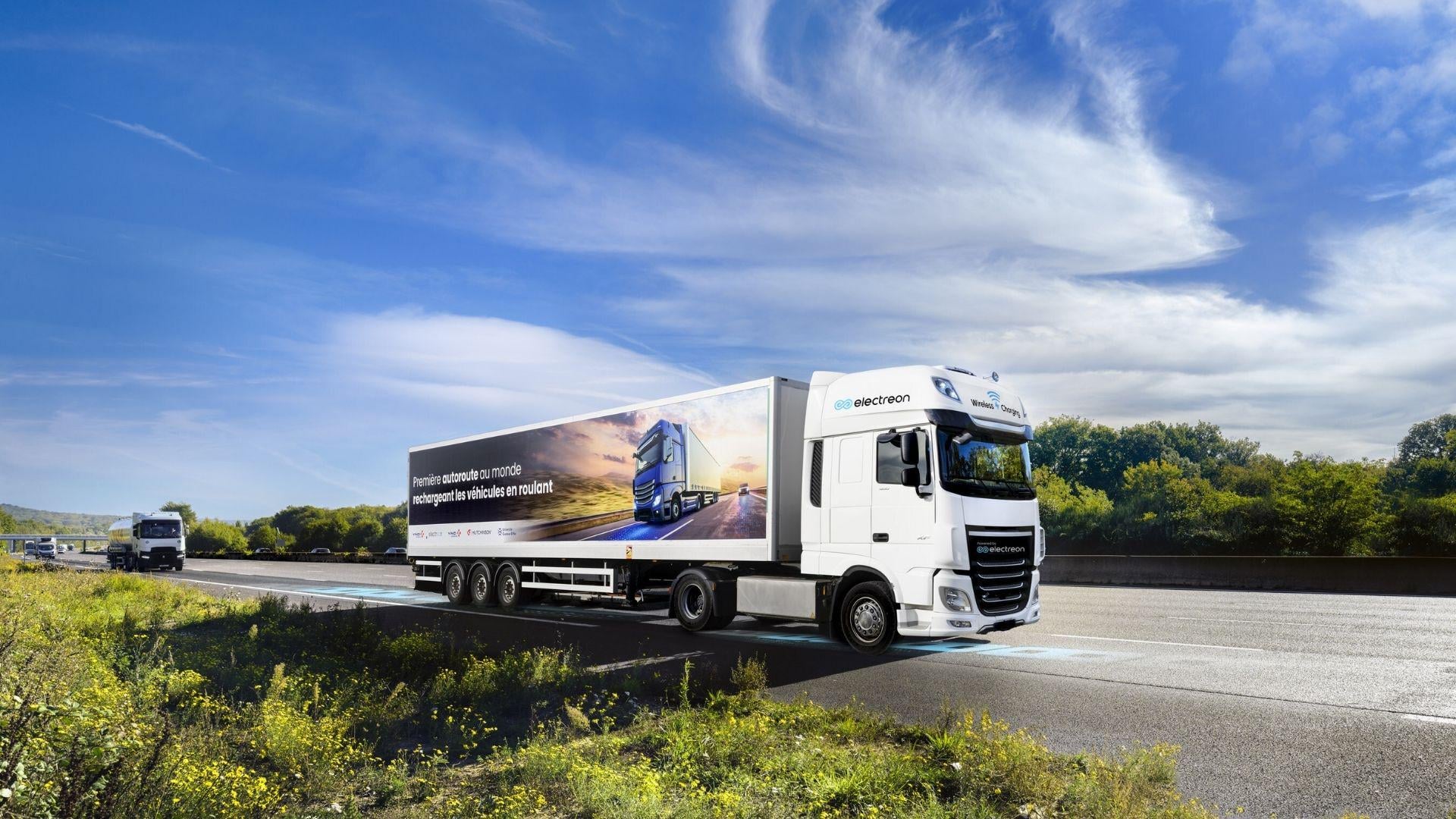
How electric roads could shrink EV batteries and transform transport forever
https://interestingengineering.com/innovation/electric-roads-explained
by Sackim05
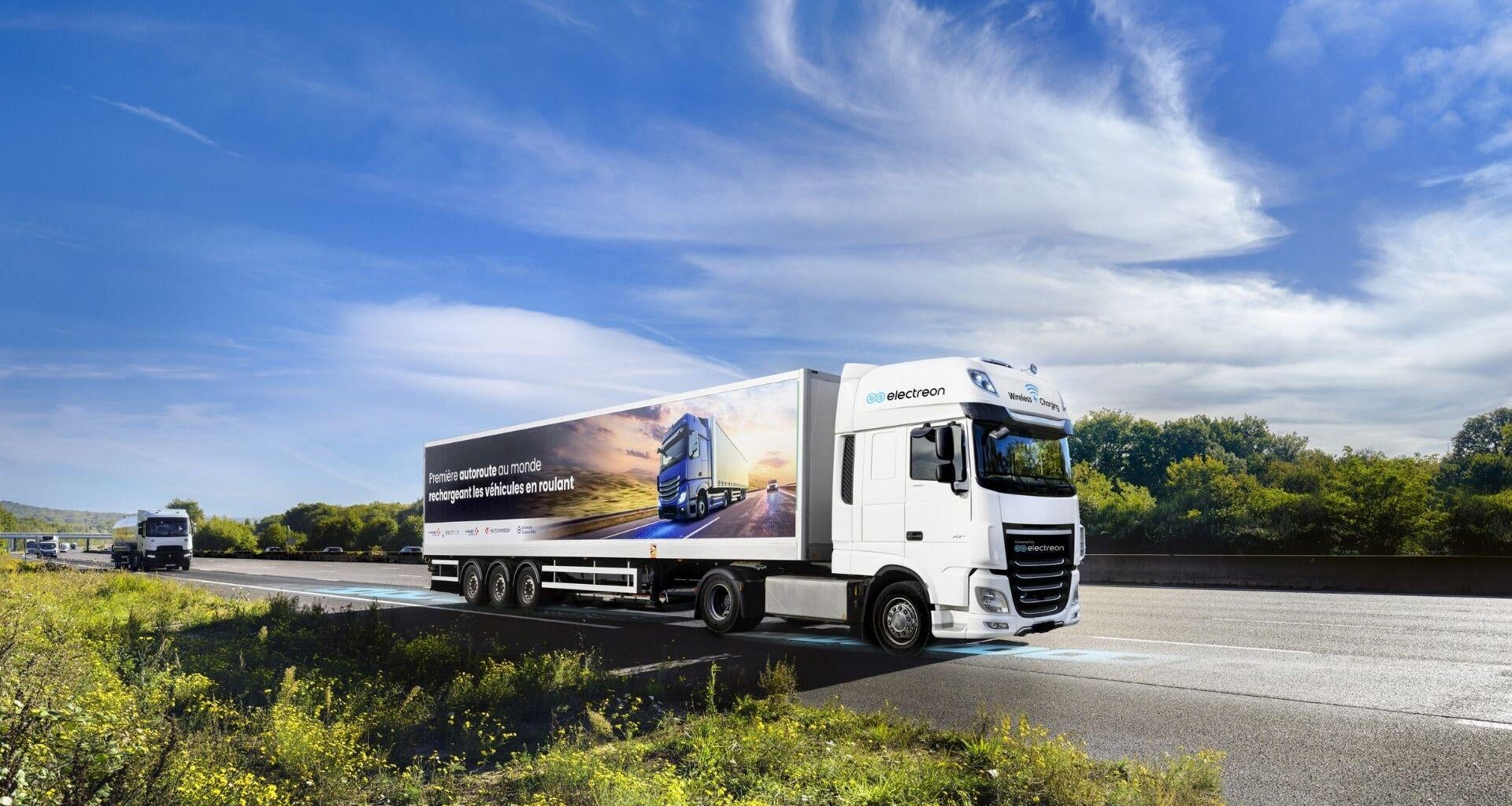
How electric roads could shrink EV batteries and transform transport forever
https://interestingengineering.com/innovation/electric-roads-explained
by Sackim05
13 comments
Another day, another refusal to just hang wires.
Induction charging is inefficient for small devices, what makes you think it’s going to be any different for something like a passenger car or, God forbid, a fully loaded rig?
You’d be better off just hanging catenary and bolting a pantograph on a tractor.
Doesnt really cover how it got enough power over wireless – and in some aeas, didnt cover how the wear and tear could cause problems over time. Could work if its wireless, but you are also wasting a lot of power trying to hit a moving target as well, so who pays for that? Transport or the interstates for example in the US? I also dont think you would recover much power over wireless – while it might shrink the over all battery, you still will need the battery to do most of the work.
Or we could use trains and busses
We have wireless charging for cellphones and electric toothbrushes, why not cars! lol. Seriously though, I’m down for more funding into this. Where’s Nikola Tesla’s research when you need it? Govt vault, I know.
Americans be like: $100B for a new rail line 😵❌
$100T to make electric highways and everyone needs to own a $75k car 😄✅
Interstates are $2M per lane mile already. Care to increase the usage taxes to cover this kind of stuff? Maybe $4 per mile? Or just stop at a charger now and again?
Problem with electronic roads, anyone not wearing rubber soles is at risk of electric shock.
Now having something like induction charging in parking spots, that might work.
How about we keep our bridges from crumbling lol.
Well, this is one way to waste a tremendous amount of electricity through wireless losses. Anything to not build more trains, right?
Let’s do it already !!!
Yeah, I too think this idea was stupid ten or fifteen years ago and still is. Electric trains or partially electrified track with batteries too, or swapable battery carriages with standard locomotives are all good ideas.
We already have the range problem solved, today, on big roads and interstates in the US, and the process of installing new chargers, and finally getting the non-Tesla chargers up to standard is proceeding. Electric trucks can be setup to charge at the distribution centers or truck stops. The latest Tesla Semi has about 500 miles of range, and I think the other brands are comparable.
But more widely, nearly all plans to build big integrated systems are more expensive and less flexible, slower, clumsier, more prone to politics, than distributed systems. The exceptions are systems where there is little-to-no choice like the energy grid. (arguably we could make it too, must more distributed, but the grid itself is required).
The crown jewel of distributed examples is packet switched computer networking, which quickly and easily defeated centrally controlled systems almost from the start.
Oh we would have to guide the wheels on tracks to make sure the connection lines up right.
Then to improve efficiency we should have all of the cars line up and connect. That way we just need one engine.
Then we should make it go “choo choo”
These roads will be 3% rolled out when the problem will already be solved by higher-density batteries.
Comments are closed.