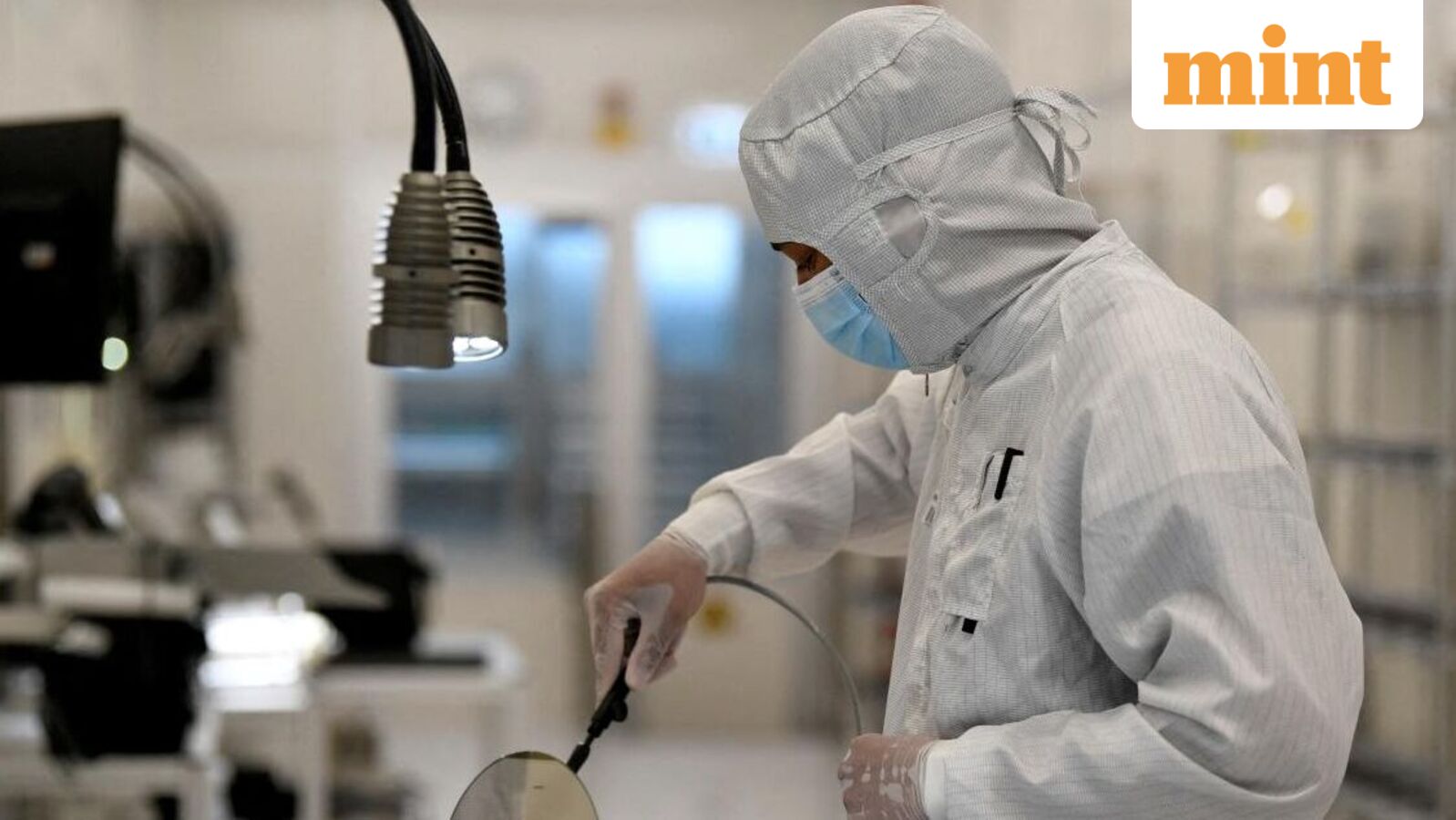
Nexperia microchips are leaving China again, easing a shortage of simple but ubiquitous parts that threatened to paralyze the auto industry.
German automotive supplier Aumovio, which was recently spun out of tire giant Continental, said Friday that the Sino-Dutch company’s semiconductors and components containing them were on their way from China to Aumovio’s distribution hub in Hungary.
The shipments are the first clear sign that Nexperia chip supplies are flowing more freely, following last week’s meeting between President Trump and Chinese leader Xi Jinping in South Korea. The Chinese commerce ministry on Saturday said it would grant export licenses in eligible cases.
Beijing moved to halt exports of Nexperia chips last month after the Dutch government seized control of the company from its Chinese owner Wingtech, citing risks to economic security. Nexperia, which is based in the Netherlands, sends most of its products to facilities in China for packaging and testing before they are delivered to customers.
The move sparked a flurry of warnings from automakers that they would have to suspend operations because of thinning inventories of parts containing Nexperia’s chips, which are used in everything from lights to electronics.
While Nexperia is a small player in the automotive-chip market overall, it is the market leader for a basic category of chips mainly consisting of transistors and diodes.
The Dutch government raised hopes of a breakthrough Thursday by citing “constructive” talks with Beijing.
“The Netherlands trusts that the supply of chips from China to Europe and the rest of the world will reach Nexperia’s customers over the coming days,” Dutch Economy Minister Vincent Karremans said.
So far, Honda is the only big carmaker to have said it curtailed output for want of chips. Last week it halved production at a plant in Alliston, Canada, where workers assemble Civic sedans and CR-V sport-utility vehicles.
The problem was among the reasons the Japanese carmaker gave for cutting its annual profit outlook on Friday. It said production in North America would be 110,000 vehicles lower in its current financial year than previously anticipated.
Other automakers have warned they are working week by week to secure sufficient supplies of the vehicle electronics that contain Nexperia chips, while urging politicians to resolve the situation.
The diplomatic turning point came after last week’s Trump-Xi meeting, when the U.S. agreed to put on hold a September move to apply tighter trade restrictions to certain subsidiaries of blacklisted Chinese entities.
The Dutch had taken control of Nexperia the day after the U.S. said it would expand its trade blacklist. Wingtech was added to the blacklist last year, meaning Nexperia could have faced the same trade restrictions as its Chinese parent.
Aumovio, which integrates Nexperia chips into over 100 components including displays and sensors, got an export license verbally on Wednesday and in writing on Thursday, according to a spokesperson. Its shipments to Europe pave the way for a resumption of affected parts supplies to automakers.
Bosch, another major German auto-parts supplier, also has obtained permission to export chips from China, according to a person familiar with the situation.
Write to Stephen Wilmot at stephen.wilmot@wsj.com and Raffaele Huang at raffaele.huang@wsj.com