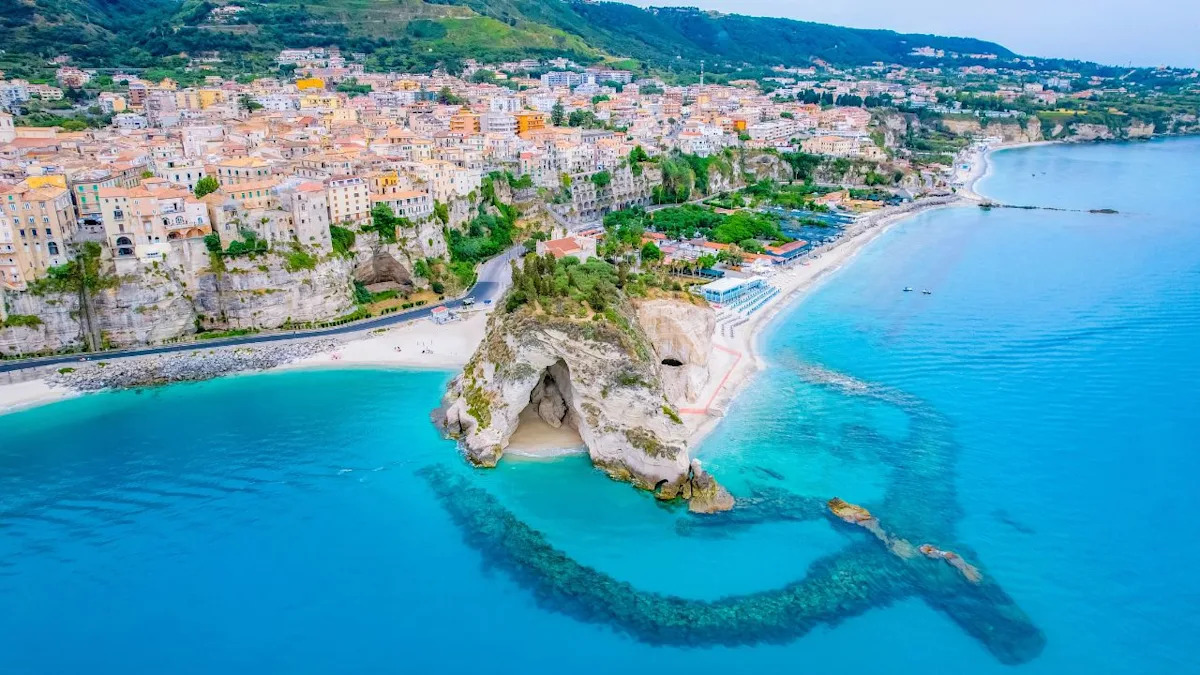
Europe’s breathtaking diversity spans from Arctic fjords to Mediterranean shores, where ancient castles crown misty mountains and cobblestone streets wind through villages that seem untouched by time.
Each nation offers its own distinctive beauty, from Switzerland’s Alpine perfection to Scotland’s rugged Highlands, creating a continent where natural splendor and cultural heritage combine in endlessly captivating ways. These twenty European destinations represent the absolute pinnacle of scenic beauty, architectural wonder, and cultural richness that define the continent’s irresistible appeal
Switzerland
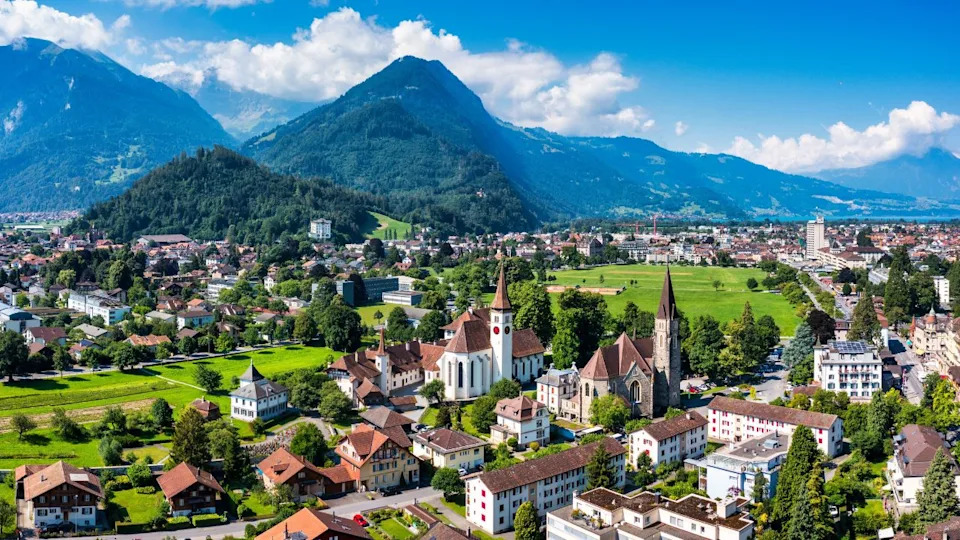
Image Credit: Shutterstock.
Switzerland stands unrivaled as Europe’s most scenically spectacular country, where snow-capped Alpine peaks reflect in crystal-clear lakes while pristine villages nestle in emerald valleys. The Matterhorn’s iconic pyramid shape epitomizes Swiss mountain beauty, while destinations like Interlaken, Zermatt, and the Jungfraujoch offer access to some of Earth’s most dramatic landscapes.
The country’s remarkable diversity spans from the Italian-influenced Ticino region with its palm-lined lakes to the French-speaking Vaud canton’s terraced vineyards overlooking Lake Geneva. Traditional chalets dot mountainsides where wildflower meadows burst into color each spring, creating postcard-perfect scenes that have defined Alpine beauty for generations.
Swiss engineering marvels like the Glacier Express and Bernina Express transform mountain travel into scenic journeys where every window frame reveals another stunning vista. Cities like Lucerne, with its covered wooden bridges and lakefront setting, demonstrate how Swiss urban planning harmonizes with natural beauty rather than competing against it.
Norway
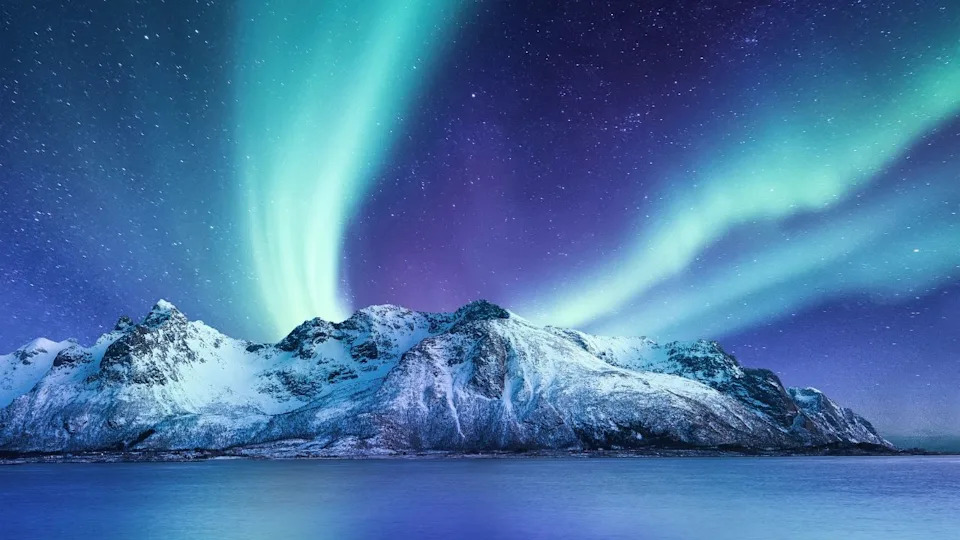
Image Credit:Shutterstock.
Norway’s dramatic landscapes showcase nature at its most powerful and pristine, where thousand-meter cliffs plunge into deep fjords while the Northern Lights dance across Arctic skies. The Geirangerfjord and Nærøyfjord create UNESCO World Heritage scenes of vertical waterfalls cascading from snow-covered peaks into emerald waters far below.
The Lofoten Islands present some of Europe’s most spectacular coastal scenery, where traditional fishing villages perch on stilts above Arctic waters while dramatic peaks rise directly from the sea. During summer’s midnight sun, these landscapes take on an otherworldly quality as golden light illuminates red fishing huts and white sand beaches that seem impossible at such northern latitudes.
Bergen’s colorful wooden houses create one of Europe’s most photogenic harbors, while the city serves as gateway to fjord country where natural beauty reaches almost supernatural intensity. The Atlantic Road’s bridge-connected islands showcase Norway’s ability to create scenic driving routes that enhance rather than diminish pristine landscapes.
Italy
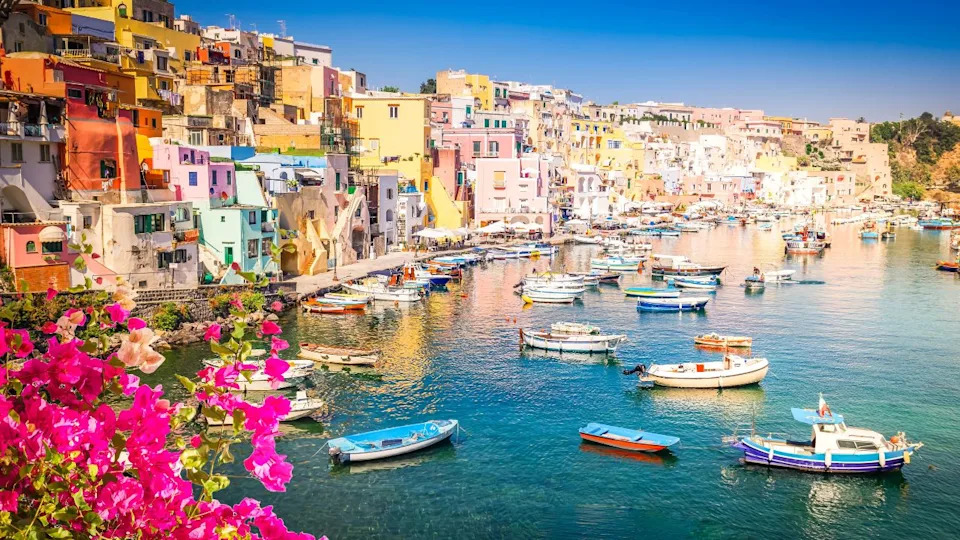
Image Credit:Shutterstock.
Italy seamlessly blends artistic masterpieces with diverse natural beauty, from the romantic canals of Venice to the dramatic Amalfi Coast where colorful villages cascade down cliffs toward azure Mediterranean waters. Tuscany’s rolling hills create the quintessential pastoral landscape, dotted with cypress-lined roads, medieval hilltop towns, and vineyard-covered slopes that have inspired artists for centuries.
The Italian Lakes region combines Alpine grandeur with Mediterranean elegance, as Lake Como’s villa-lined shores and Lake Maggiore’s island palaces create settings of refined beauty. The Dolomites offer some of Europe’s most dramatic mountain scenery, where pink-tinged peaks rise above emerald meadows in landscapes that seem too perfect to be natural.
Rome’s eternal beauty transcends its individual monuments, as fountains, piazzas, and ancient ruins create an urban landscape where every street corner reveals another architectural marvel. Florence demonstrates how Renaissance genius can transform entire cities into open-air museums where beauty becomes part of daily life.
Iceland
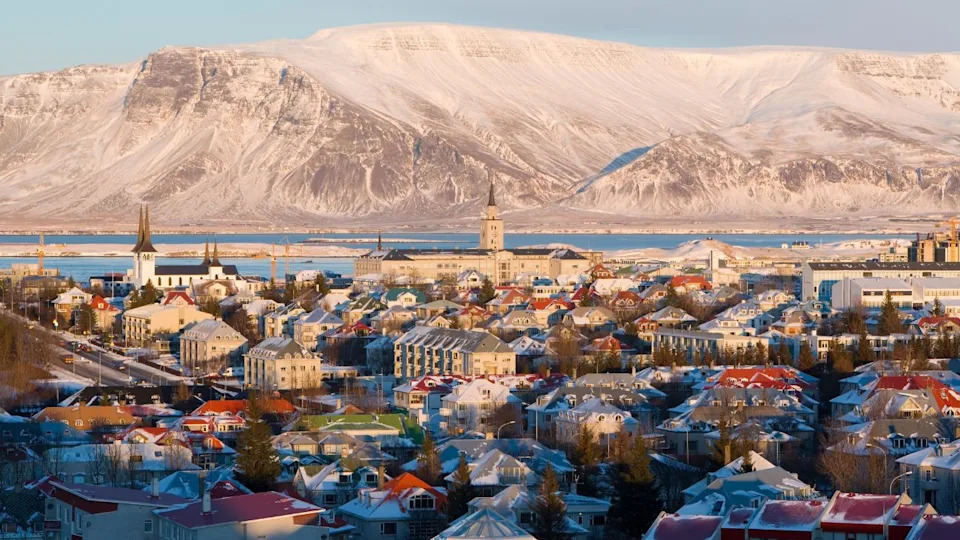
Image Credit: Shutterstock.
Iceland’s otherworldly landscapes showcase the planet’s geological forces in their rawest form, where active volcanoes, massive glaciers, and powerful geysers create scenery unlike anywhere else in Europe. The Blue Lagoon’s milky blue geothermal waters contrast dramatically with dark lava fields, while the Northern Lights transform winter skies into curtains of dancing color.
Gullfoss waterfall thunders through a dramatic gorge in displays of raw power, while nearby Geysir sends boiling water shooting skyward in regular intervals that have amazed visitors for centuries. The Westfjords present Europe’s most remote and pristine coastal scenery, where towering cliffs shelter tiny fishing villages beneath mountains that seem to rise directly from Arctic waters.
Vatnajökull National Park encompasses Europe’s largest glacier alongside active volcanic zones, creating a landscape where ice and fire coexist in dramatic tension. The Ring Road provides access to this geological wonderland while revealing how Icelandic beauty lies in its untamed, elemental power rather than gentle pastoral charm.
Scotland
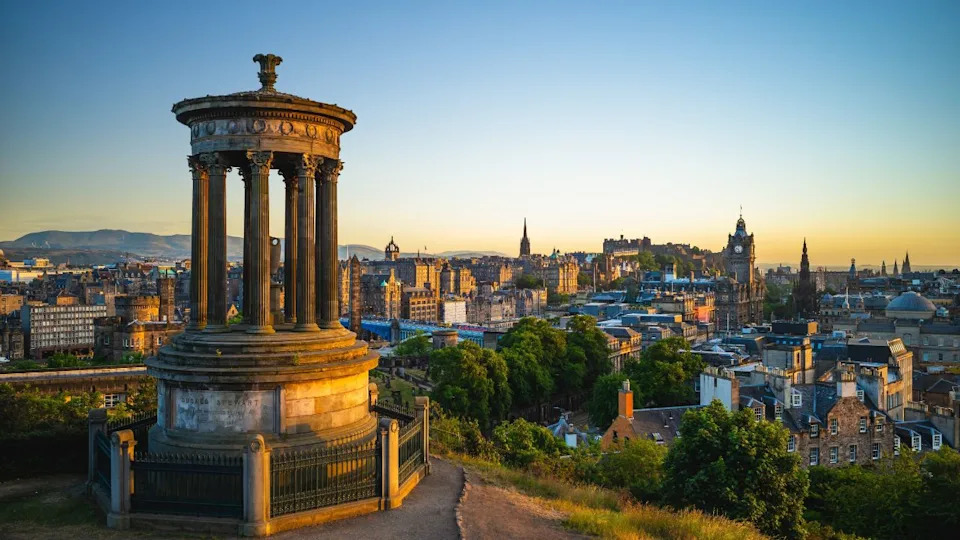
Image Credit: Shutterstock.
Scotland’s Highland beauty combines dramatic mountains, mysterious lochs, and ancient castles in landscapes that embody romantic wilderness. Glencoe’s haunting valley, site of the infamous 1692 massacre, creates one of Britain’s most emotionally powerful landscapes where history and natural beauty intertwine inseparably.
The Isle of Skye showcases Scotland’s most spectacular coastal scenery, where the Old Man of Storr’s rocky pinnacles and the Quiraing’s otherworldly rock formations create hiking destinations of international renown. Edinburgh’s medieval Old Town and Georgian New Town demonstrate how Scottish cities can achieve UNESCO World Heritage beauty while maintaining their authentic character.
Loch Lomond and the Trossachs present Scotland’s gentler face, where island-dotted waters reflect forested hills in scenes that inspired romantic poets and continue to captivate modern visitors. The North Coast 500 driving route reveals the Highlands’ full diversity, from pristine beaches to dramatic cliffs to remote glens where ancient clan histories seem to echo from every stone.
Greece
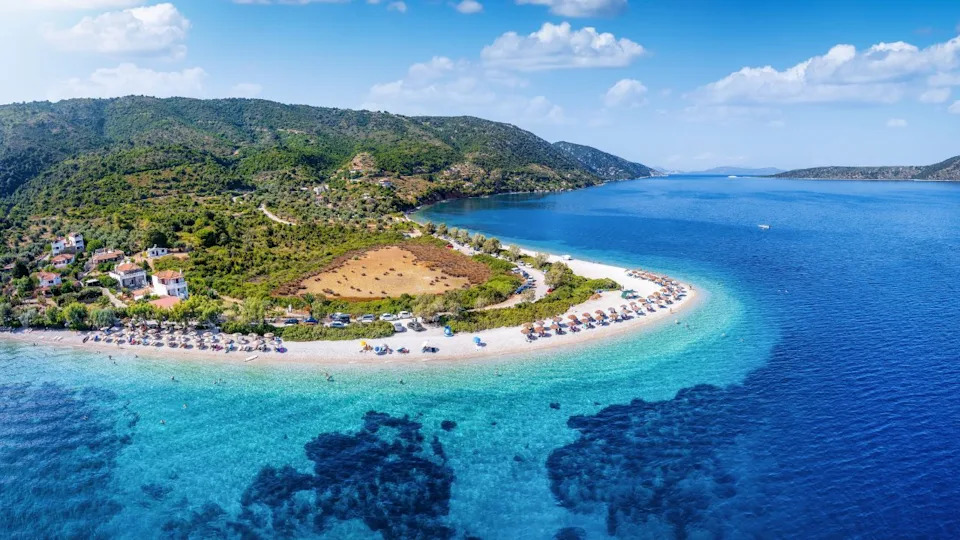
Image Credit: Shutterstock.
Greece combines ancient wonder with island paradise beauty, where whitewashed Cycladic villages perch on volcanic cliffs above seas so blue they seem artificial. Santorini’s caldera views create one of the world’s most recognizable romantic settings, while Mykonos demonstrates how traditional Greek island architecture achieves timeless elegance.
The Peloponnese peninsula showcases Greece’s mainland beauty, where ancient Olympia and Epidaurus nestle in landscapes of olive groves and wildflower meadows. Meteora’s monasteries, built impossibly atop towering rock pillars, create one of Europe’s most spiritually moving landscapes where human faith literally reaches toward heaven.
Athens proves that urban Greece can be as beautiful as its islands, as the Acropolis creates a crown of classical perfection above a modern city that stretches toward mountains and sea. Crete’s diverse landscapes span from the Samaria Gorge’s dramatic canyon to Balos Lagoon’s tropical-like beauty, demonstrating the remarkable variety contained within Greek borders.
France
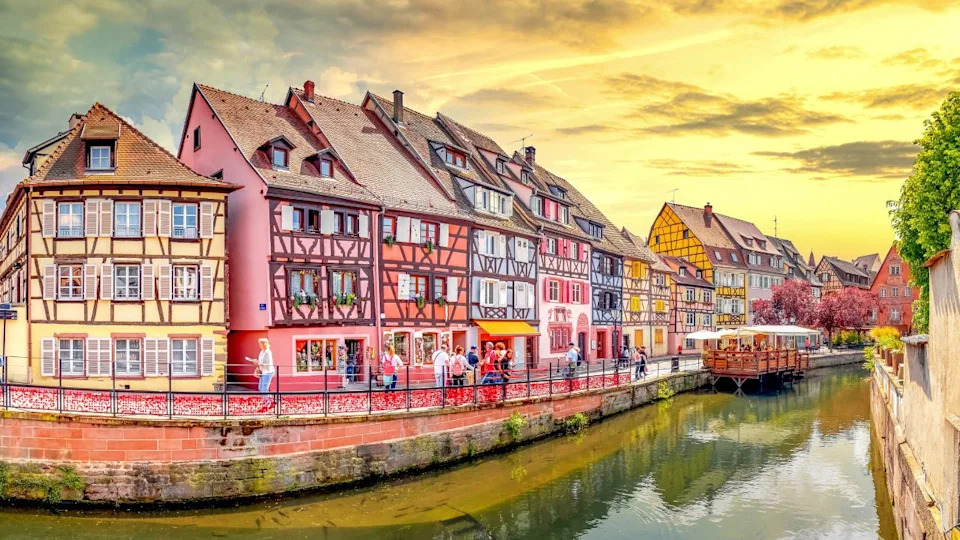
Image Credit: Shutterstock.
France’s beauty encompasses everything from lavender fields in Provence to dramatic Atlantic coastlines in Brittany, creating a country where each region offers distinctive and memorable landscapes. The Loire Valley presents château country at its most refined, where Renaissance castles reflect in peaceful rivers amid manicured gardens and ancient forests.
Provence epitomizes Mediterranean France’s sun-soaked appeal, where purple lavender fields stretch toward ancient villages like Gordes and Roussillon that seem carved from the golden limestone hills they crown. The French Riviera combines glamorous resorts with surprising natural beauty, as the coastal road from Nice to Monaco reveals hidden coves and medieval hilltop villages.
Paris transcends typical urban beauty to become a work of art itself, where grand boulevards, iconic monuments, and neighborhood café culture create a city that functions as the world’s standard for metropolitan elegance. The French Alps offer mountain beauty that rivals Switzerland while maintaining distinctly Gallic charm in resort towns like Chamonix and Annecy.
Austria
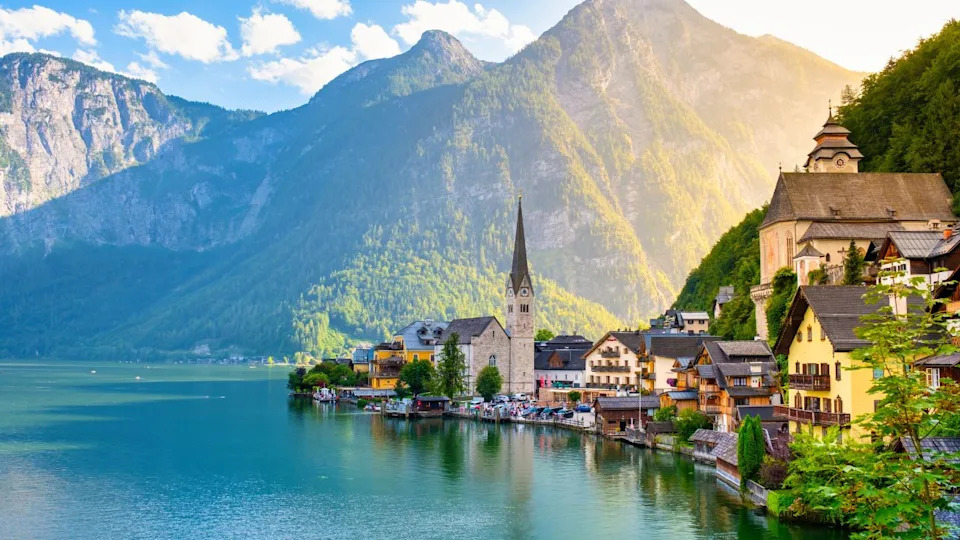
Image Credit: Shutterstock.
Austria presents Alpine beauty with imperial grandeur, where snow-capped peaks provide backdrops for baroque palaces and musical traditions that seem woven into the landscape itself. The Hallstatt lakeside village creates one of Europe’s most photographed scenes, where traditional Alpine architecture reflects in pristine waters beneath towering Dachstein peaks.
Salzburg combines Mozart’s musical heritage with stunning Alpine setting, as the city’s baroque old town spreads beneath Hohensalzburg Fortress while nearby mountains promise endless hiking and skiing opportunities. The Wachau Valley demonstrates how Austrian beauty can be found in gentler landscapes, where terraced vineyards line the Danube between medieval towns and ruined castles.
Vienna achieves urban beauty through imperial architecture and café culture that transforms everyday life into elegant performance. The city’s position between Alps and Hungarian plains creates a unique setting where mountain air meets metropolitan sophistication in parks and palaces that showcase Austria’s cultural heritage.
Croatia
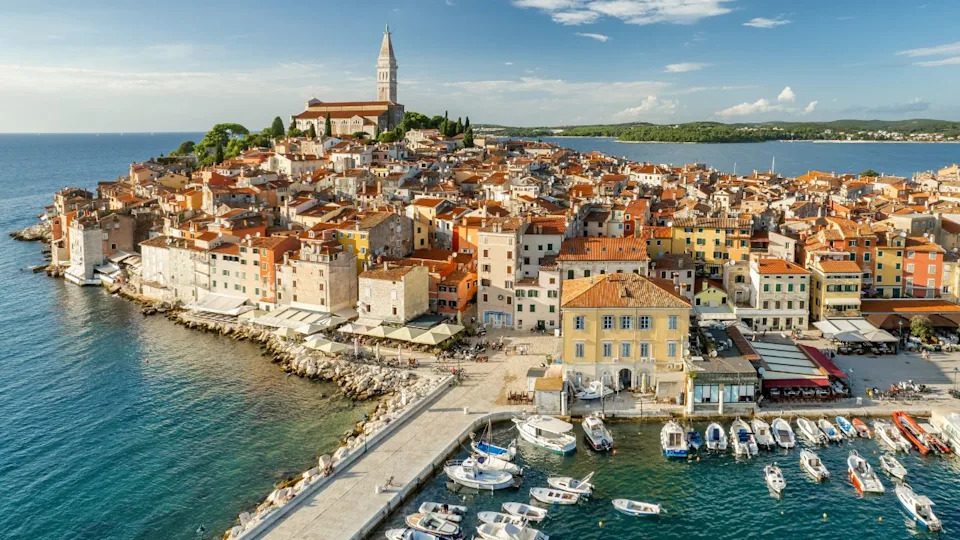
Image Credit: Shutterstock.
Croatia’s Adriatic coastline presents Mediterranean beauty at its most pristine, where ancient walled cities overlook crystal-clear waters dotted with forested islands. Dubrovnik’s medieval walls enclose a perfectly preserved old town that UNESCO recognizes as among Europe’s most beautiful urban ensembles.
Plitvice Lakes National Park creates a natural wonderland where sixteen terraced lakes connected by waterfalls showcase Croatia’s inland beauty. The cascading waters change color throughout the day as light filters through ancient forests, creating scenes that seem too perfect to be natural.
The Dalmatian coast reveals new beauty around every bend, from Split’s Diocletian’s Palace to the lavender fields of Hvar Island. Croatia’s unique position between Central Europe and the Mediterranean creates cultural and architectural diversity that enhances the country’s natural coastal splendor.
Portugal
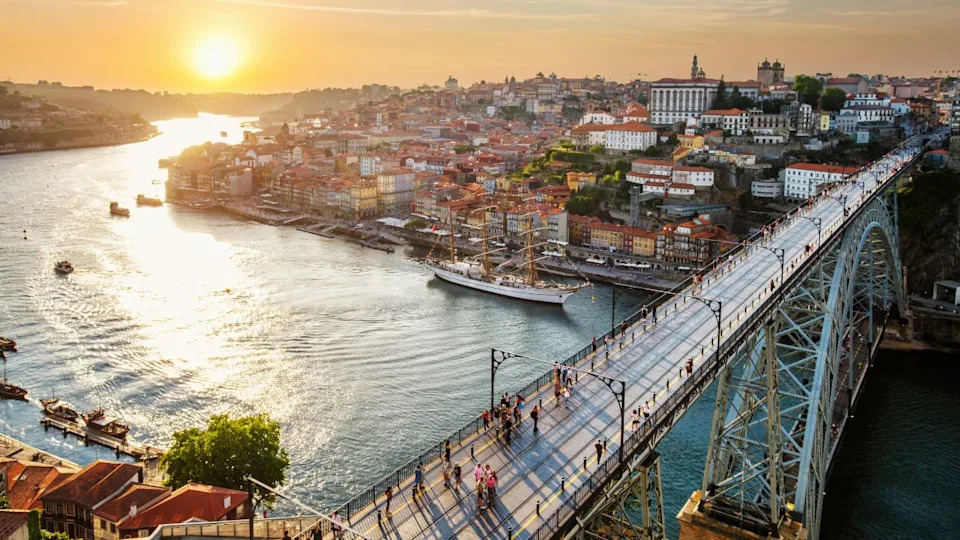
Image Credit: Shutterstock.
Portugal’s Atlantic beauty ranges from dramatic cliffs at Cabo da Roca to the golden beaches of the Algarve, while inland regions showcase landscapes of terraced vineyards and ancient olive groves. Porto’s riverside setting creates one of Europe’s most photogenic cities, where colorful houses cascade toward the Douro River beneath soaring cathedral towers.
The Douro Valley presents some of Europe’s most spectacular wine country, where terraced vineyards carved into steep hillsides create geometric patterns that change color with the seasons. Sintra’s romantic palaces, especially the fairytale Pena Palace, demonstrate how Portuguese creativity can enhance rather than compete with natural beauty.
Lisbon’s seven hills provide natural drama for a capital city where pastel buildings, traditional trams, and spectacular viewpoints create urban beauty that extends from historic neighborhoods to modern waterfronts along the Tagus estuary.
Czech Republic
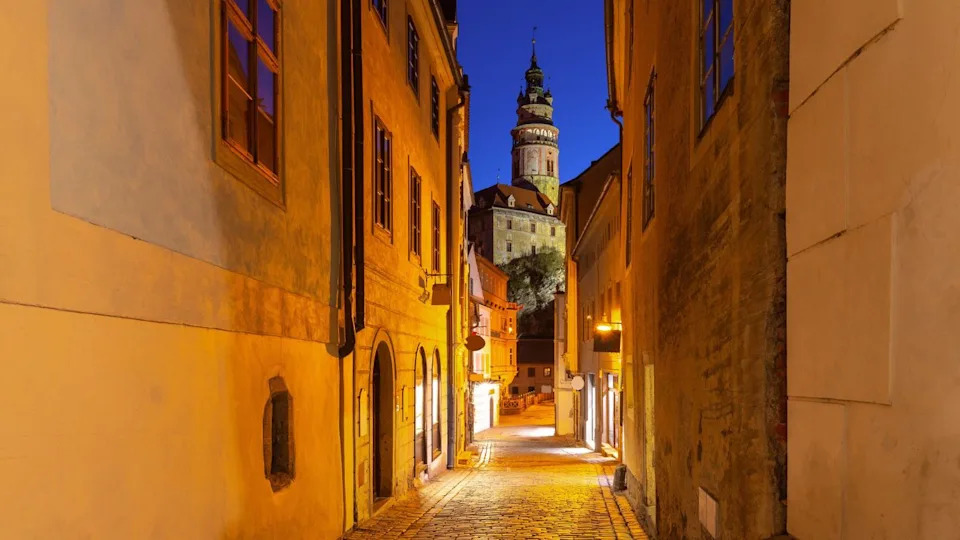
Image Credit:Shutterstock.
Prague creates one of Europe’s most complete medieval cityscapes, where Gothic spires, baroque palaces, and romantic bridges combine with the Vltava River’s curves to produce urban beauty that seems almost too perfect to be real. The castle complex crowning Hradčany hill provides focal points that organize the entire city into a harmonious work of architectural art.
Bohemian Switzerland National Park showcases the Czech Republic’s natural beauty through sandstone formations that create dramatic hiking landscapes near the German border. The Moravian countryside presents a gentler face of Czech beauty, where rolling hills dotted with castles and wine villages provide scenic relief from the intensity of Prague’s urban magnificence.
Český Krumlov demonstrates how smaller Czech cities achieve remarkable beauty through preservation and setting, as the medieval town curves around the Vltava beneath a magnificent castle that has remained virtually unchanged since the Renaissance.
Spain
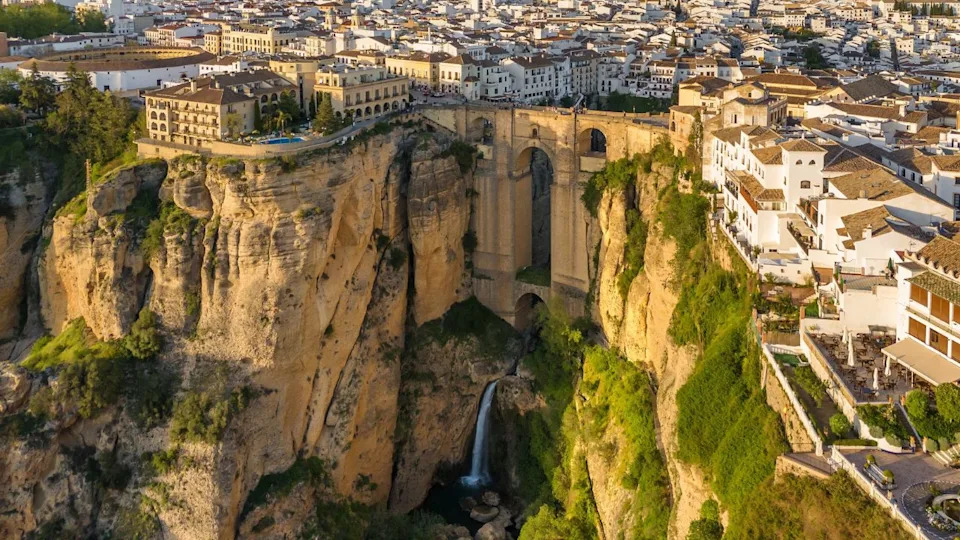
Image Credit: Shutterstock.
Spain’s remarkable diversity spans from the Pyrenees’ snow-capped peaks to Andalusia’s sun-baked villages, where Moorish architecture creates exotic beauty unique in Europe. The Camino de Santiago reveals northern Spain’s green landscapes, where medieval pilgrimage routes connect ancient cities through forests and mountain passes.
Andalusia epitomizes Spanish beauty through cities like Granada, where the Alhambra creates the ultimate fusion of Islamic and European architectural traditions amid gardens that seem designed by paradise planners. Seville’s orange-scented streets and magnificent cathedral demonstrate how Spanish cities achieve beauty through the accumulation of cultural layers across centuries.
The Basque Country presents Spain’s most distinctive regional beauty, where green hills meet dramatic Atlantic coastlines while unique cultural traditions create architecture and landscapes found nowhere else in Europe.
Turkey
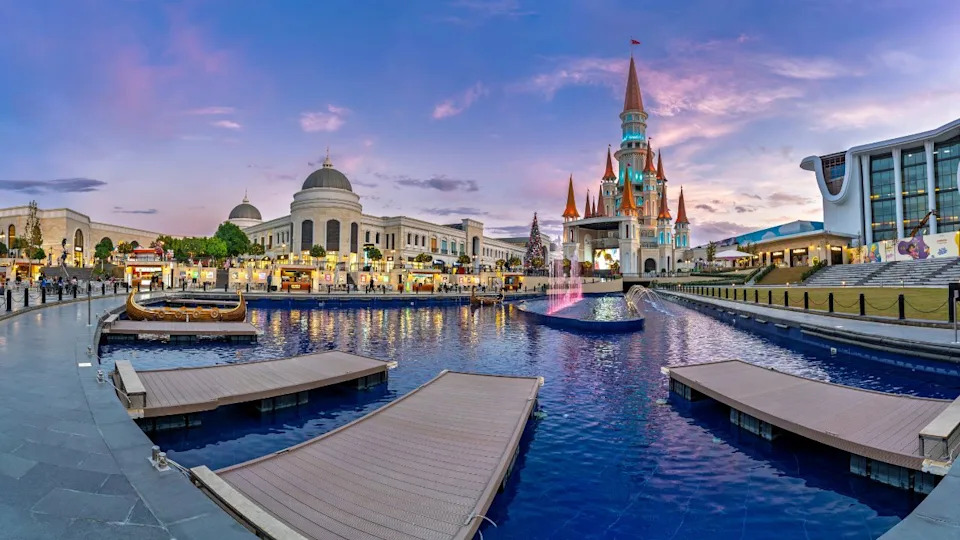
Image Credit;Nejdet Duzen / Shutterstock
Turkey’s European territories around Istanbul create beauty that bridges continents, where Byzantine and Ottoman architectural masterpieces line the Bosphorus between Europe and Asia. The Hagia Sophia and Blue Mosque represent the culmination of their respective architectural traditions while creating a skyline of domes and minarets that defines one of the world’s most beautiful cities.
Cappadocia’s otherworldly landscapes of fairy chimney rock formations and underground cities create natural and human beauty that seems designed by fantasy artists. Hot air balloon flights reveal the full extent of this geological wonderland while providing perspectives that transform tourism into art.
The Turkish Riviera combines ancient ruins with Mediterranean coastal beauty, where sites like Ephesus showcase how historical significance can enhance rather than diminish natural settings.
Germany
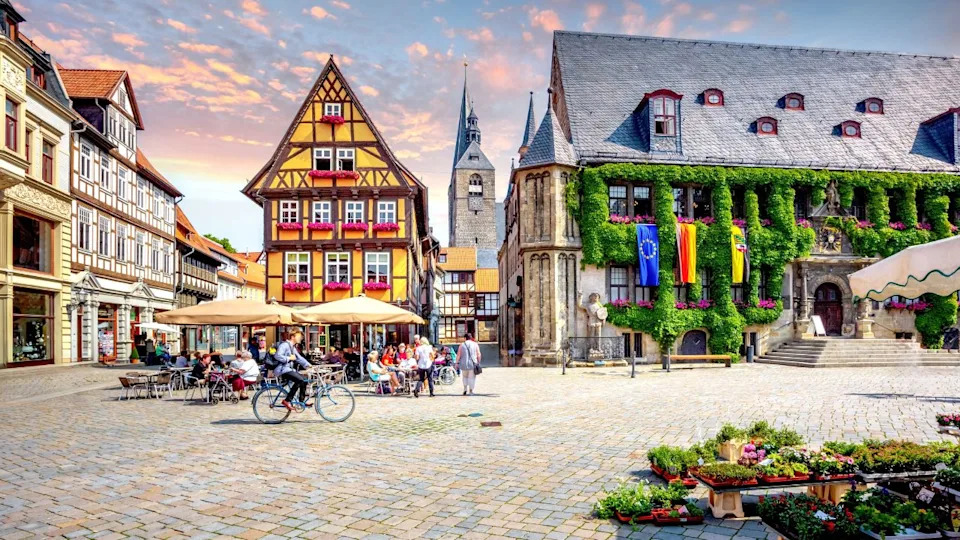
Image Credit: Shutterstock.
Germany’s beauty ranges from the Rhine Valley’s castle-crowned hills to Bavaria’s Alpine lakes, where traditional villages preserve storybook architecture in settings of remarkable natural beauty. The Romantic Road connects medieval towns like Rothenburg ob der Tauber and Dinkelsbühl, creating a scenic route through landscapes that inspired fairy tales.
The Black Forest presents Germany’s most mysterious natural beauty, where ancient woodlands shelter traditional villages and cuckoo clock workshops in settings that seem unchanged since the Brothers Grimm collected their tales. Berlin demonstrates how German cities can achieve beauty through the successful integration of historical preservation with bold modern architecture.
Neuschwanstein Castle epitomizes romantic German beauty, where King Ludwig II’s fantasy palace crowns a forested hill above Alpine lakes in scenes that inspired Disney’s animators and continue to define fairy tale architecture.
Netherlands
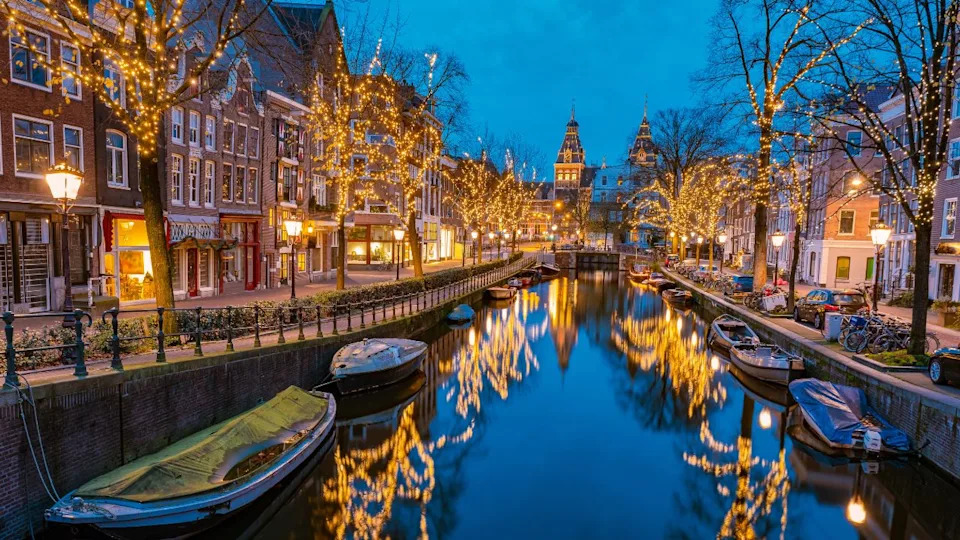
Image Credit: Shutterstock.
The Netherlands creates beauty through the harmony between human engineering and natural forces, where canals, windmills, and tulip fields produce landscapes that are simultaneously artificial and natural. Amsterdam’s concentric canals lined with narrow gabled houses create one of Europe’s most distinctive urban beauties, enhanced by the city’s bike-friendly culture and numerous parks.
Keukenhof Gardens showcases Dutch horticultural mastery through seasonal displays that transform the countryside into geometric patterns of color. The Kinderdijk windmills preserve traditional Dutch engineering while creating iconic silhouettes against skies that seem designed to showcase these architectural marvels.
The Wadden Sea region demonstrates how the Netherlands achieves beauty through the successful management of challenging coastal environments, where traditional fishing villages adapt to tidal landscapes that change dramatically throughout each day.
Belgium
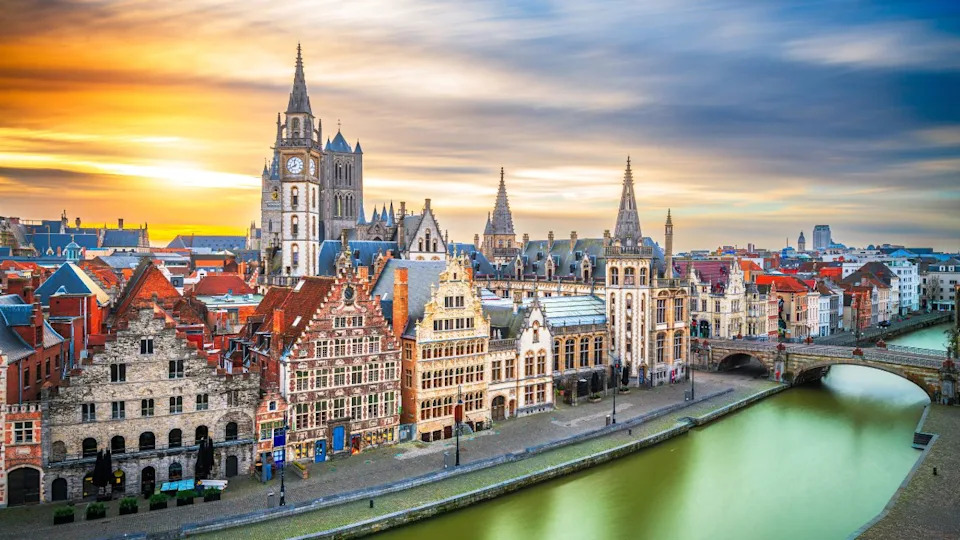
Image Credit: Shutterstock.
Belgium achieves remarkable beauty within its compact borders through medieval cities that preserve Gothic and baroque architecture in remarkable completeness. Bruges creates one of Europe’s most romantic urban settings, where canals reflect stepped gable houses and church towers while maintaining an intimacy that larger cities cannot match.
Brussels demonstrates how European capitals can achieve beauty through the successful combination of grand civic architecture with neighborhood-scale charm. The Grand Place creates one of Europe’s most spectacular central squares while the city’s Art Nouveau heritage adds distinctive artistic flair to residential areas.
The Ardennes region showcases Belgium’s natural beauty through forested hills and river valleys that provide scenic relief from the intensity of the country’s urban treasures.
Ireland
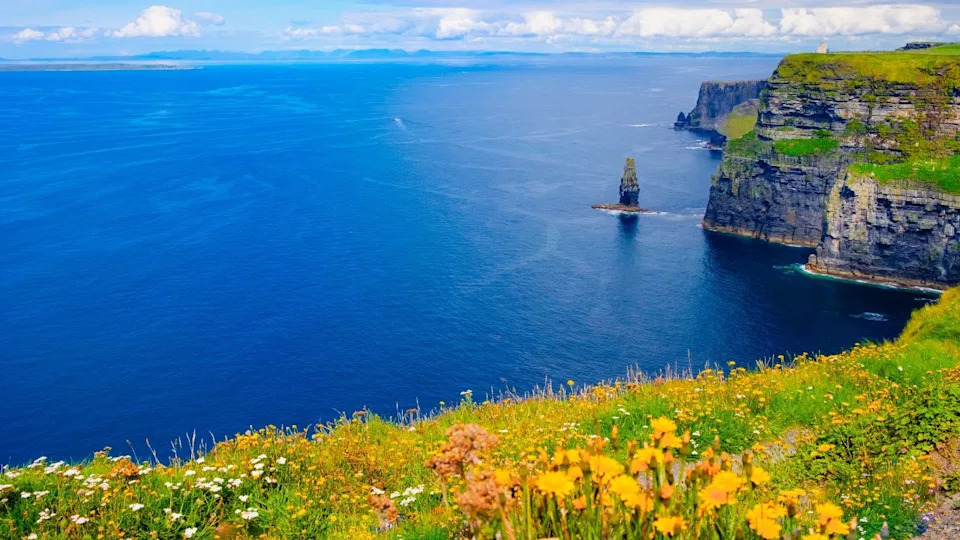
Image Credit: Shutterstock.
Ireland’s beauty lies in its dramatic coastlines and impossibly green landscapes, where ancient stone walls divide emerald fields beneath skies that seem to change color every few minutes. The Cliffs of Moher create one of Europe’s most spectacular coastal scenes, where 200-meter precipices provide nesting sites for countless seabirds while offering views that extend to the Aran Islands.
The Ring of Kerry reveals Ireland’s full scenic diversity through a driving route that connects lakes, mountains, and coastal villages in landscapes that embody the romantic Celtic imagination. Dublin achieves urban beauty through Georgian architecture and literary culture that transforms everyday streets into settings worthy of the countless novels and poems they’ve inspired.
The Giant’s Causeway demonstrates how Irish beauty can achieve almost supernatural quality through geological formations that ancient peoples attributed to the work of giants rather than volcanic activity.
Denmark
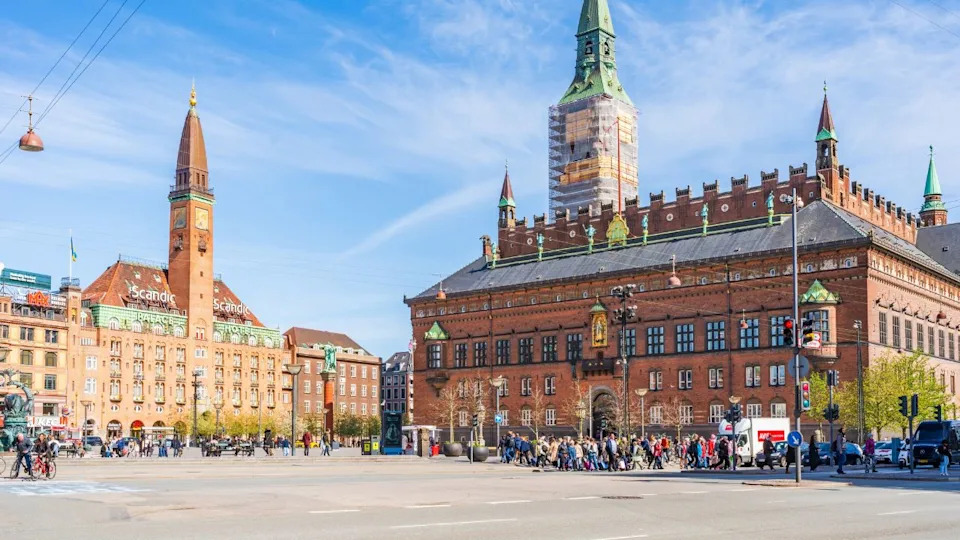
Image Credit: Shutterstock.
Denmark creates beauty through the perfect balance between human scale and natural setting, where Copenhagen’s harbor culture and bicycle-friendly design create urban environments that enhance rather than compete with quality of life. The city’s colorful Nyhavn district exemplifies how Scandinavian cities achieve beauty through attention to detail and respect for historical architecture.
The Danish countryside presents beauty through gentle rolling hills, traditional farmhouses, and coastal landscapes that inspired Hans Christian Andersen’s fairy tales. Kronborg Castle at Elsinore creates one of Northern Europe’s most dramatic settings, where Shakespeare’s Hamlet continues to resonate in a fortress that commands the narrow sound between Denmark and Sweden.
The Faroe Islands, though autonomous, showcase Danish territory’s capacity for dramatic natural beauty through landscapes that seem to exist at the edge of the world.
Poland
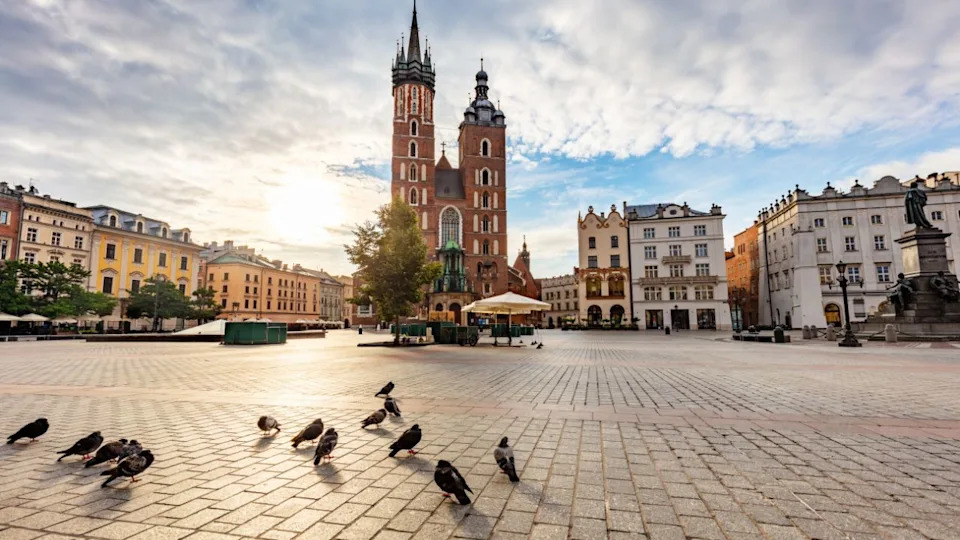
Image Credit : Shutterstock.
Poland’s beauty emerges through cities like Kraków, where medieval and Renaissance architecture survived wars that destroyed much of Europe’s historical heritage. The Market Square, Europe’s largest medieval plaza, creates an urban space of remarkable harmony and grandeur while the nearby Wawel Castle crowns the Vistula River with royal magnificence.
The Tatra Mountains provide Poland with Alpine beauty that rivals more famous ranges while offering distinctly Eastern European cultural traditions in mountain villages that preserve centuries-old customs. The Masurian Lake District creates landscapes of remarkable tranquility, where forests and waters provide recreational beauty that attracts visitors from throughout Europe.
Warsaw demonstrates how cities can achieve beauty through successful reconstruction and modern planning, creating a capital that honors its tragic history while embracing contemporary urban design.
Hungary
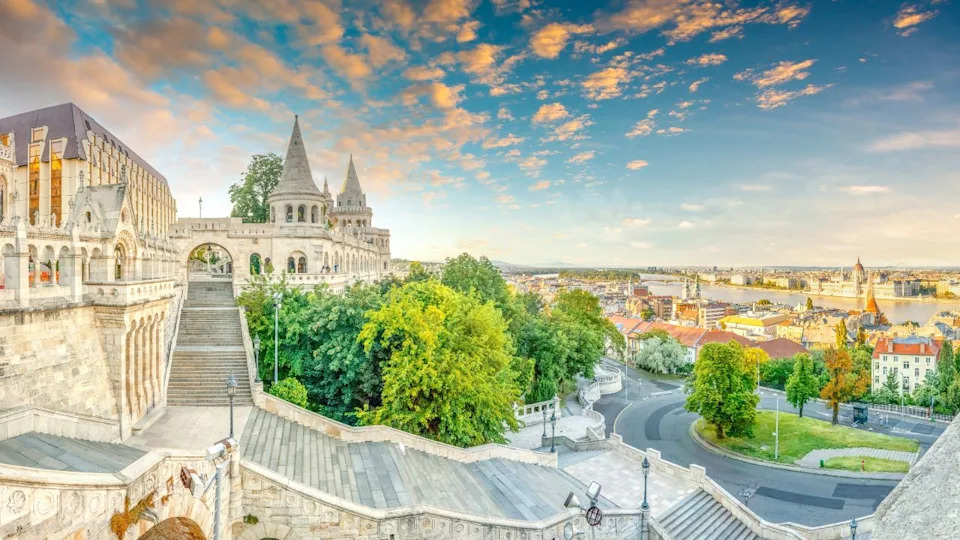
Image Credit : Shutterstock.
Hungary’s beauty centers on Budapest, where the Danube River divides Buda’s castle-crowned hills from Pest’s grand boulevards in one of Europe’s most dramatically situated capitals. The Parliament building creates one of the continent’s most spectacular government buildings while thermal baths add distinctive cultural elements that enhance the city’s architectural beauty.
Lake Balaton provides Hungary with resort beauty that has attracted Central European visitors for generations, while the surrounding wine regions produce landscapes of cultivated beauty that change dramatically with the seasons. The Danube Bend reveals Hungary’s most romantic landscapes, where the great river curves between forested hills dotted with medieval towns and baroque monasteries.
The Hungarian plains present a different form of beauty through vast grasslands and traditional pastoral landscapes that preserve ways of life largely vanished elsewhere in Europe.
Each of these twenty countries offers distinctive beauty that reflects centuries of cultural development within diverse natural settings. From Switzerland’s Alpine perfection to Ireland’s dramatic coastlines, Europe’s beauty lies not just in individual destinations but in the remarkable variety that allows travelers to experience completely different forms of magnificence within a single continent.
These nations represent the absolute pinnacle of what Europe offers to visitors seeking beauty that combines natural splendor with cultural achievement in settings that continue to inspire and amaze.