From reproductive rights to climate change to Big Tech, The Independent is on the ground when the story is developing. Whether it’s investigating the financials of Elon Musk’s pro-Trump PAC or producing our latest documentary, ‘The A Word’, which shines a light on the American women fighting for reproductive rights, we know how important it is to parse out the facts from the messaging.
At such a critical moment in US history, we need reporters on the ground. Your donation allows us to keep sending journalists to speak to both sides of the story.
The Independent is trusted by Americans across the entire political spectrum. And unlike many other quality news outlets, we choose not to lock Americans out of our reporting and analysis with paywalls. We believe quality journalism should be available to everyone, paid for by those who can afford it.
Your support makes all the difference.
Read more
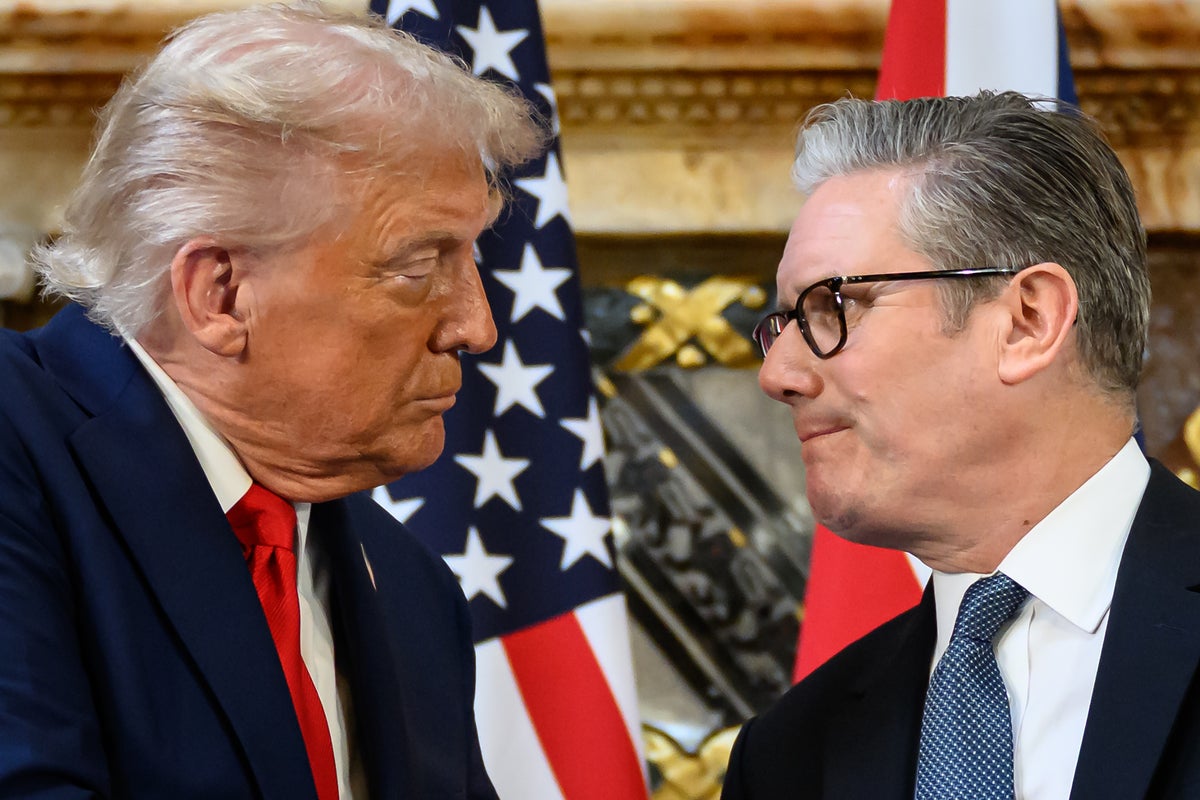
The United Kingdom has taken the unprecedented step of pausing some intelligence sharing with the United States over fears of being implicated in potentially illegal strikes against vessels accused of ferrying drugs in the Caribbean, new reporting reveals.
CNN reported on Tuesday that the intelligence pause began over a month ago, with British officials reportedly agreeing with the international consensus that the strikes are illegal.
In a move that has blurred the lines between law enforcement and military action, the Trump administration has directed lethal strikes against numerous vessels it claims are being operated by drug smugglers designated “narcoterrorists” by the U.S. government in recent months.
Dozens have died in the strikes, with their identities not made public by the White House or Pentagon. An Associated Press investigation, piecing together evidence from the ground in Venezuela, identified some of those killed in the strikes and confirmed some of their involvement in small-scale local operations for drug cartels, typically on a temporary basis.
The news outlet separately reported that Canadian officials have “made clear to the U.S. that it does not want its intelligence being used to help target boats for deadly strikes”.

US President Donald Trump has declined to say definitively whether the U.S. is plotting invasion of Venezuela, but has indicated his inclination against it (AFP/Getty)
A total of 76 people have been confirmed killed by the U.S. government in the strikes, which the White House’s critics say amount to extrajudicial killings. Those targeted are not afforded trials or any form of due process. The U.S. government has also designated top officials in Venezuela’s government as the alleged leaders of “Cartel de los Soles”, a group it claims is involved in the drug trade.
A group of independent experts hired by the U.N. Human Rights Council acknowledged Trump’s justification, but stated in October that “even if such allegations were substantiated, the use of lethal force in international waters without proper legal basis violates the international law of the sea and amounts to extrajudicial executions.”
Those criticisms have been echoed by Democrats and a handful of Republicans in Trump’s own party. Despite this, the Senate defeated a resolution to check the powes of the president under the War Powers Resolution last week, with two Republicans joining Democratic ranks (one short of the votes needed).
As the strikes have continued, the Trump administration has leaned into accusing the Maduro regime of being illegitimate and recent elections in Venezuela being fraudulent. The U.S. has surged military resources including a carrier group to the region, raising fears of a ground invasion. Those resources include guided-missile destroyers, F-35 fighter jets, a nuclear submarine and around 6,500 troops.
The president has maintained that he is leaning against an invasion of Venezuela, telling CBS’s 60 Minutes: “I doubt it.”
But he stuck to the same rhetoric he has used in the leadup to other military strikes, including in Iran: “I wouldn’t be inclined to say that I would do that… I’m not gonna tell you what I’m gonna do with Venezuela, if I was gonna do it or if I wasn’t going to do it.”
And speaking about the strikes, he’s indicated that he will not ask Congress for authority to carry out further military action, nor will he extend due process to alleged drug smugglers.
“I think we’re just going to kill people that are bringing drugs into our country, OK?” Trump said at a White House event in late October. “We’re going to kill them, you know. They’re going to be, like, dead.”
CNN reported last month that the president was reviewing plans for strikes inside Venezuela targeting narcotics smugglers and their operations. It isn’t clear whether Venezuelan military targets were among the list.