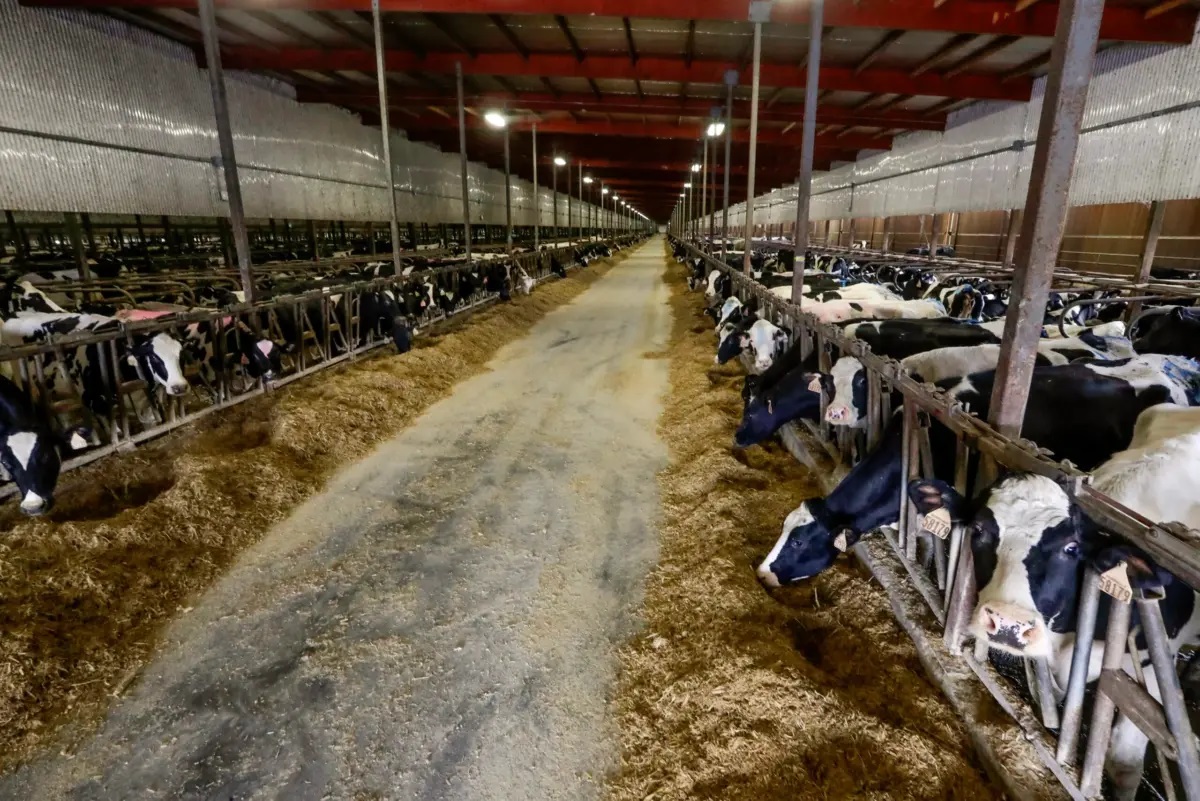
Francisco Guerrero, representing the Wisconsin Institute for Public Policy and Service, works directly with the community of Latino workers essential to the dairy economy in central Wisconsin. Guerrero affirmed on WPR’s “Morning Edition” that, regardless of the permanent legal status of many of these employees, the industry cannot function without them. His stark assessment: “There would be no dairy industry without these workers,” underscoring the vital, systemic role that this labor force plays in maintaining the state’s massive dairy production output and economic identity.
The escalating labor shortage, aggravated by the increased pace of immigration enforcement, has prompted renewed and urgent calls for a sweeping reform of the federal H-2A visa program. This current visa system, which permits foreign nationals to temporarily fill farm jobs in the U.S., is overwhelmingly criticized by growers. Producers argue that the H-2A program is cumbersome, excessively expensive, and fundamentally ill-suited to accommodate the year-round, non-seasonal demands inherent in modern dairy production schedules.
Many in the industry now view the present workforce crisis as a potential turning point—a moment that could finally force Congress and relevant federal agencies to aggressively modernize the H-2A process. The goal is to make the system more flexible, efficient, and responsive to the actual labor realities of the agricultural sector. Agriculture Secretary Brooke Rollins, speaking in Kansas City, acknowledged the pressure, stating that federal agencies are doing “everything we can right now, within the statute, to make it better, easier, more efficient, and cheaper” for producers to utilize the program.