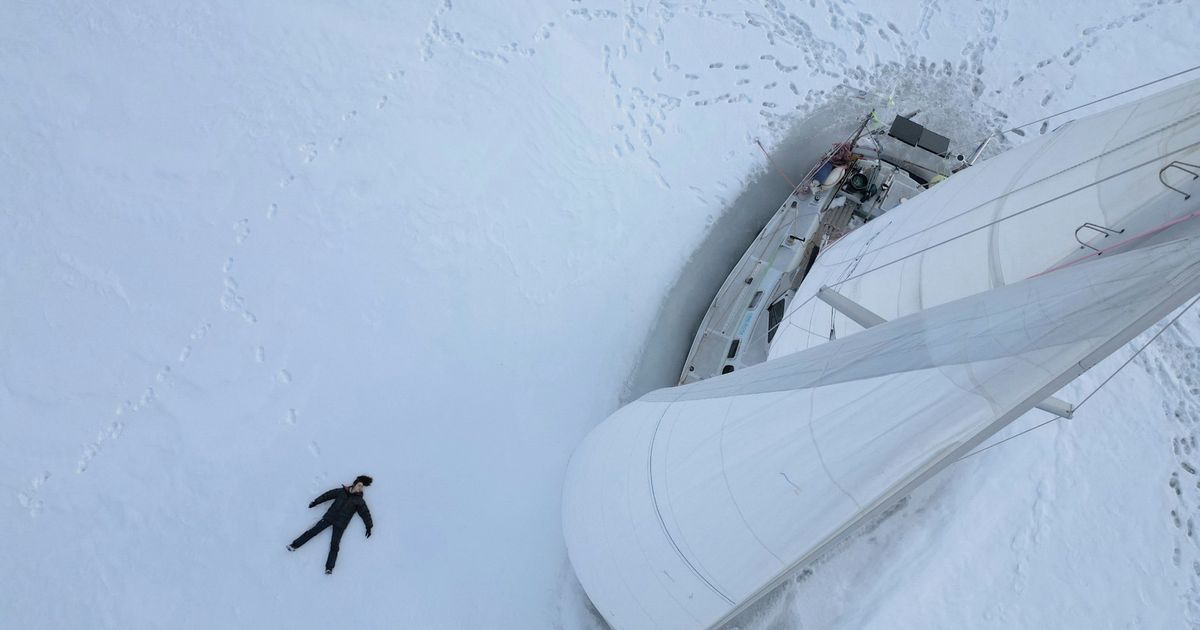
If AMOC were to collapse, the upheaval could send winter temperatures across Northern Europe plummeting(Image: Courtesy of Tamara Klink/AFP via)
Iceland is sounding the alarm over the potential collapse of a key Atlantic Ocean current system, it says could plunge the world into a “modern-day ice age.”
The NATO country is worried about the state of the Atlantic Meridional Overturning Circulation, which is similar to a giant ocean conveyor belt that transports warm water from the tropics to the northern Atlantic, and its key role as the main current guiding the warm water from the US East Coast to the north.
This process is vital for residents of northwestern Europe and the northeastern US who rely on the warmer water to keep winters mild and other weather patterns, such as tropical rainfall, at bay.
READ MORE: Scientists find 34-million-year-old lost world buried under 2 kilometers of Antarctic iceREAD MORE: Donald Trump thanks Bill Gates for issuing major ‘doomsday’ update on climate change
Scientists warned the current flow could be disrupted by higher temperatures, which cause meltwater from Greenland’s ice sheet to pour into the ocean.
If AMOC were to collapse, the upheaval could send winter temperatures across Northern Europe plummeting to horrific extremes and bring an influx of snow and ice, scientists say.
The last time the AMOC collapsed, the Earth was sent into an Ice Age that came to a close about 12,000 years ago. “It is a direct threat to our national resilience and security,” Iceland Climate Minister Johann Pall Johannsson said.
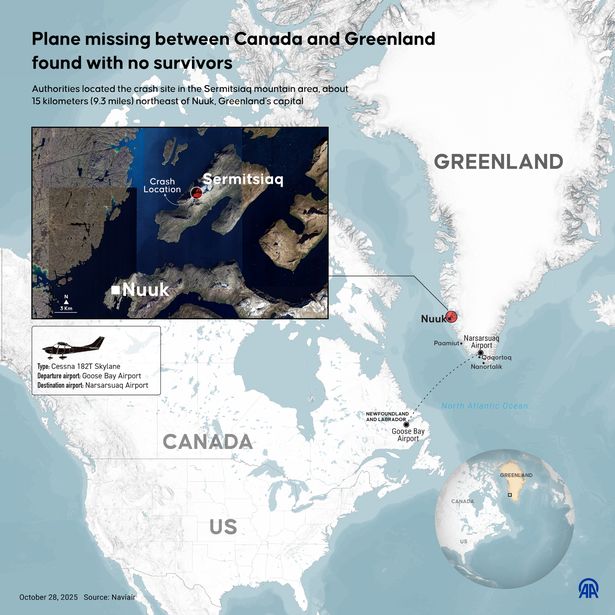
A collapse of the Atlantic would be detrimental not just for Northern Europe(Image: Anadolu via Getty Images)
“(This) is the first time a specific climate-related phenomenon has been formally brought before the National Security Council as a potential existential threat.”
Johannsson said Iceland’s ministries will be on alert and strategizing a response. To do this, the government is conducting additional research and assessing which policies will need to be implemented. Work on a disaster preparedness policy is currently underway in anticipation of a worst-case scenario.
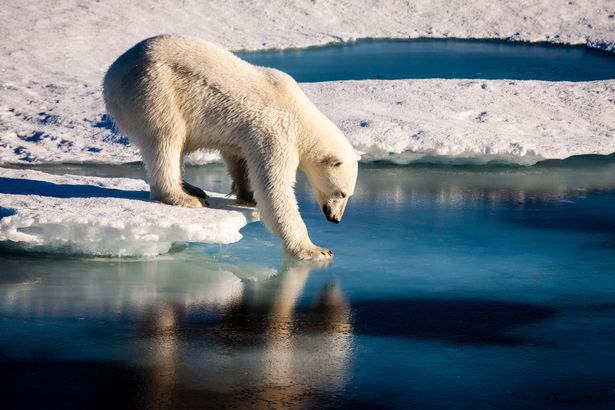
The world may not be taking the situation as seriously as it should, scientists warn(Image: AFP/Getty Images)
Officials take several factors into consideration, including energy and food security, infrastructure and international transport. A collapse of the Atlantic would be detrimental not just for Northern Europe.
Experts say the collapse could disrupt longtime rainfall patterns, which are essential to subsistence farmers across Africa, India and South America.
It could also warm Antarctica substantially as the ice surrounding the southernmost continent and the ice sheets located on top are already in danger of climate change.
Click here to follow the Mirror US on Google News to stay up to date with all the latest news, sports and entertainment stories
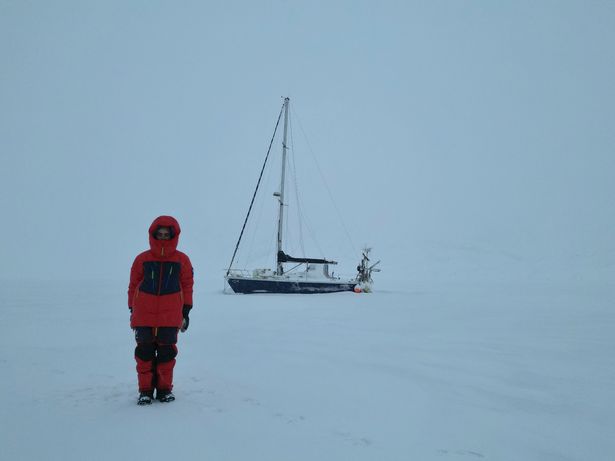
The last time the AMOC collapsed, the Earth was sent into an Ice Age(Image: Courtesy of Tamara Klink/AFP via)
The world may not be taking the situation as seriously as it should, scientists warn, adding that chance of an AMOC collapse could become inevitable within the next few decades as temperatures keep rising.
In October, The Nordic Council of Ministers erected a “Nordic Tipping Week” workshop comprised of 60 experts tasked with assessing how municipalities might be impacted.
“There is tons of research on the likelihood of when exactly things are going to happen,” said Aleksi Nummelin, a physical oceanographer at the Finnish Meteorological Institute.
Sign up to our FREE newsletter and get the top stories to your inbox
DAILY NEWSLETTER: Sign up here to get the latest news and updates from the Mirror US straight to your inbox with our FREE newsletter.