
SOUTH BEND, IN (WSBT) — Your favorite Italian pasta could be disappearing from store shelves or cost you a lot more!
A proposed tariff of 107% could ravage the industry, this comes after a Department of Commerce investigation into 18 Italian pasta companies.
Bamber’s, in South Bend, imports 100% of its pasta stock from Italy. However, they’re not concerned with the proposed tariff that could nearly double the price of the Italian goods.
As the holiday season approaches pasta sales increase too, at Bamber’s.
However, you may not need to rush to the store to stock up just yet, according to importers and wholesalers.
“Back in August, tariffs already went up, so they are done with [importing pasta] them for the year,” said Gene Bamber, Owner of Bamber’s Superette Food Market. “It only got up 15% to begin with. They’re not going to do another 107, they would kill the industry.”
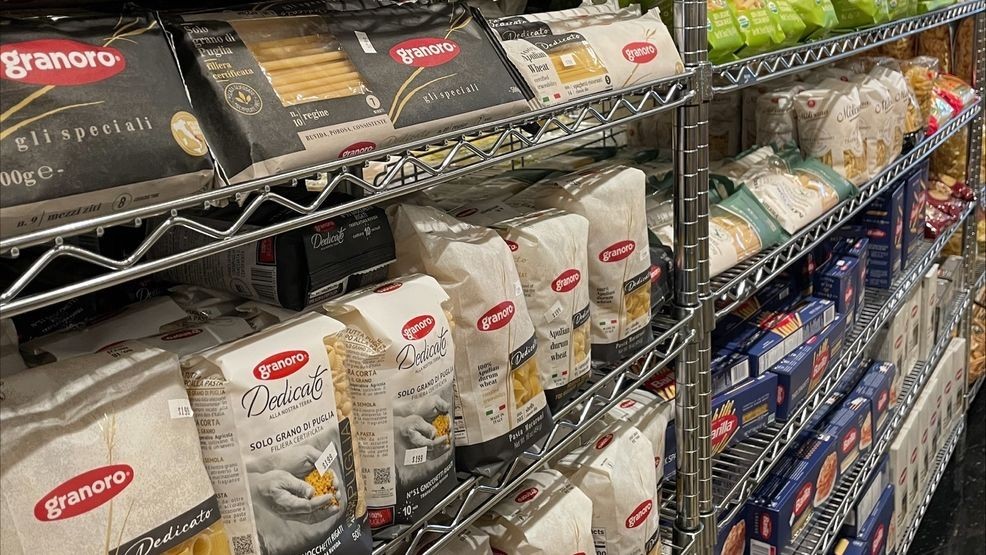
A proposed tariff of 107% could ravage the industry, this comes after a Department of Commerce investigation into 18 Italian pasta companies. (WSBT photo)
A Department of Commerce investigation into Italian pasta brands revealed companies like Garofalo and La Molisana were selling their products at below market price.
A US Anti-dumping law should prevent that.
The investigation targeted 11 other companies and those companies could face an extra 92% tariff.
A 15% tariff went into effect in August on goods imported from the European Union after the US struck a deal with the EU.
“They would stock up ahead of time. So, it wouldn’t hurt restaurants or retailers, right? And if it did forewarning, the salesman would. [if]It really went through, which I doubt, [it would] impact them, the businesses,” said Bamber.
Bamber says many companies have imported all their product for the year.
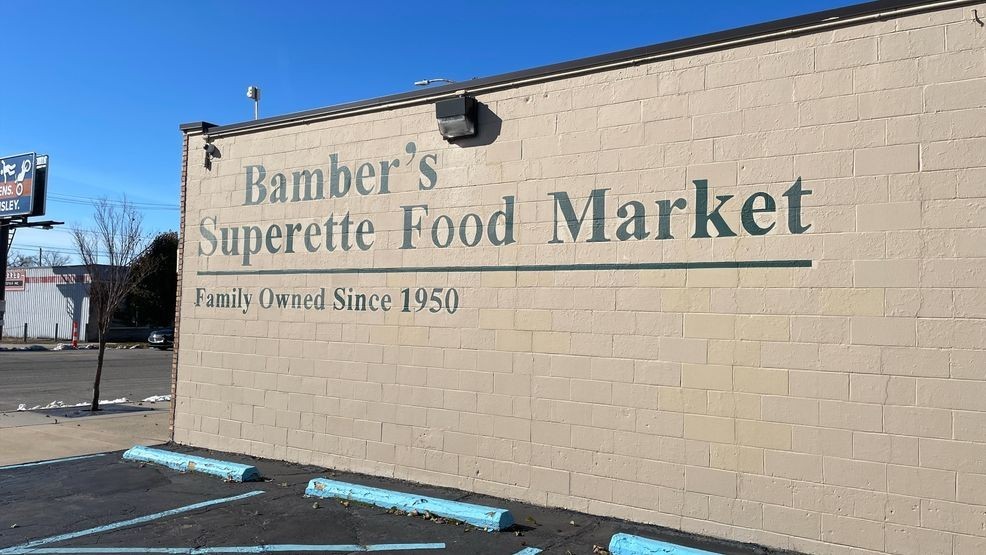
A proposed tariff of 107% could ravage the industry, this comes after a Department of Commerce investigation into 18 Italian pasta companies. (WSBT photo)
However, if the proposed tariff is passed, it would go in to affect at the start of 2026.
Many international companies have built factories in the US in the past few years that can be used to store product as well as possibly delay the price change.
The investigation is still ongoing but if tariffs go into effect, they will affect grocers, importers, wholesalers and companies.
It would not just affect those purchasing the pasta. It would start a chain reaction for both the US and international economies.
There is no word on what Italian-based pasta companies would do if it does pass.