
The City of Ottawa’s draft municipal budget for 2026 hikes taxes by 3.75 per cent and increases transit fares by 2.5 per cent.
In a news conference Wednesday, Mayor Mark Sutcliffe called the plan “fiscally responsible.”
He said Ottawa residents are facing economic anxiety from tariffs and federal job cuts and simply can’t afford “Toronto-style” tax increases.
“The budget we’re presenting today is about stability,” Sutcliffe said ahead of the plan’s official release.
“It’s about bringing a balanced approach. It’s about protecting affordability while investing in what matters to you.”
Standing behind a placard with the words “safe, reliable, affordable,” he said he will “always fight to protect taxpayers during an affordability crisis.”
The draft budget will now go to city committees, where the public can weigh in on the details, before it heads to city council next month for a final vote.

A proposed 2.5 per cent OC Transpo fare hike would see the cost of a monthly adult pass rise by $3.50. (Guy Quenneville/CBC)
$166 for average taxpayer
Sutcliffe called transit a critical area. The 2.5 per cent fare hike is just part of the attempts to fix a chronic revenue shortfall at OC Transpo, which is still grappling with slow ridership growth coming out of the pandemic.
The fare hike would increase the price of an adult monthly fare from $135 to $138.50, and the cost of a single ride from $4 to $4.10. The increase comes in below the five per cent hike council passed last year in the 2025 budget.
The 2026 budget will also increase a property tax levy that funds OC Transpo by eight per cent, the same amount approved last year.
That’s more than the two per cent property tax hike that will fund most other city services, though libraries and Ottawa Public Health will get slightly more.
The 3.75 per cent overall increase is the average of all those rates. It would mean $166 more for the average urban homeowner, or just under $14 a month.

Deputy Chief Steve Bell, chief administrative officer of the Ottawa Police Service, speaks to reporters outside the council chamber Wednesday. (Olivier Plante/CBC)
Police are also getting an outsized boost, with a five per cent increase to their levy.
That is slightly less than the 6.5 per cent ceiling set by council earlier in the fall. Overall, the net operating budget for police is rising by $26.1 million to reach $414.9 million.
Sutcliffe said it will be enough to hire 25 more police officers.
$47M LRT ‘placeholder’
Cyril Rogers, the city’s chief financial officer, said the transit budget includes a “placeholder” of $47 million that assumes the province will upload the LRT. That would follow through on an election commitment from Premier Doug Ford and lock in significant savings, but no deal has yet been signed.
The city used a placeholder to balance the 2025 transit budget during last year’s budget process as well, but the money never came through.
Coun. Glen Gower, who chairs council’s transit committee, said this year is different.
“The difference this year is the amount of confidence,” he said. “Last year we put a placeholder number there and said let’s go and ask for it. This year we have a commitment.”
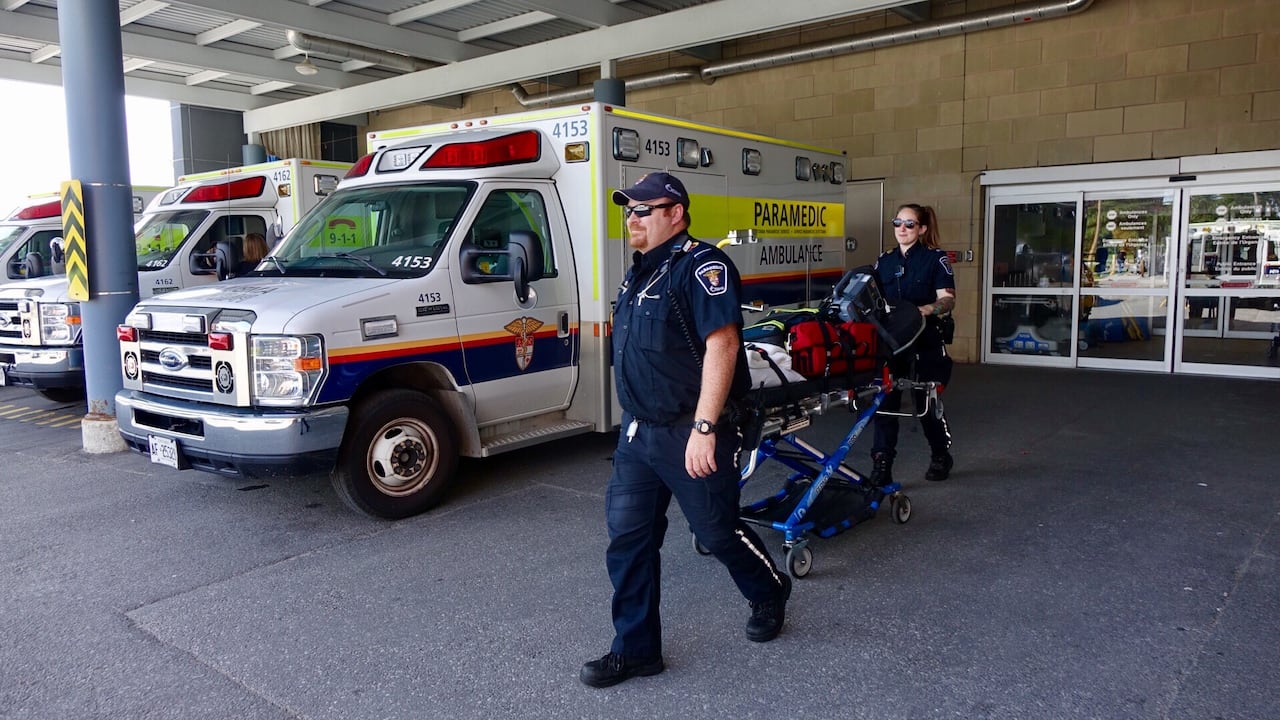
The 2026 draft budget includes money to hire 23 more paramedics. (Ashley Burke/CBC)
Money for key priorities
The draft budget also commits money to a few key priorities. Along with policing and transit, it would fund 23 more paramedics, invest about $23 million to build 350 affordable homes and spend $400,000 to get a jump on the mayor’s pledge to end youth homelessness.
Sutcliffe said that sum is what’s needed this year for the youth homelessness strategy he announced earlier this fall.
“There’s a very clear plan. If we need more money in future budgets we’ll look at that. But this is the money required to support the plan that we have that will achieve the goal,” he said.

Ottawa Mayor Mark Sutcliffe discusses the 2026 draft budget with reporters at Ottawa city hall on Wednesday. (Olivier Plante/CBC)
The draft budget also puts $135 million into road resurfacing, $25.4 million into sidewalk rehabilitation and $75 million to maintain community centres, sports facilities and parks.
Overall, the budget commits $5.2 billion to city operations and $1.9 billion to capital costs, more than the $1.7 billion in the 2025 budget.
Garbage fees will increase by 10 per cent next year, or an extra $24 per year, while rates for water, sewer and stormwater will rise by 4.5 per cent, or $47.30 for the typical user. Both of those increases were set under multi-year plans and were expected long before Wednesday’s budget.
The budget will be the last spending plan before the 2026 municipal election. Sutcliffe used it to cast himself as a wise fiscal steward who has saved taxpayers money by leading a push to find “efficiencies” in one budget after another. This year’s budget reported $44.9 million in efficiencies.
“I think we have a real choice with this budget,” he said. “I think what we’ve demonstrated is we can have low tax increases and big investments in our priorities because we’ve found a quarter billion dollars in savings and efficiencies, and because we’ve attracted record levels of investment from other levels of government.”
Councillors split on tax rate
Coun. Jeff Leiper, who has announced that he’s running against Sutcliffe for the mayor’s seat in next year’s election, criticized what he called a “status quo” budget that doesn’t keep up with the city’s needs.
“When I take a look at the mayor’s insistence on stability I see a status quo approach that is making it more and more difficult for us to provide the services that residents deserve and expect,” he said.
He mentioned bus reliability, road repaving and the opioid crisis as pressing concerns that need more investment.
“The very low tax increase that is being proposed, and that the mayor is touting as one of his successes, is becoming increasingly a problem,” he said.

Coun. Marty Carr called the combination of tax increase and other rate hikes in the 2026 draft budget ‘significant’ but ‘necessary.’ (Olivier Plante/CBC)
But Alta Vista Coun. Marty Carr said the tax increase, combined with other rate hikes, will be a heavier burden than residents have faced in recent years. She called it “significant.”
“This may be a little bit high for some residents, but certainly given what we’ve inherited, I think it’s necessary,” she said. “I certainly think that this budget will deal with our most pressing issues, which are transit and police.”
Gower called the 3.75 number “about right.”
“We hear from residents who have a lot of cost-of-living concerns, so they would like that top number to be as low as possible,” he said. “But there’s also some important challenges facing the city whether it’s around affordable housing, whether it’s around community safety, whether it’s around transit and transportation.”