The Pacific War, like the war in China, was a war without mercy. The only thing worse than being killed by bombs or bullets was to be captured alive by the Japanese.
>The dogged resistance enraged Japanese soldiers, who massacred at least 157 British and Canadian prisoners by bayonet, beheading, and in some cases burning alive (the flame-enshrouded victims “cried like a lot of pigs,” noted a Japanese corporal).
>The incensed Japanese leveled cruel vengeance by beheading the men from the batteries and tying the others together to drown or be eaten by crocodiles.
>In April 1942, the Kempetai managed to round up two hundred Allied soldiers who attempted to maintain resistance. They were placed in three foot-long-long bamboo pig baskets and transported to Surabaya. From there, they were taken out to sea and, still in the baskets, tossed into the shark-infested waters.
– Richard Frank, on some of the numerous atrocities Imperial Japan’s armies committed in the 1942 offensives
The feeling was mutual.
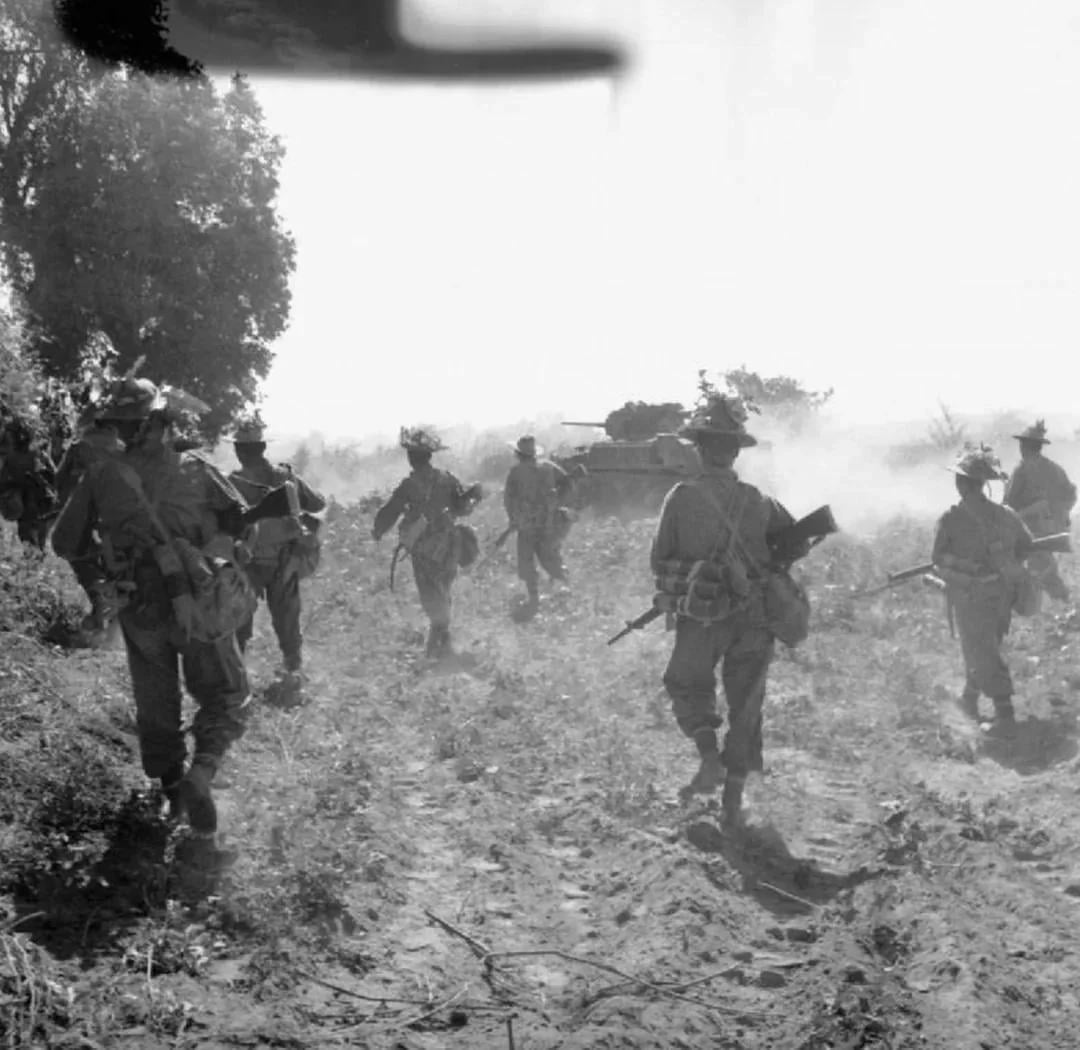
>”Lieutenant General Slim’s armies were known for their pitiless treatment of any Japanese they might fight in their advance: the enemy was to be killed, not captured. British forces killed 80,000 Japanese soldiers in Burma.
– Rana Mitter, on British policies on POWs in Burma
2,000,000 to 3,000,000 Chinese soldiers died between 1937 and 1945. America lost 110,000 soldiers, Marines and sailors, the majority in 1944-1945. 100,000 Commonwealth (mostly Indian) and Australian soldiers died in Burma, Malaya and New Guinea. Adding 30,000 Red Army soldiers, 30,000 Filipino soldiers, and guerrilla losses across Indochina and Indonesia, total Allied military deaths range between 2,500,000 and 3,500,000.
2,200,000 Japanese soldiers and sailors died in the Pacific War, the majority of starvation and disease. Another 400,000 collaborators (mostly from Wang Jingwei’s government) died in service to fear or genuine collaboration.
At a conservative estimate, 12,000,000 Chinese civilians died between 1937 and 1945, most to famines and genocide. Higher estimates place the numbers at 20,000,000. Another 4,000,000 Indonesian civilians died, mostly in the Java famine and slave labor projects. 2,000,000 Vietnamese died, most in the famine ravaging the Red River Delta. 3,000,000 Indian civilians died in the Bengal Famine. 1,000,000 Japanese civilians died of hunger and American firebombing. Combined with 500,000 Filipinos, 200,000 Burmese, 100,000 Malaysians and 150,000 Okinawans, total civilian deaths in the Pacific War come to roughly 24,000,000.
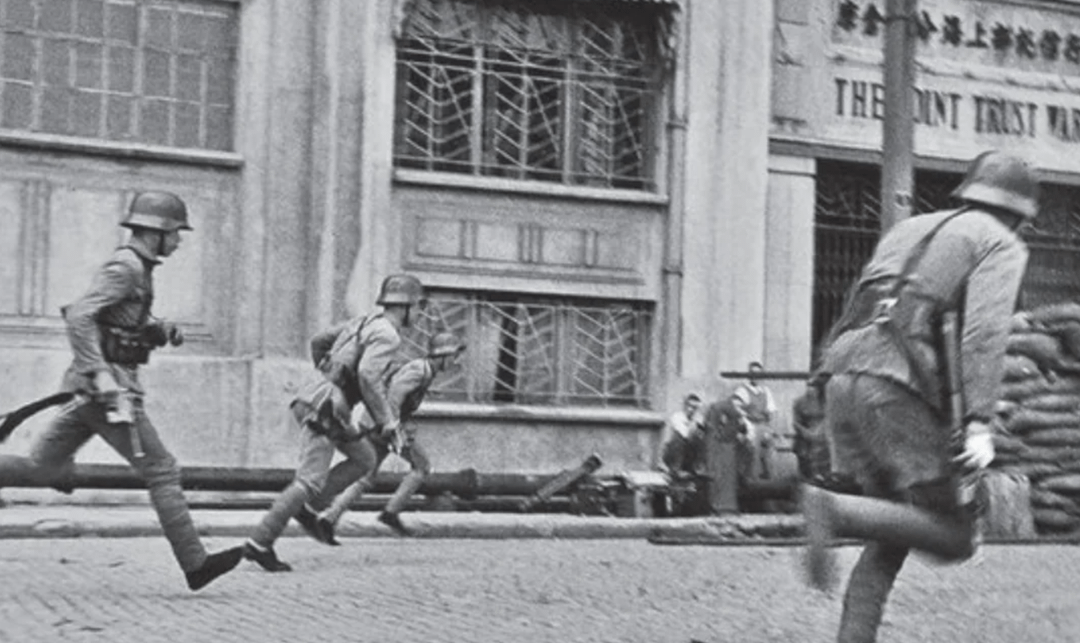
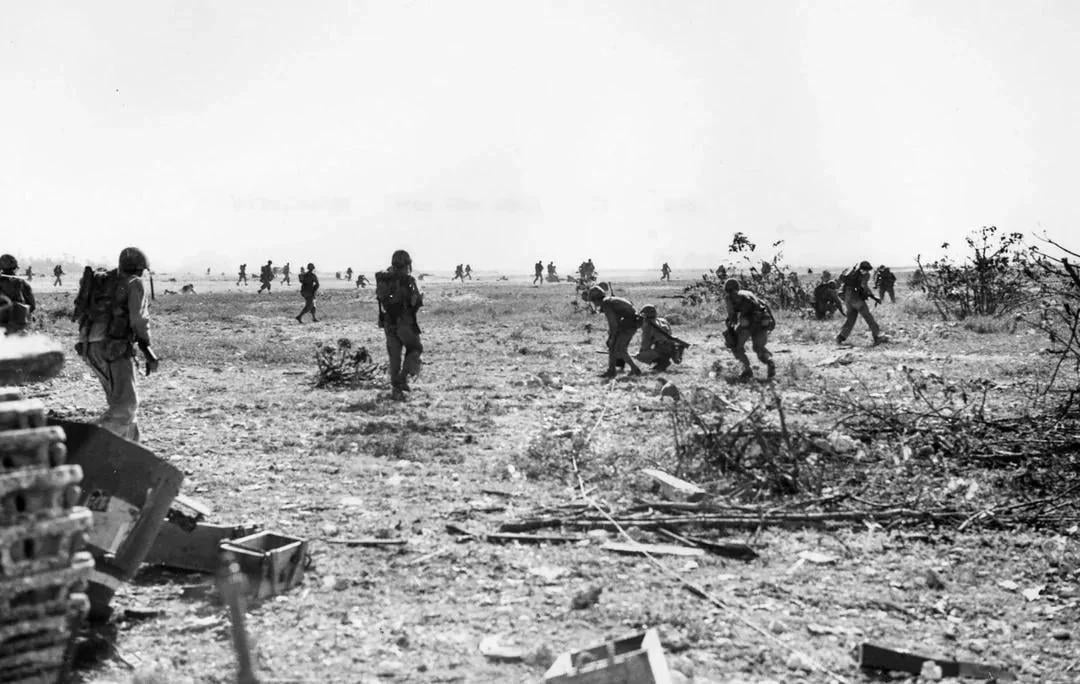
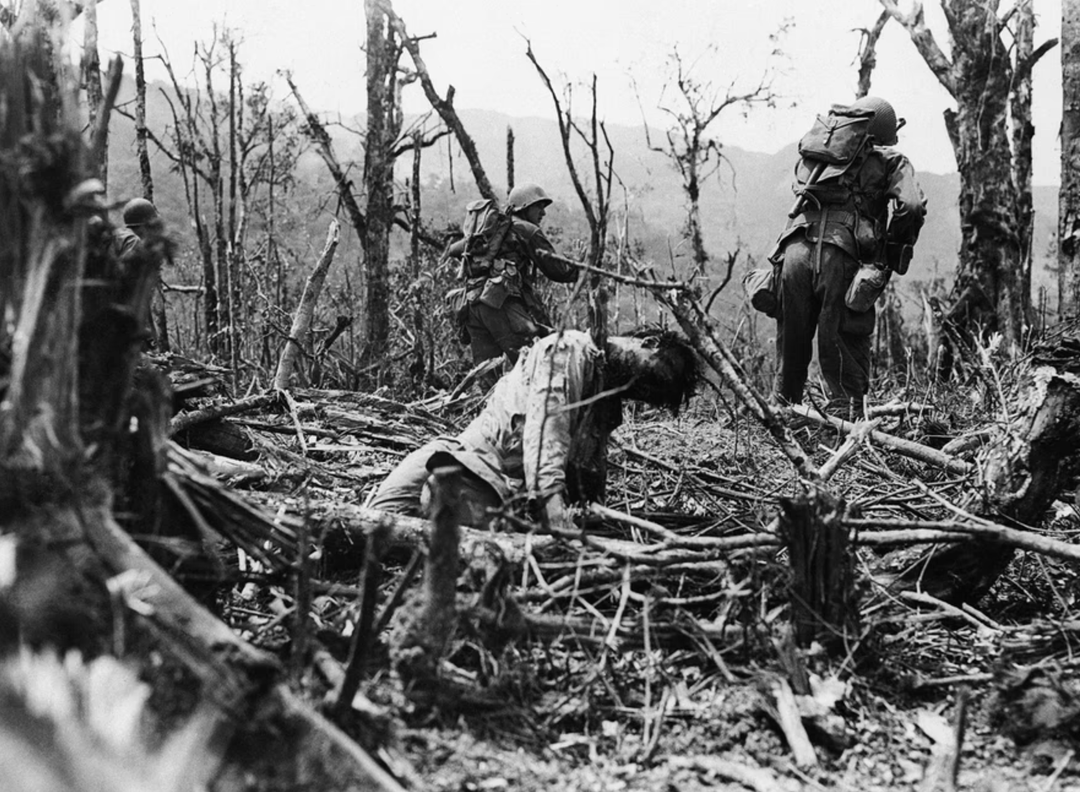
Pic 1: Guy on the left carrying a Mauser C96?
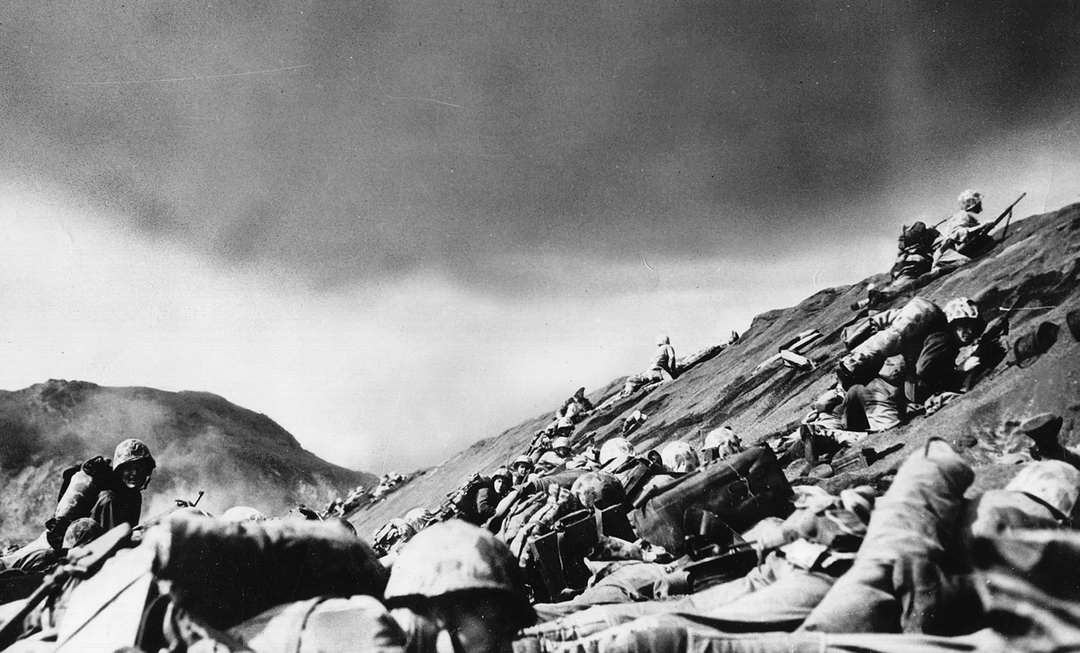
Pic 11: That is not the hole to be in that day…
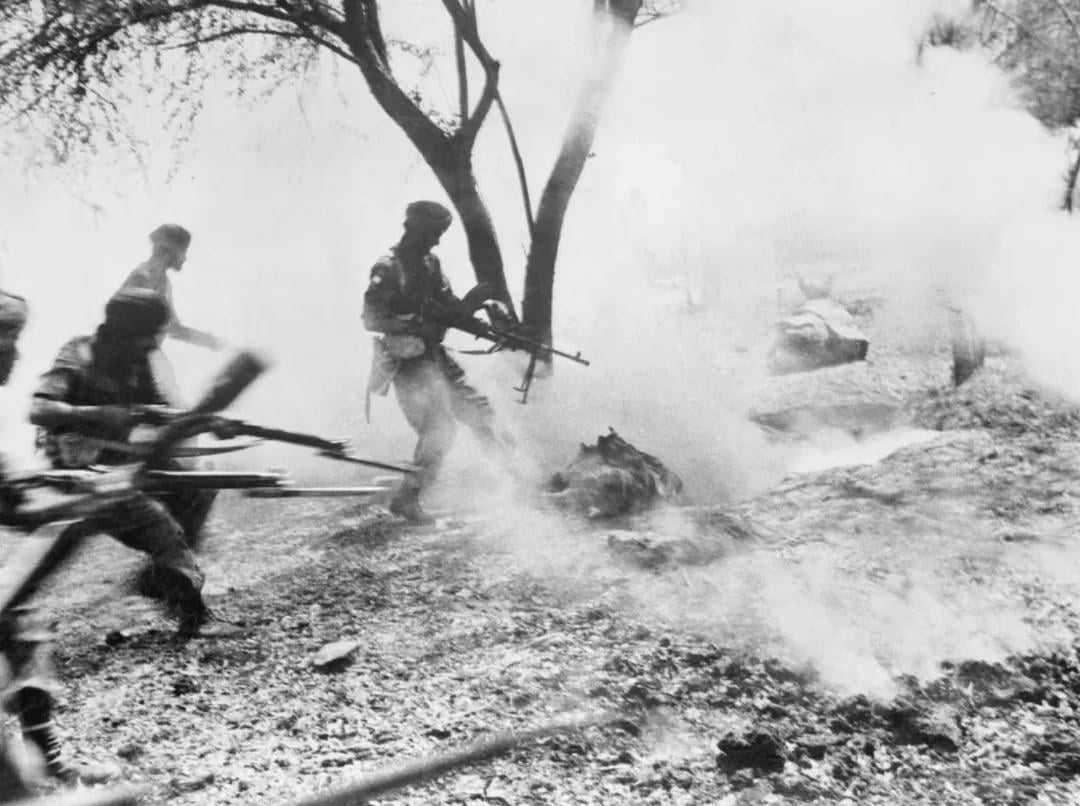
The quote about Slim’s troops reminds me of a great anecdote from his excellent memoir, *Defeat Into Victory*. Slim was visiting the front where the Gurkhas had just made a successful attack and were collecting the dead Japanese for burial in a mass grave. To Slim’s shock, he saw a Gurkha pull out his kukri to behead a wounded Japanese soldier. He told the Gurkha to stop and the Gurkha, horrified, replied: “But sahib, we cannot bury him alive!”
It goes to show how ingrained the expectation of no quarter was in the Pacific War.
TIL that the Japanese tried to invade east India. Never knew that. Always enjoy these posts OP, thanks.
This was very well researched and interesting to read. 👏 Love the focus on multiple fronts.
Japanese were worse than Nazis
They were basically ISIS levels of comic book villain
Currently at work listening to Dan Carlin’s supernova in the east (for the like… fifth time). These pictures are very fitting for the content. Right now he’s talking about Midway. Absolutely crazy conflict.
Book by E.B Sledge “with the old breed” who served on Pelelui and Okinawa, said that the Pelelui airfield push was the scariest/most terrifying event in his time as a marine.
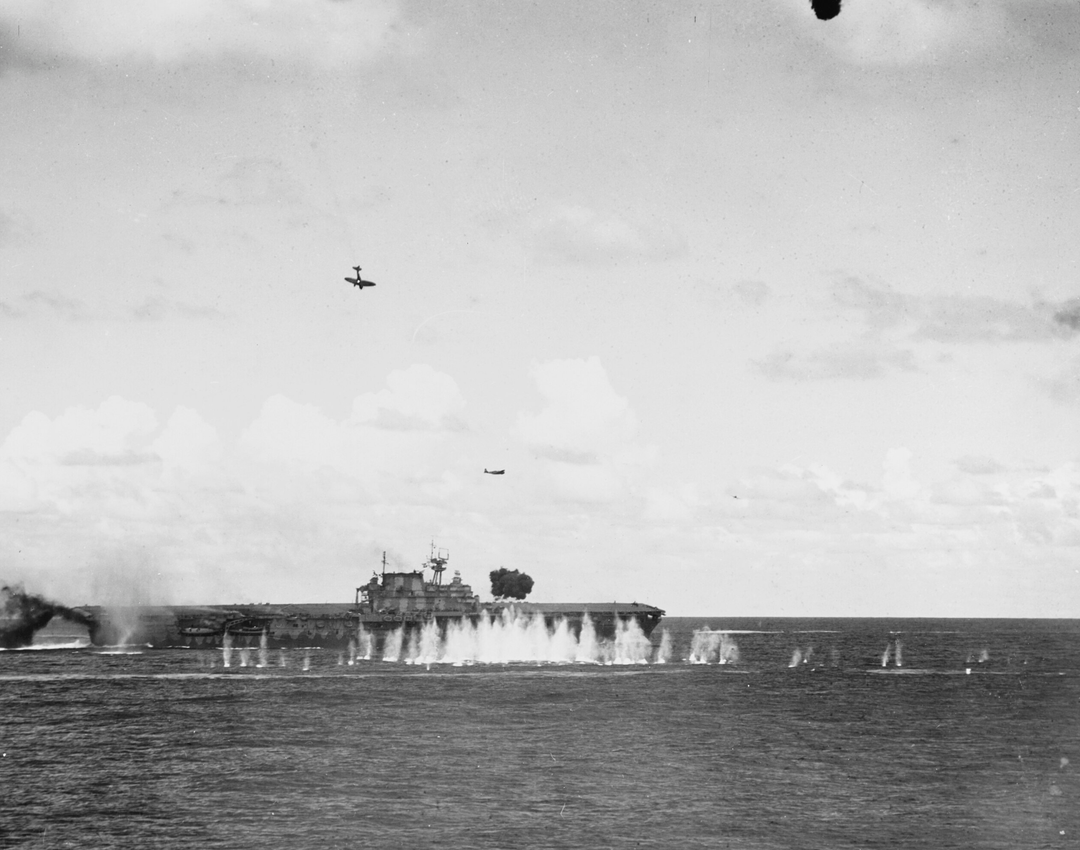
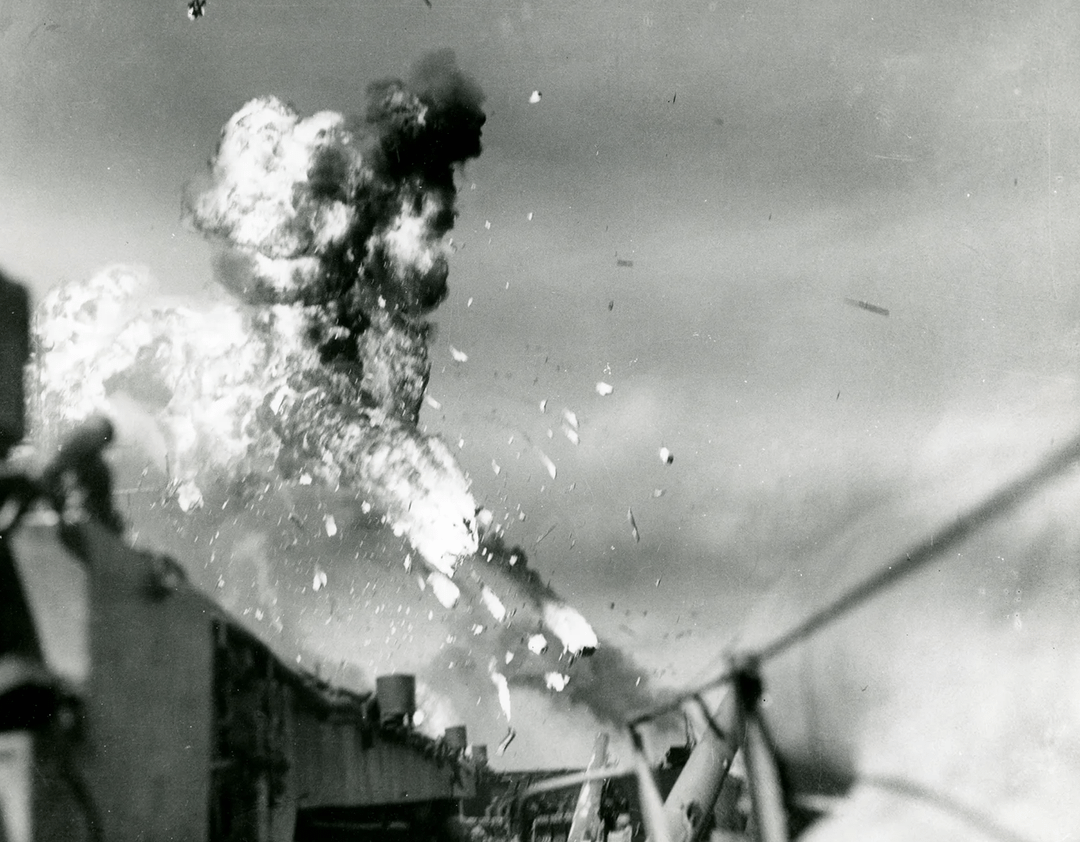
For picture 15, I’ve been aboard USS Intrepid, which is now a museum ship in New York. There’s an exhibit placed in the exact spot where one of the kamikaze planes crashed in the hangar. This one looks like a hit on the gun positions, which was rather minor, but a month later they would be hit by two more, which caused a large fire and killed 69 men. The exhibit is quite poignant
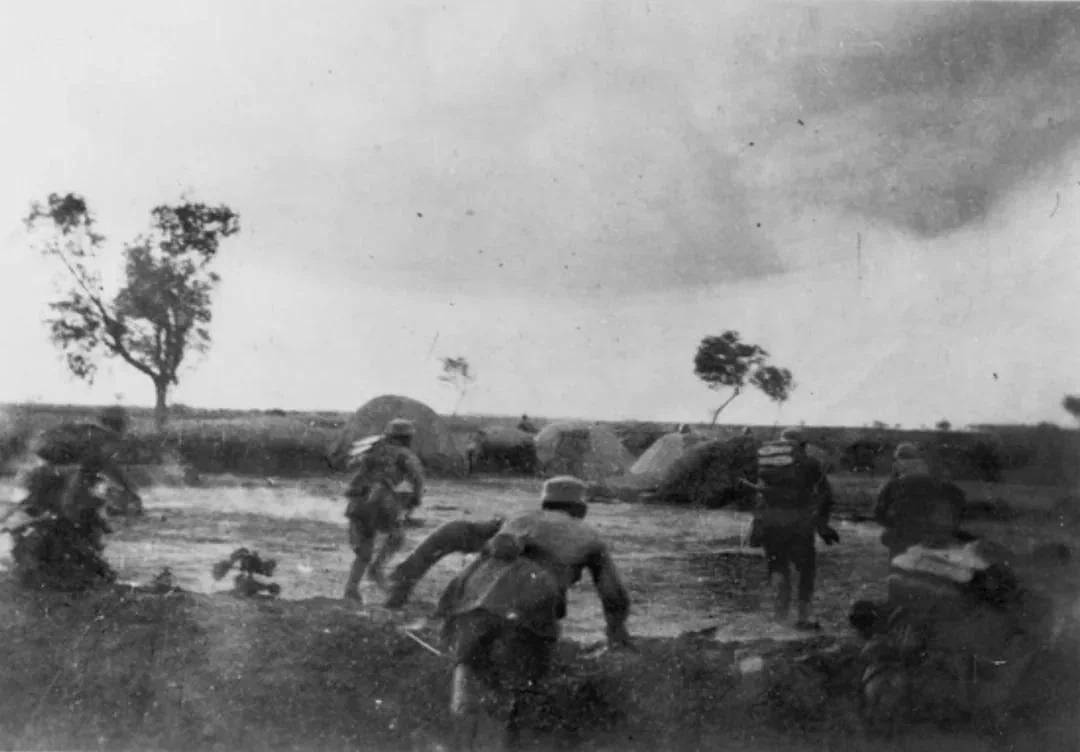
After reading the title I did a double take on the first image when I saw the helmets.
30 million dead, 24 million civilians dead.
WW2 really is an incomprehensible conflict from certain angles. Goddamn.
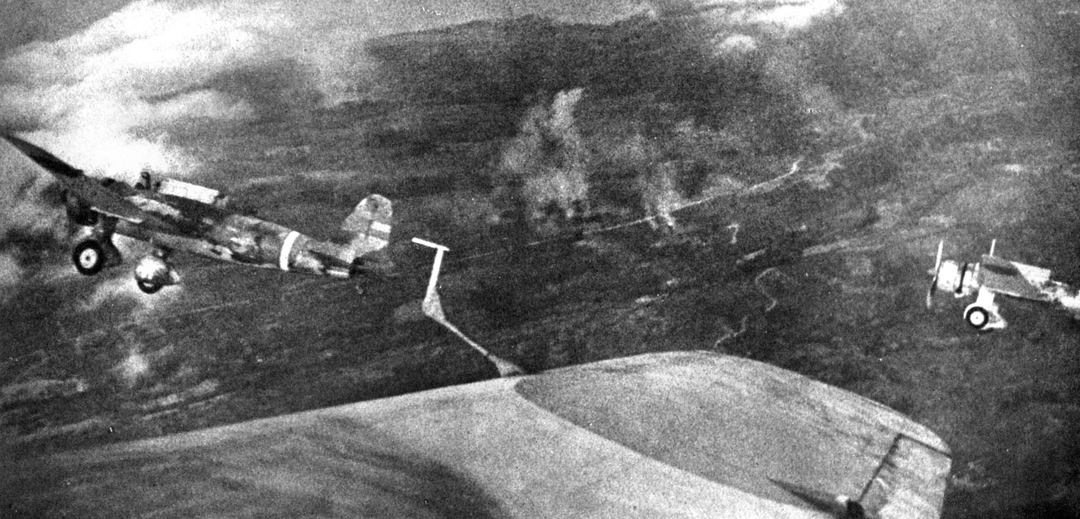
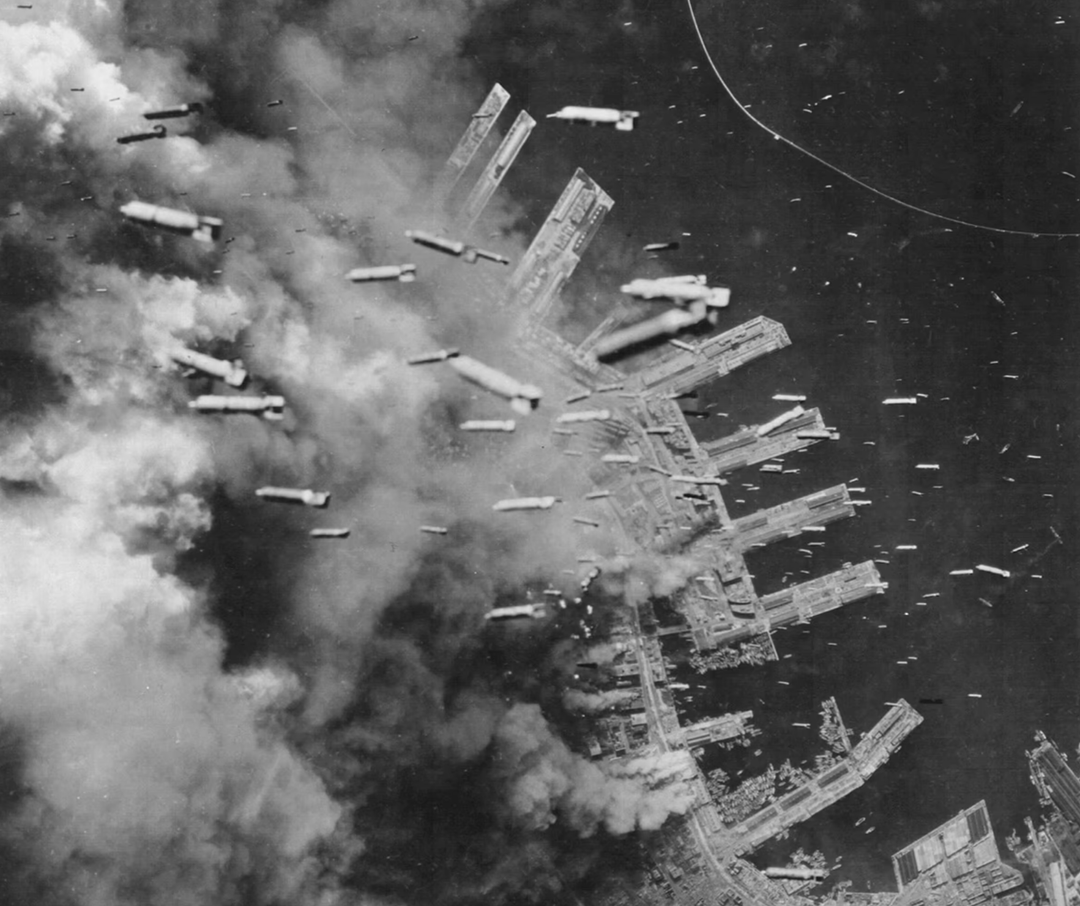
That picture of all those bombs is horrifying imo just think about being on the ground watching all those planes drop their payload at once knowing no matter if you run or not you’re about feel dozens of bombs go off around you.
Wild to see some of these. I was just in Kobe last month, and seeing #18 hit hard, [being right there at the bottom-right at the Kobe Port Tower](https://i.imgur.com/QYfqMJB.jpeg) and seeing how it looked getting bombed.
My Chinese grandpa told stories about when his father was running away from the Japanese, his father was always on the move and they ended up in Northern Vietnam despite being originally from Guangdong. He hates the Japanese to this day for never admitting their atrocities.
You know what ultimately characterizes both the Germans and Japanese?
They were death cults.
The SS, as well as the German attitude as a whole, had a death cult mentality. Slavs and Jews were subhuman. Those who stand in the way, or even those we think stand in the way, or those who are tangentially related to the people who stand in the way, are to be tortured and killed in horrific fashion. See the Das Reich division.
For the Japanese, dying for the emperor was an ecstatic possibility. All other races were inferior. Anyone who surrendered was despicable, we, the Japanese, would never do that.
Hamas is arguably a death cult. A certain swath of Islamic fundamentalism is arguably also a death cult.
The amount of deaths, especially civilian, is always staggering
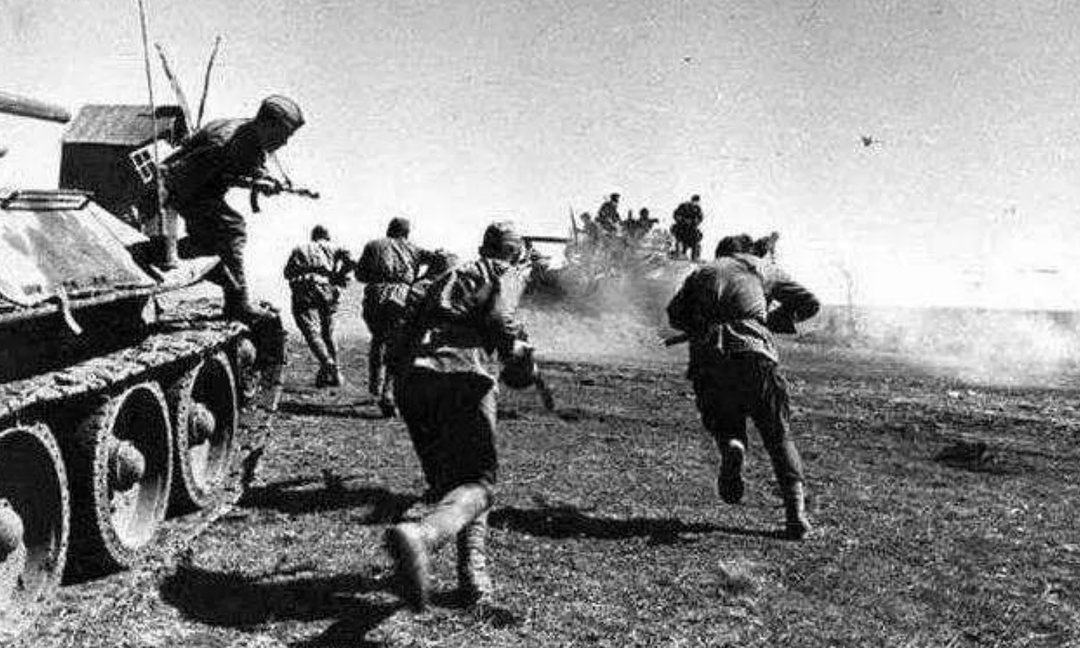
The arrival in July of 1.5 million Soviet troops in Manchuria, was one of the key drivers of Japan’ surrender. They destroyed a Japanese army there which was considered the best remaining army they had.
To this day, the Japanese don’t teach about one of the single worst acts humanity has ever committed, the rape of Nanking. And while not an official position, but very much an unofficial and cultural position, they still deny the institutionalized use of “comfort women” (sex slaves, Chinese or Korean women, often children, who are forced into sex slavery by the Japanese military/gov, it is very well documented) and this issue in particular has caused rifts between Japan and South Korea.
Germany has done a decent job about teaching their faults, especially during ww2, Japan on the other hand, still views and teaches themselves as overall victims in ww2. This is similar to how the US doesn’t teach about US warcrimes (for the most part) but it is worse imo level because the brutality of the Japanese was on a much greater level.
19 comments
The Pacific War, like the war in China, was a war without mercy. The only thing worse than being killed by bombs or bullets was to be captured alive by the Japanese.
>The dogged resistance enraged Japanese soldiers, who massacred at least 157 British and Canadian prisoners by bayonet, beheading, and in some cases burning alive (the flame-enshrouded victims “cried like a lot of pigs,” noted a Japanese corporal).
>The incensed Japanese leveled cruel vengeance by beheading the men from the batteries and tying the others together to drown or be eaten by crocodiles.
>In April 1942, the Kempetai managed to round up two hundred Allied soldiers who attempted to maintain resistance. They were placed in three foot-long-long bamboo pig baskets and transported to Surabaya. From there, they were taken out to sea and, still in the baskets, tossed into the shark-infested waters.
– Richard Frank, on some of the numerous atrocities Imperial Japan’s armies committed in the 1942 offensives
The feeling was mutual.
>”Lieutenant General Slim’s armies were known for their pitiless treatment of any Japanese they might fight in their advance: the enemy was to be killed, not captured. British forces killed 80,000 Japanese soldiers in Burma.
– Rana Mitter, on British policies on POWs in Burma
2,000,000 to 3,000,000 Chinese soldiers died between 1937 and 1945. America lost 110,000 soldiers, Marines and sailors, the majority in 1944-1945. 100,000 Commonwealth (mostly Indian) and Australian soldiers died in Burma, Malaya and New Guinea. Adding 30,000 Red Army soldiers, 30,000 Filipino soldiers, and guerrilla losses across Indochina and Indonesia, total Allied military deaths range between 2,500,000 and 3,500,000.
2,200,000 Japanese soldiers and sailors died in the Pacific War, the majority of starvation and disease. Another 400,000 collaborators (mostly from Wang Jingwei’s government) died in service to fear or genuine collaboration.
At a conservative estimate, 12,000,000 Chinese civilians died between 1937 and 1945, most to famines and genocide. Higher estimates place the numbers at 20,000,000. Another 4,000,000 Indonesian civilians died, mostly in the Java famine and slave labor projects. 2,000,000 Vietnamese died, most in the famine ravaging the Red River Delta. 3,000,000 Indian civilians died in the Bengal Famine. 1,000,000 Japanese civilians died of hunger and American firebombing. Combined with 500,000 Filipinos, 200,000 Burmese, 100,000 Malaysians and 150,000 Okinawans, total civilian deaths in the Pacific War come to roughly 24,000,000.
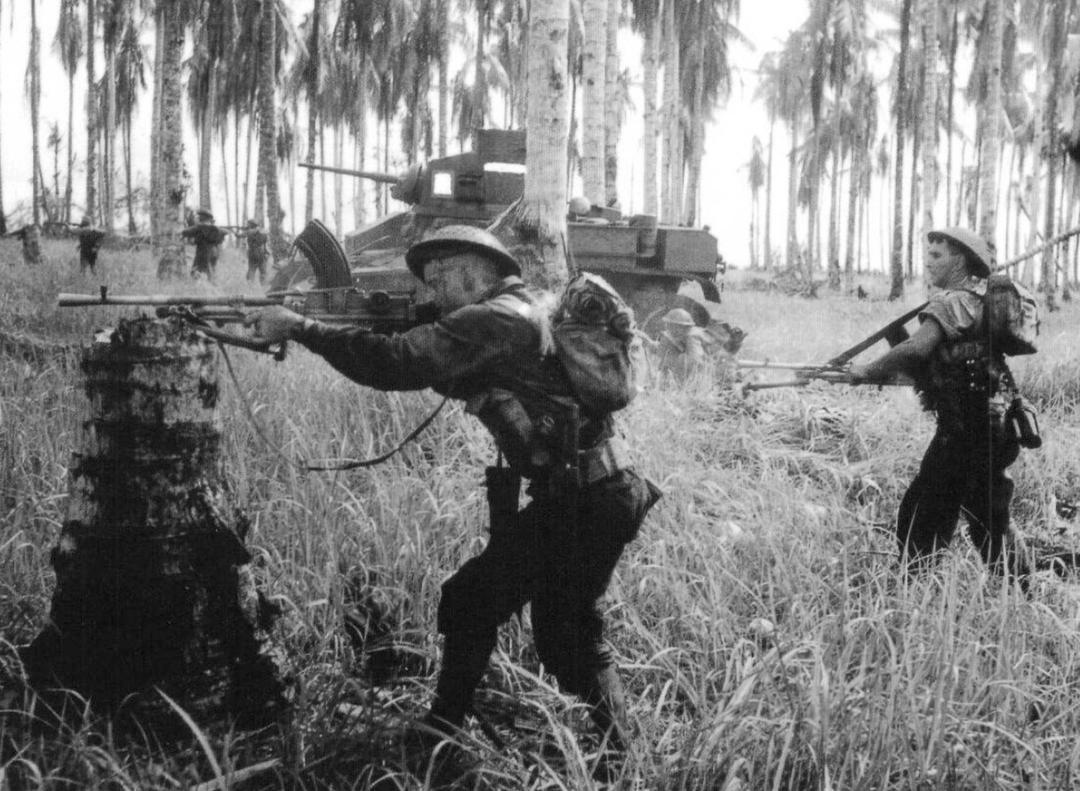
Pic 1: Guy on the left carrying a Mauser C96?
Pic 11: That is not the hole to be in that day…
The quote about Slim’s troops reminds me of a great anecdote from his excellent memoir, *Defeat Into Victory*. Slim was visiting the front where the Gurkhas had just made a successful attack and were collecting the dead Japanese for burial in a mass grave. To Slim’s shock, he saw a Gurkha pull out his kukri to behead a wounded Japanese soldier. He told the Gurkha to stop and the Gurkha, horrified, replied: “But sahib, we cannot bury him alive!”
It goes to show how ingrained the expectation of no quarter was in the Pacific War.
TIL that the Japanese tried to invade east India. Never knew that. Always enjoy these posts OP, thanks.
This was very well researched and interesting to read. 👏 Love the focus on multiple fronts.
Japanese were worse than Nazis
They were basically ISIS levels of comic book villain
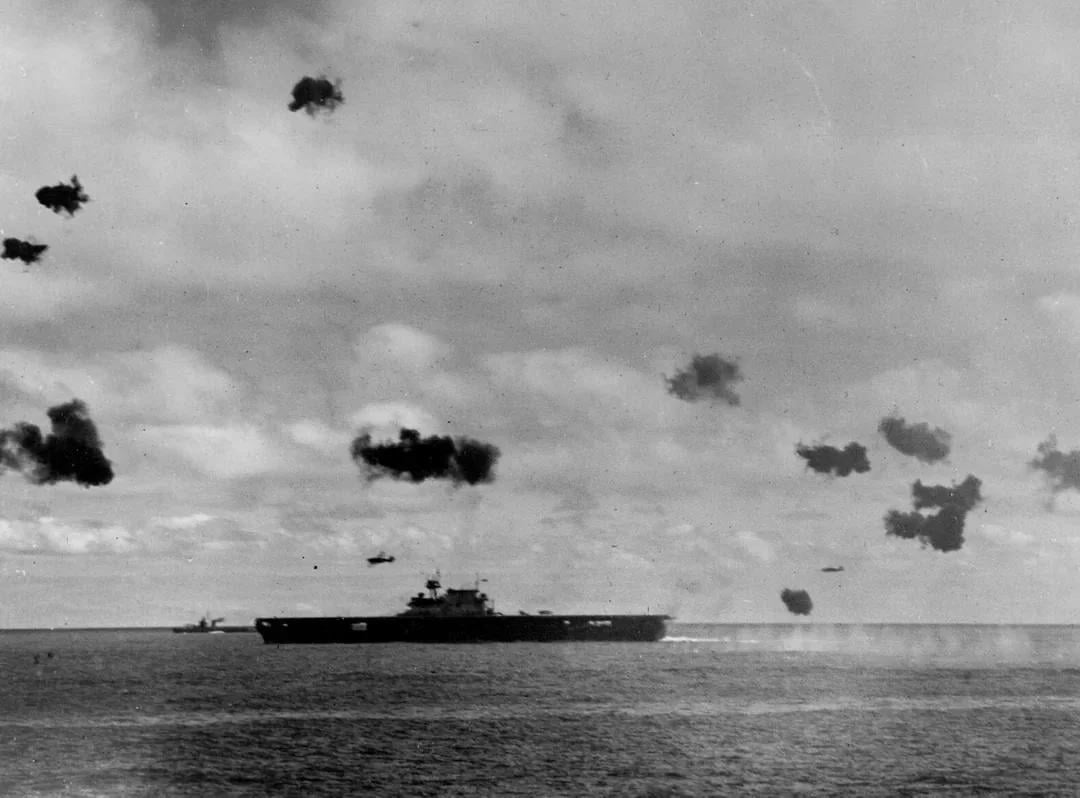
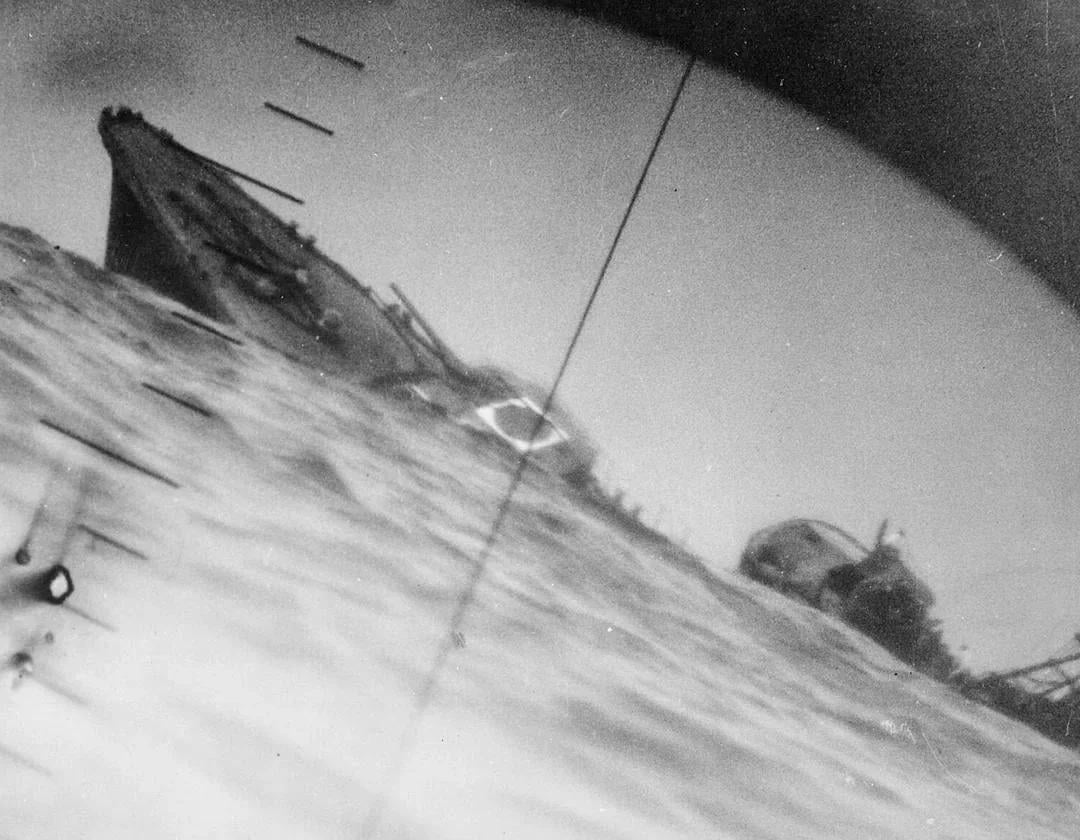
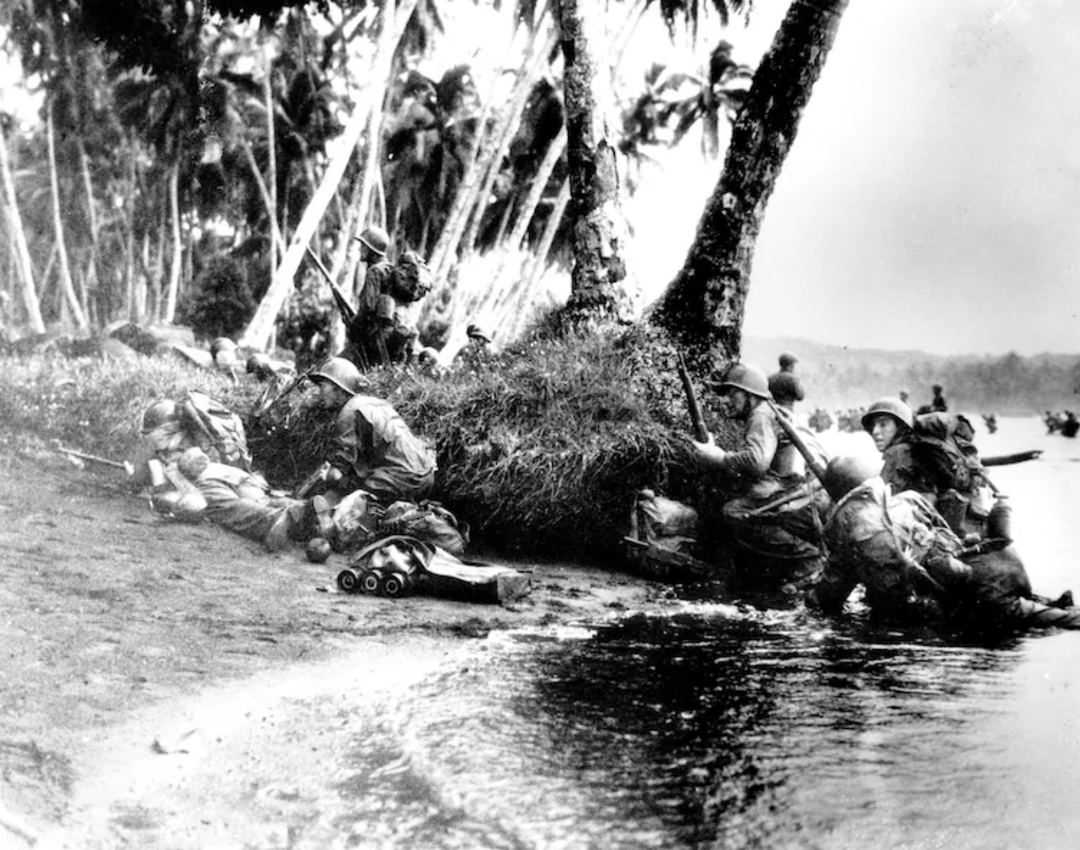
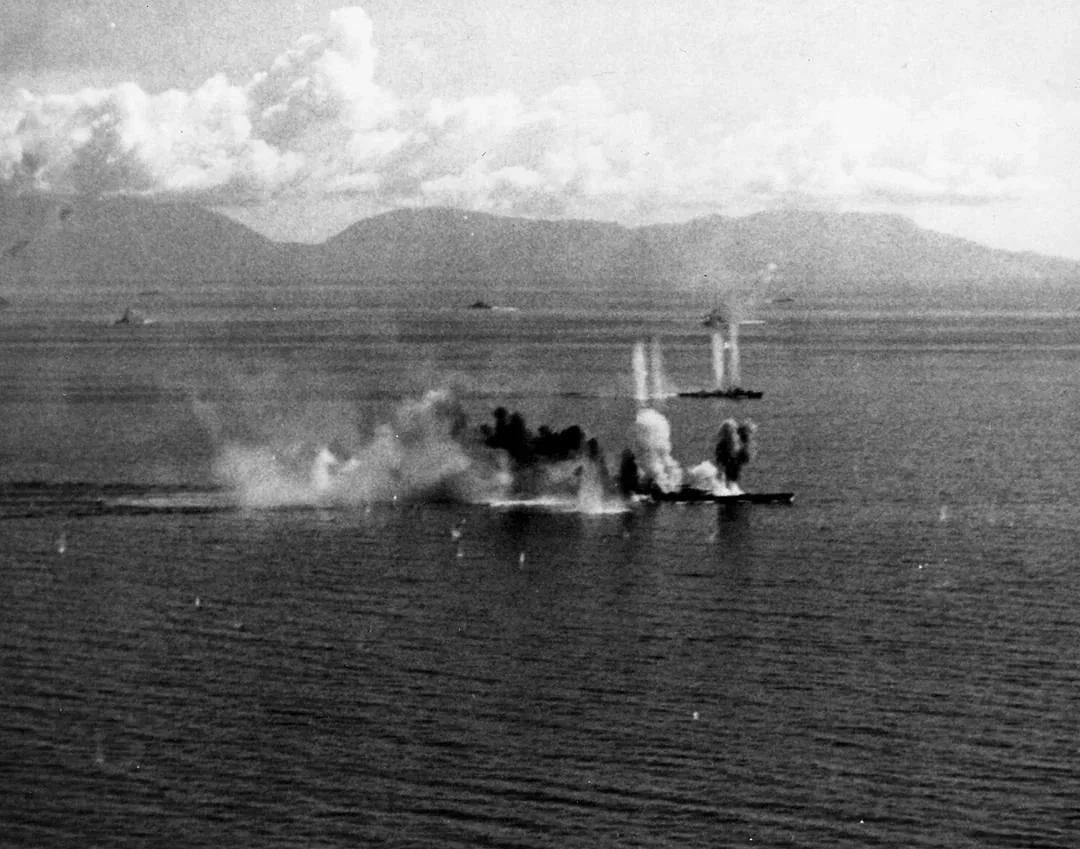
Currently at work listening to Dan Carlin’s supernova in the east (for the like… fifth time). These pictures are very fitting for the content. Right now he’s talking about Midway. Absolutely crazy conflict.
Book by E.B Sledge “with the old breed” who served on Pelelui and Okinawa, said that the Pelelui airfield push was the scariest/most terrifying event in his time as a marine.
For picture 15, I’ve been aboard USS Intrepid, which is now a museum ship in New York. There’s an exhibit placed in the exact spot where one of the kamikaze planes crashed in the hangar. This one looks like a hit on the gun positions, which was rather minor, but a month later they would be hit by two more, which caused a large fire and killed 69 men. The exhibit is quite poignant
After reading the title I did a double take on the first image when I saw the helmets.
30 million dead, 24 million civilians dead.
WW2 really is an incomprehensible conflict from certain angles. Goddamn.
That picture of all those bombs is horrifying imo just think about being on the ground watching all those planes drop their payload at once knowing no matter if you run or not you’re about feel dozens of bombs go off around you.
Wild to see some of these. I was just in Kobe last month, and seeing #18 hit hard, [being right there at the bottom-right at the Kobe Port Tower](https://i.imgur.com/QYfqMJB.jpeg) and seeing how it looked getting bombed.
My Chinese grandpa told stories about when his father was running away from the Japanese, his father was always on the move and they ended up in Northern Vietnam despite being originally from Guangdong. He hates the Japanese to this day for never admitting their atrocities.
You know what ultimately characterizes both the Germans and Japanese?
They were death cults.
The SS, as well as the German attitude as a whole, had a death cult mentality. Slavs and Jews were subhuman. Those who stand in the way, or even those we think stand in the way, or those who are tangentially related to the people who stand in the way, are to be tortured and killed in horrific fashion. See the Das Reich division.
For the Japanese, dying for the emperor was an ecstatic possibility. All other races were inferior. Anyone who surrendered was despicable, we, the Japanese, would never do that.
Hamas is arguably a death cult. A certain swath of Islamic fundamentalism is arguably also a death cult.
The amount of deaths, especially civilian, is always staggering
The arrival in July of 1.5 million Soviet troops in Manchuria, was one of the key drivers of Japan’ surrender. They destroyed a Japanese army there which was considered the best remaining army they had.
To this day, the Japanese don’t teach about one of the single worst acts humanity has ever committed, the rape of Nanking. And while not an official position, but very much an unofficial and cultural position, they still deny the institutionalized use of “comfort women” (sex slaves, Chinese or Korean women, often children, who are forced into sex slavery by the Japanese military/gov, it is very well documented) and this issue in particular has caused rifts between Japan and South Korea.
Germany has done a decent job about teaching their faults, especially during ww2, Japan on the other hand, still views and teaches themselves as overall victims in ww2. This is similar to how the US doesn’t teach about US warcrimes (for the most part) but it is worse imo level because the brutality of the Japanese was on a much greater level.
Comments are closed.