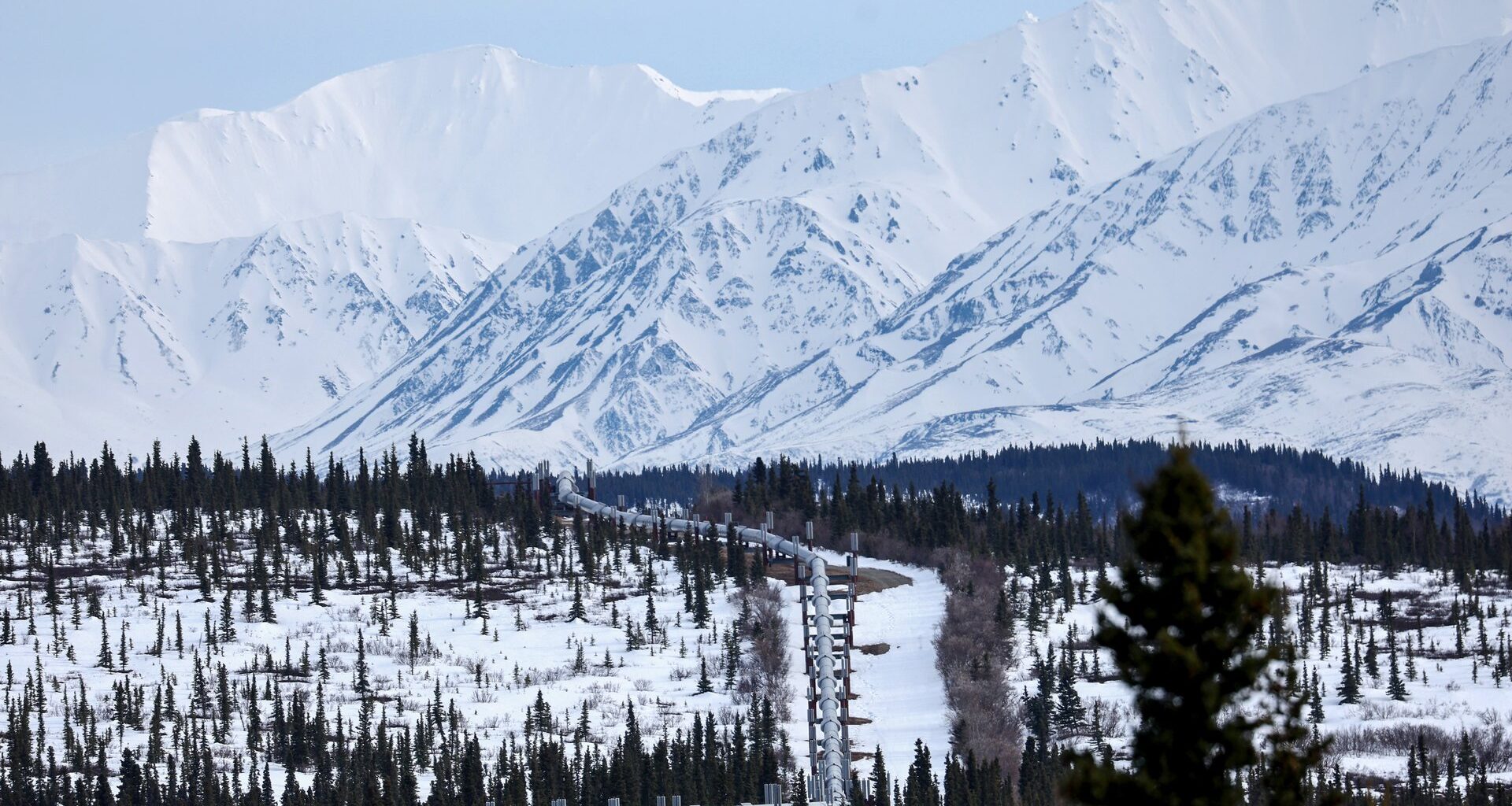
The Trump administration plans to allow oil and gas development across millions of acres in Alaska’s North Slope that were restricted under the Biden administration. The decision announced Thursday by the Interior Department opens the 23-million-acre National Petroleum Reserve-Alaska for drilling and mining.
The rule reverses protections put in place in May 2024 that limited drilling in five designated Special Areas covering more than 13 million acres. These areas include Teshekpuk Lake, Kasegaluk Lagoon, Utukok River Uplands, Colville River and Pearce Bay.
In rescinding the Biden-era regulations, the Interior Department returned to management guidelines originally established in 1977, making it significantly easier to permit drilling and mining operations. This marks the latest step in the Trump administration’s push to focus U.S. energy policy on oil, gas and coal, after Biden prioritized renewable energy and environmental conservation.
“This action restores common-sense management and ensures responsible development benefits both Alaska and the nation,” said Interior Secretary Doug Burgum in a press release. Burgum added that the action will “create jobs for North Slope communities and strengthen American energy security.”
A final rule will be published in the Federal Register on Nov. 17, the Interior Department said.
The National Petroleum Reserve-Alaska sits about 600 miles north of Anchorage. It is the largest single tract of public land in the United States and provides habitat for grizzly and polar bears, caribou and thousands of migratory birds.
Congress set aside the reserve in 1923 as an emergency petroleum supply. In 1976, Congress authorized commercial development while requiring protection of fish, wildlife and habitat.
Alaska Republican officials celebrated the announcement. Gov. Mike Dunleavy called it “yet another step in the right direction for Alaska and American energy dominance,” according to the New York Times. Sen. Dan Sullivan described it as “a new day filled with opportunity for Alaskans.”
Environmental organizations said they will challenge the changes in court. In a press release, Erik Grafe, an attorney with Earthjustice, called the action “another example of how the Trump administration is trying to take us back in time with its reckless fossil fuels agenda.”
Nearly 55,000 people submitted comments opposing the repeal during the 60-day comment period, according to Earthjustice.
Monica Scherer of the Alaska Wilderness League accused the Interior Department of “sidelining science and traditional knowledge, silencing communities and putting irreplaceable lands and wildlife at risk,” the Times reported.