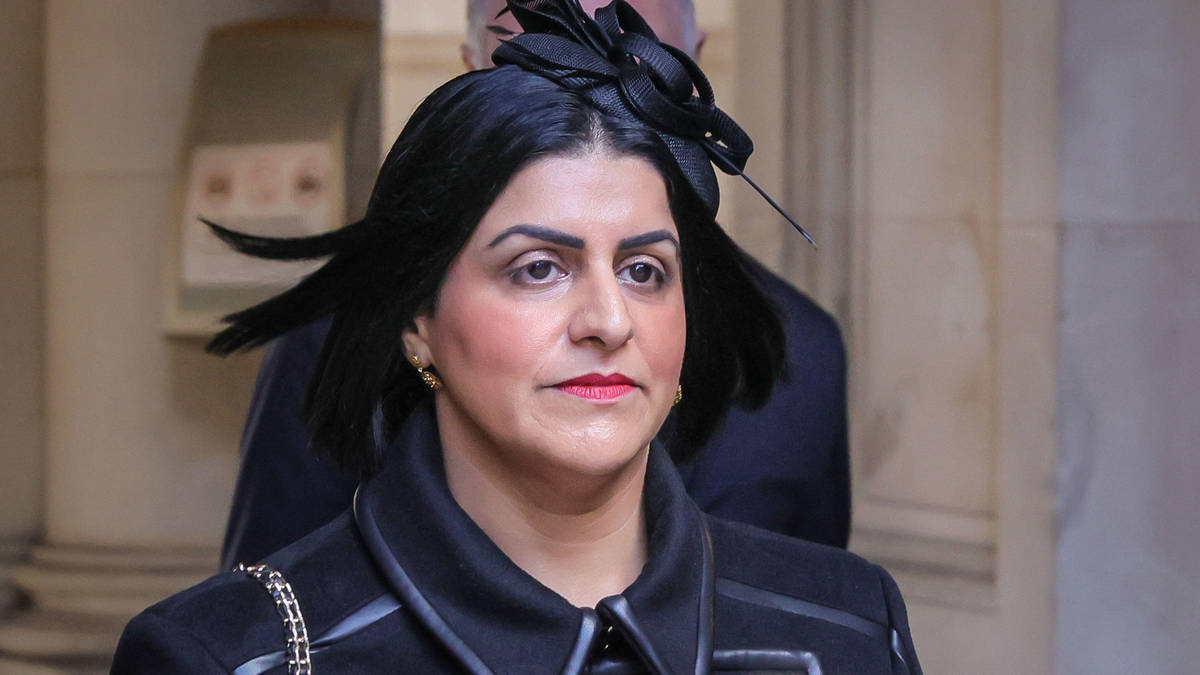
Shabana Mahmood is to make refugee status temporary in the biggest asylum rules shakeup in decades
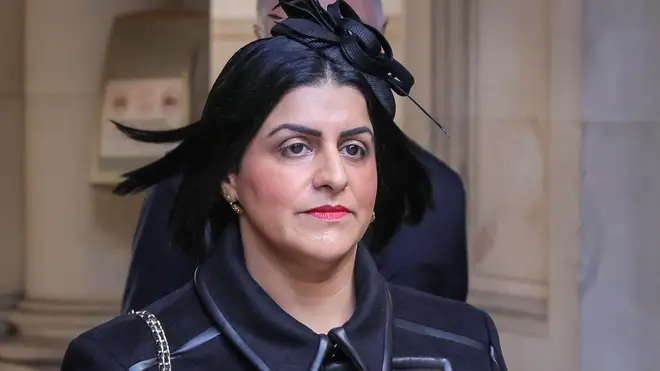
Shabana Mahmood, Home Secretary, seen walking towards the Remembrance Sunday ceremony in Westminster, is set to tighten asylum conditions in the UK on Monday.
Picture:
Alamy
Home Secretary Shabana Mahmood is set to shake-up asylum rules, with migrants granted asylum no longer entitled to a permanent right to remain in the UK.
Refugees will effectively have to re-apply to stay in the UK every two to three years under the tightened criteria.
It will also see asylum applicants sent home if their country is later deemed safe, the Home Office reports.
In an announcement planned for Monday, the Home Secretary is set to unveil reforms described as “the most significant changes to our asylum system in modern times”.
Under the new proposals, refugees will only be granted a temporary right to stay. This will be subject to regular review.
The Home Office will consider both their personal circumstance, and the situation in their home nation, before reaching a decision.
Ms Mahmood is aiming to reduce Britain’s attractiveness to migrants, and has reportedly been inspired by the Danish system, which initially only grants refugees a two-year temporary stay.
Read more: Rachel Reeves made income tax U-turn after being handed £10bn extra headroom
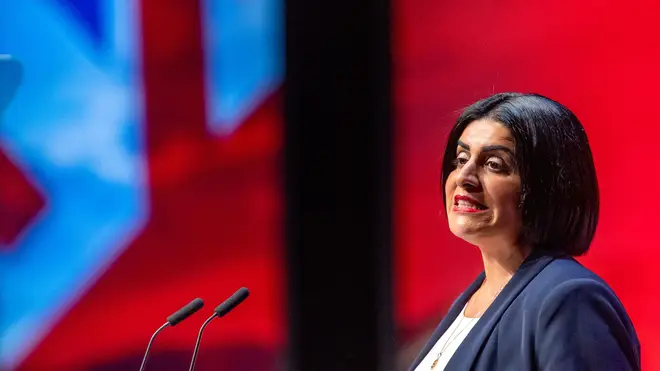
Refugees will have their asylum status in the UK reviewed every two to three years and face deportation if their home country is deemed safe under Home Office reforms.
Picture:
Alamy
Under current measures, asylum seekers granted refugee status in the UK are automatically given permanent settlement in the UK after five years, with some rare exceptions.
A Home Office source said: “Today becoming a refugee equals a lifetime of protection in Britain. Mahmood will change that — making refugee status temporary and subject to regular review.
“The moment your home country is safe to return to, you will be removed.”
They added that although the change may “seem like a small technical shift”, the change “marks the most significant shift in the treatment of refugees since the Second World War”.
The new legislation will also require British judges to adopt a much narrower interpretation of Article 8 and Article 3 of the European Convention on Human Rights (ECHR) – the articles focused on protecting family rights, and the risk of torture, inhuman or degrading treatment or punishment respectively.
Alongside this, rules around what is considered a family relationship will be tightened.
Failed asylum seekers and foreign criminals will also not be able to argue that inferior prison or healthcare conditions overseas breaches their Article 3 protection against degrading treatment.
Judges will also be required to prioritise public safety over the rights of failed asylum seekers attempting to argue against deportation.

The Home Secretary, pictured here with the Prime Minister, will unveil reforms on Monday to increase deportations and reduce Britain’s attractiveness to migrants, describing the reforms as “the most significant changes to our asylum system in modern times”.
Picture:
Getty
The measures note a marked shift in the government’s approach to tackling the small boats crisis in the UK, focusing on the need for strong deterrence.
Under a similar system, Denmark’s centre-left government has reduced the number of asylum applications to their lowest in 40 years, as well as successfully removing 95 per cent of rejected asylum seekers.
However, there are questions over the effectiveness of Denmark’s temporary permits – the central measure inspiring Mahmood’s reforms.
Introduced in 2015 after a rise in Danish asylum claims, largely credited to the migrant crisis caused by the Syrian civil war, of 30,000 Syrians granted asylum, only 1,200 have been reassessed and a few hundred revoked. Nobody has been returned.
Chris Philp, Conservative shadow home secretary, said the reforms fall short of what’s needed.
“These measures go nothing like far enough. We need to come out of the European Convention on Human Rights so anyone arriving illegally can be deported within a week – asylum claim or not.”
He was pleased at the direction of the government’s changed, but said “there must be tough conditions” on all elements of the process.
A record 111,084 foreigners claimed asylum in the year ending June 2025.
The total cost of asylum support, including accommodating more than 32,000 migrants in hotels, is £5.4bn.