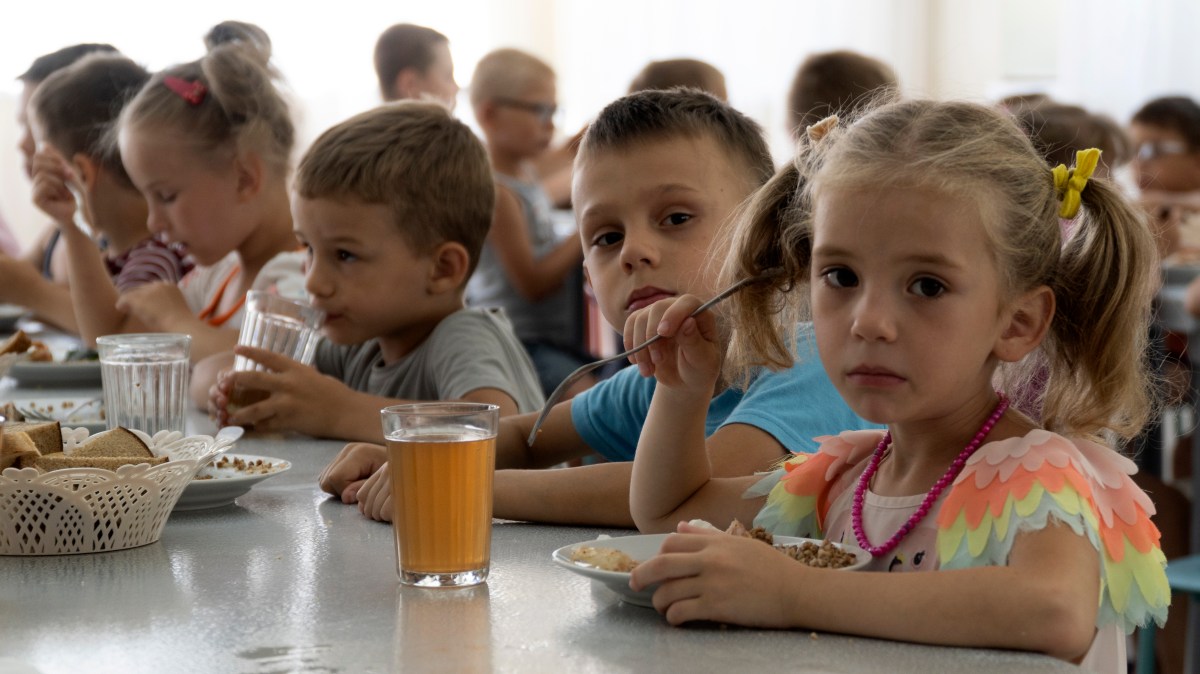
Britain has helped locate more than 600 Ukrainian children who have been abducted and forcibly taken to Russia.
Since September, a Ukrainian-led scheme, which includes the UK, has been searching, analysing and verifying data to find children illegally taken to Russia during the war.
The initiative has located 295 youngsters who were deported to the Russian Federation and 71 who were placed under guardianship, or custody, by Russian citizens and either sent to the Russian Federation or relocated within occupied Ukrainian territories. Another 242 children were identified after their profiles were found on adoption websites.
Several countries, including the UK, Canada, Norway, Finland, Austria, Latvia, Estonia, Switzerland and Sweden are involved in the scheme, which was launched by Andriy Yermak, the Ukrainian president’s chief of staff.
Yvette Copper, the foreign secretary, said: “Putin’s heinous policy to illegally kidnap, deport and indoctrinate Ukrainian children demonstrates the depths to which he will sink to destroy Ukrainian families and to seek to eradicate Ukrainian identity and future.
“The UK has worked with the Ukrainian government establishing a tracing mechanism that will support the return of the thousands of children taken by Russia. The UK’s ability to convene and catalyse others is one of our most important strengths, and we will continue to use it to ensure that every child has the chance to return home, safely and with dignity.
“We must not lose sight of Russia’s clear obligations under international law, and these violations cannot go unchallenged.”
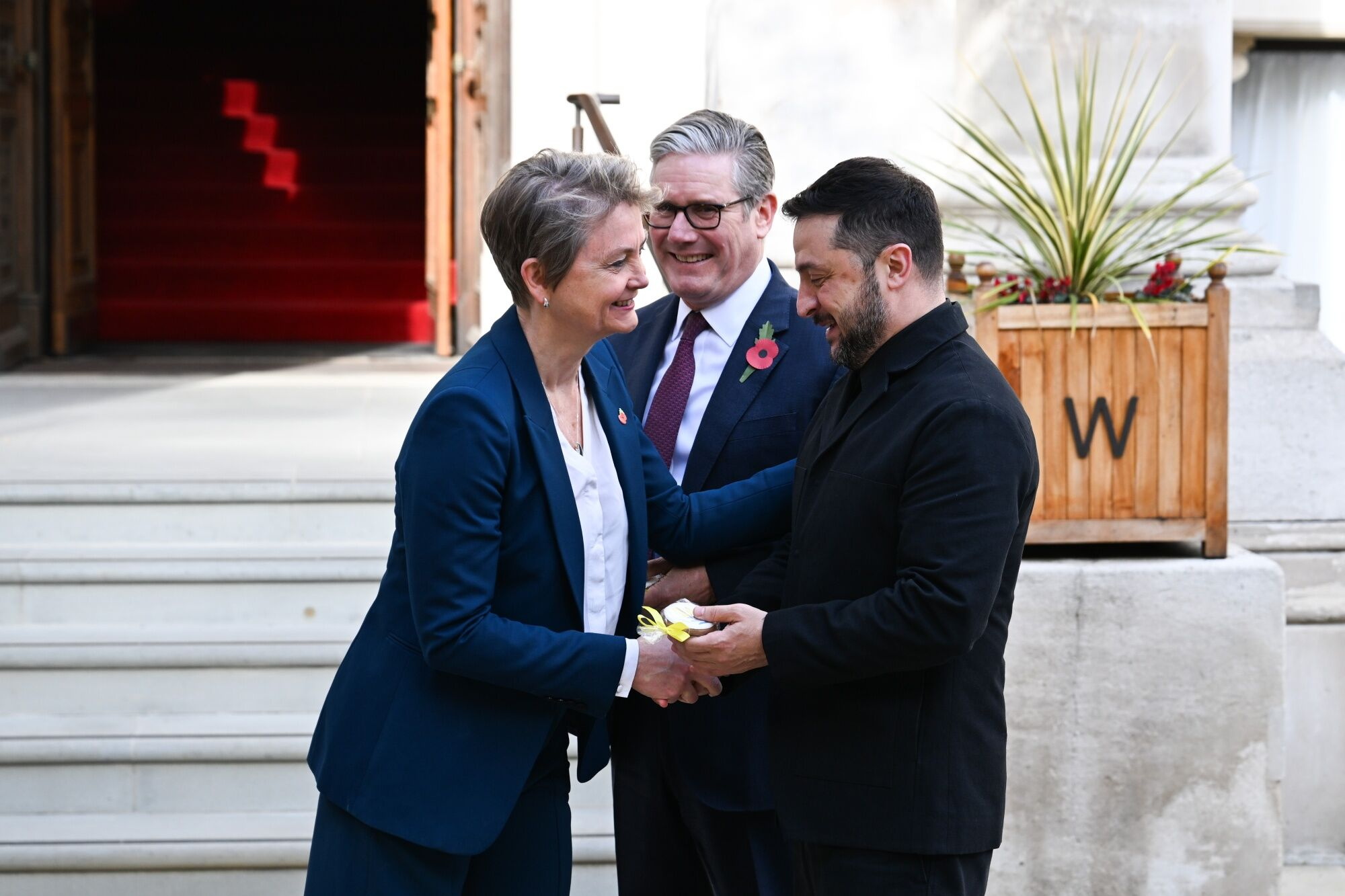
Yvette Cooper with Sir Keir Starmer and President Zelensky last month
CHRIS J RATCLIFFE/EPA
The UK has committed more than £2.8 million to support Ukrainian efforts to facilitate the return and reintegration of children taken by Russia. The exact technique being used to trace the children is shrouded in secrecy to avoid Russian detection but it includes analysis of social media posts, satellite imagery, adoption databases and information provided by intelligence sources to find the missing children. It is explicitly linked to a UN resolution condemning Russia’s abduction of children.
The idea is that by establishing a credible, internationally-backed mechanism, Ukraine can strengthen its leverage to put pressure on Russia and provide more concrete cases for repatriation or accountability.
Official figures suggest that 19,546 children have been taken from their homes against their will by Russia since the conflict began. However, earlier this year, a team of experts from Yale University estimated that about 35,000 Ukrainian children listed as missing may be in Russia, or Russian-occupied territories. Some were taken from orphanages, others from their homes, schools, or shelters.
Since the full invasion in February 2022, Ukrainian children have been sent to an extensive network of camps for re-education or to Russify and militarise them. They are subjected to programmes that include indoctrination, combat drills, paratrooper training and even classes on how to assemble drones for the Russian armed forces.

Children from different orphanages in the Donetsk region at a camp in Zolotaya Kosa, southwest Russia
AP
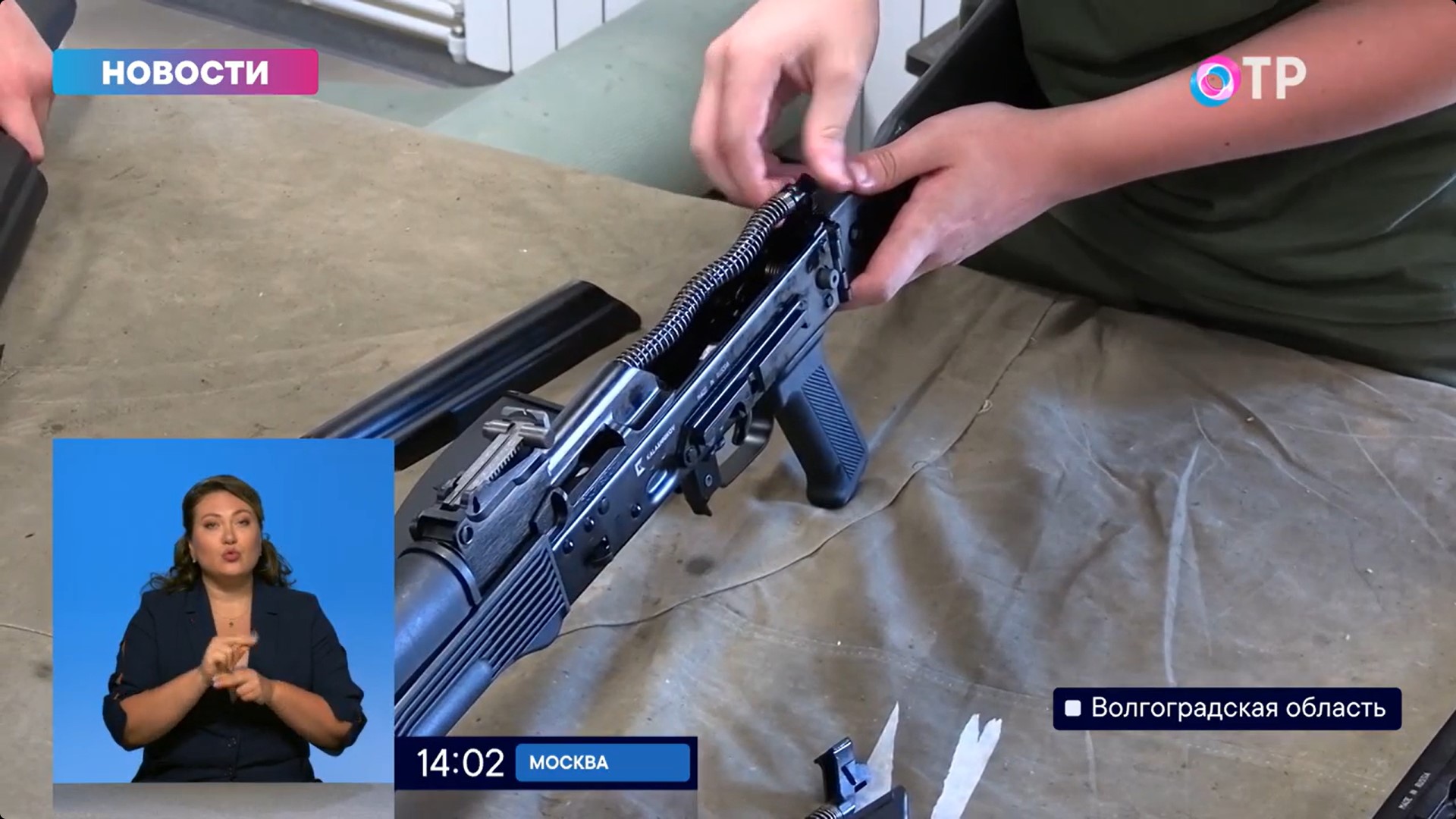
A report — Ukraine’s Stolen Children: Inside Russia’s Network of Re-Education and Militarisation, by the Humanitarian Research Lab at Yale School of Public Health — found that at least 130 of the camps have been involved in re-education, including efforts to indoctrinate children with pro-Russia narratives. The report found at least 39 of the facilities run militarisation programmes where children as young as eight are put through weapons training, grenade-throwing competitions and tactical medicine courses.
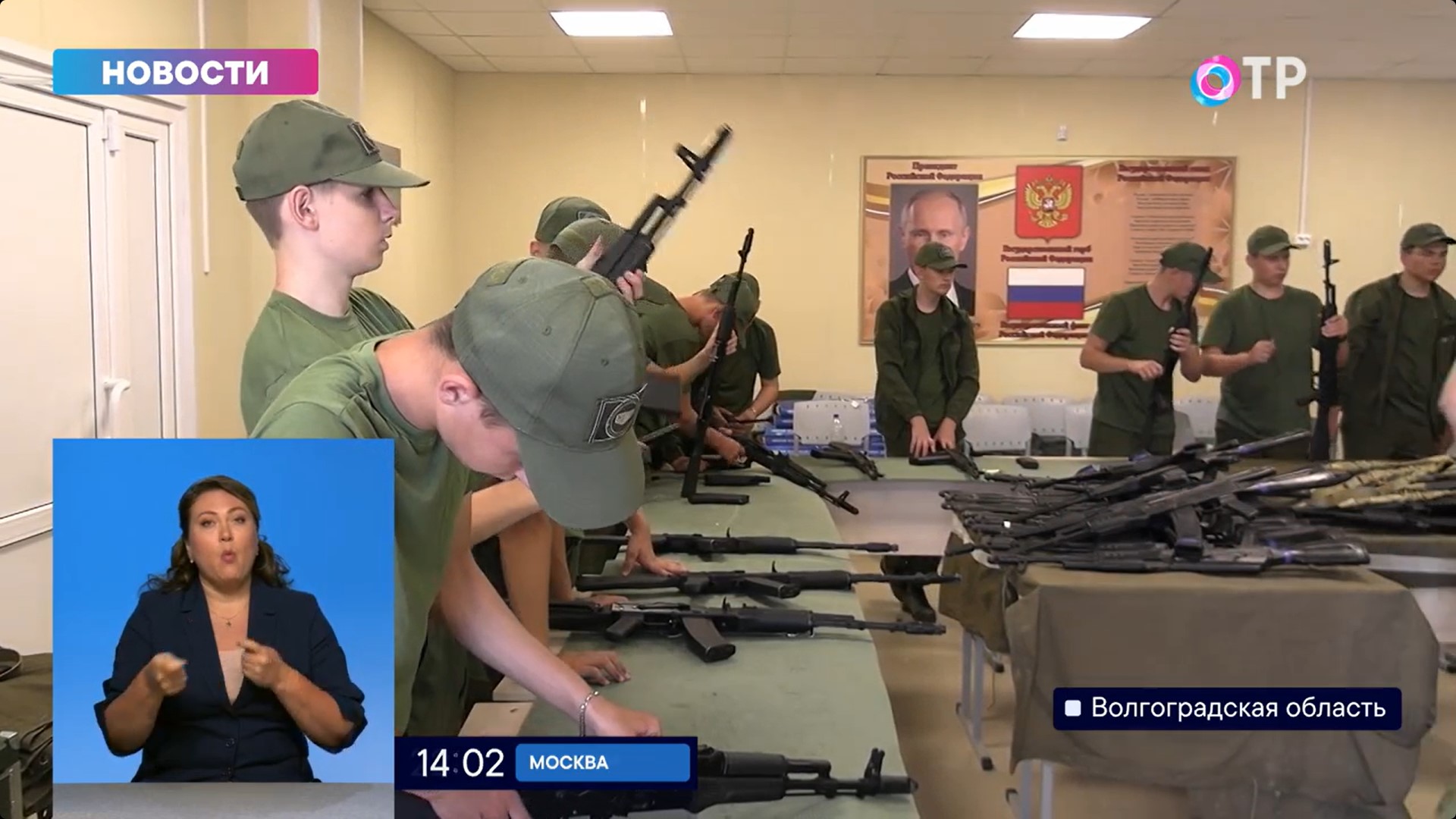
Militarisation programmes put the children through weapons training and grenade-throwing competitions
President Zelensky said last week that more than 1,600 children abducted by the Russians had been brought back since the start of the war and efforts continue to bring more home. He said Ukrainian services had identified “around 400 locations of abducted children” inside Russia. Each case required painstaking verification and international co-ordination.
Last month, eight Ukrainian children were reunited with their families after talks between Melania Trump and President Putin. The US first lady wrote a letter to Putin in August, which was hand-delivered by her husband during a meeting with the Russian president in Alaska.
Of the eight children, the first lady said three separated from their families were displaced to Russia because of frontline fighting. Another young girl displaced by the conflict has been returned from Ukraine to Russia, Melania Trump says.
The children’s reunification with their families was facilitated by Ukraine and Russia, the first lady said, adding that she was given a detailed report with photographs and the “identities and circumstances” of each child. The US government “confirmed the facts”, she said.