Published on
November 16, 2025

In 2025, Cyprus joins the overtourism crisis already affecting Malta, Ireland, and Italy. These countries, known for their rich cultural heritage and breathtaking landscapes, are now overwhelmed by the surge in tourist numbers. The influx of visitors has placed enormous pressure on local communities, infrastructures, and the environment. Cyprus, once a peaceful Mediterranean getaway, is struggling to manage the sheer volume of tourists, much like Malta, Ireland, and Italy.
Overcrowded beaches, historic sites under strain, and increased costs for locals are just a few of the challenges. As tourism continues to rise, the question remains: can these countries survive the tourist invasion? With popular attractions becoming too crowded, both residents and visitors face the risk of losing the very essence that made these destinations so appealing. In this article, we explore how these countries can balance tourism growth with sustainability.
Cyprus: A Country Feeling the Pressure of Overcrowding
Cyprus, a small island nation in the Eastern Mediterranean, is experiencing a dramatic increase in tourist numbers. The country has long been a popular destination for beach lovers and history enthusiasts. However, the EU has highlighted Cyprus as one of the countries facing the highest levels of tourism intensity. This means that the number of visitors is disproportionately high compared to the local population.
Cyprus is struggling to cope with the massive influx of tourists. The limited infrastructure, combined with the island’s small size, is unable to keep up with the growing demand. Local residents are feeling the pressure, as tourist crowds overwhelm the popular attractions, beaches, and cultural sites. The island’s transportation networks and public services are struggling to accommodate the constant flow of visitors. Tourism is undoubtedly important for Cyprus’s economy, but the strain on its resources is becoming unsustainable.
Malta: Another Tiny Island Struggling with Tourism Overload
Malta, a picturesque island nation in the Mediterranean, is another country feeling the pressure of overtourism. Known for its stunning coastline, historic sites, and vibrant cultural heritage, Malta attracts tourists from all corners of the globe. However, in April 2025, the EU Transport and Tourism unit identified Malta as one of the countries with the highest levels of tourism intensity. This means that Malta’s small population faces an overwhelming number of visitors each year, which has led to significant challenges.
The island’s infrastructure and natural resources are under intense strain. With its limited space and population, Malta cannot cope with the sheer volume of tourists that flood its shores. In the busy summer months, tourist numbers can far exceed the island’s capacity, leading to overcrowded streets, jam-packed attractions, and a growing strain on the local community. While tourism is vital to the economy, the growing imbalance between visitors and residents is causing long-term problems.
Ireland: Rising Tourism Intensity Puts Local Communities at Risk
Ireland, known for its lush green landscapes, charming villages, and ancient castles, has also become a victim of overtourism. Despite its more rural nature compared to other European destinations, Ireland has seen a steady increase in tourist numbers in recent years. In fact, the EU’s transport and tourism unit has flagged Ireland as one of the European countries experiencing an increase in tourism intensity.
What does this mean for Ireland? Simply put, more tourists are visiting the country, and they are staying longer. Popular sites like the Cliffs of Moher, the Ring of Kerry, and Dublin’s historic centre are struggling to cope with the influx of visitors. This increased foot traffic is causing damage to the environment, while local communities are beginning to feel the effects of overcrowding. Despite the benefits of tourism, the rise in visitor numbers is putting pressure on both the natural and cultural heritage of Ireland.
Italy: A Country with a Longstanding Overtourism Problem
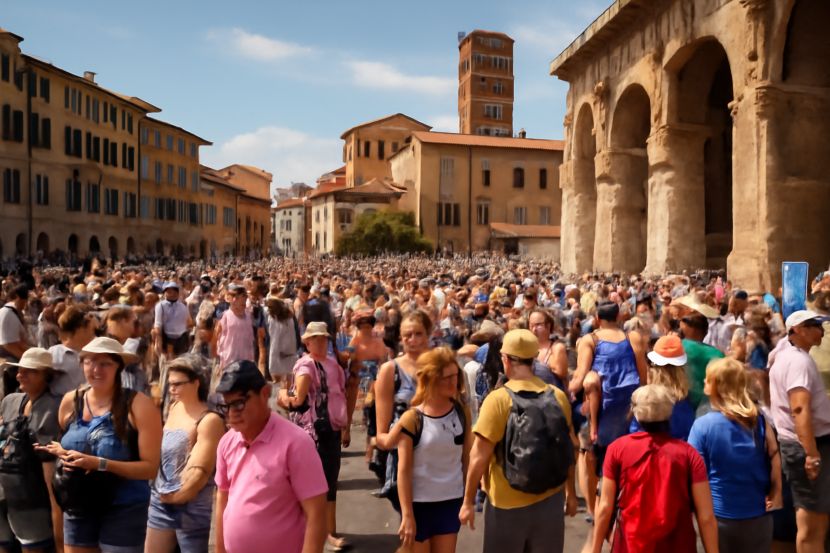
Italy has been dealing with the problem of overtourism for years, and in 2025, it continues to suffer from the overwhelming impact of mass tourism. Cities like Venice, Rome, and Florence have long been popular tourist destinations, attracting millions of visitors every year. However, the sheer volume of tourists has created serious problems for these historic cities.
The European Union and various experts have long recognised Italy as one of the most affected countries by overtourism. The constant stream of visitors has led to overcrowded streets, congested transportation systems, and environmental degradation. Venice, in particular, has struggled with rising sea levels and overcrowding, which threatens its delicate ecosystem. At the same time, other cities like Rome and Florence are battling with the preservation of their cultural heritage amidst the pressures of mass tourism.
The EU’s Concern with Tourism Intensity
The European Union has made it clear that countries like Cyprus, Malta, Ireland, and Italy are facing a serious problem with tourism intensity. This term refers to the number of tourists relative to the local population and the destination’s capacity to handle the influx. These countries have some of the highest levels of tourism intensity in Europe, and their infrastructure and resources are being stretched thin.
The EU’s reports highlight that the imbalance between the number of tourists and residents is causing long-term economic, social, and environmental challenges. The tourism sector is vital for these countries, providing jobs, generating income, and boosting local economies. However, without sustainable management, overtourism threatens to undermine these benefits and cause lasting damage to the environment and local communities.
The Impact of Overtourism on Local Communities
One of the most significant consequences of overtourism is the strain it places on local communities. In countries like Cyprus, Malta, Ireland, and Italy, local residents are feeling the effects of overcrowded streets, rising costs of living, and reduced quality of life. The influx of tourists often leads to inflated prices for housing, food, and other basic necessities, making it harder for locals to make ends meet.
In addition to economic pressures, the social fabric of these communities is also under threat. With the constant arrival of tourists, local residents may feel alienated or overwhelmed by the changes taking place in their hometowns. In some cases, overtourism can even lead to the displacement of local populations, as property prices rise and residents are pushed out.
Environmental Damage: A Growing Concern for Europe’s Natural Wonders
Overtourism also has a devastating impact on the environment. Popular destinations like the beaches of Cyprus, the historic ruins of Rome, and the natural parks of Ireland are being damaged by the sheer number of visitors. Foot traffic erodes trails, pollutes beaches, and damages delicate ecosystems. In some cases, the infrastructure designed to support tourists—such as roads, waste disposal systems, and water supplies—is unable to cope with the growing demand, leading to pollution and waste buildup.
Countries like Italy and Cyprus, with their rich cultural and natural heritage, are particularly vulnerable. The constant strain on these resources puts the preservation of Europe’s most treasured landmarks and landscapes at risk.
What Needs to Be Done? Sustainable Tourism for the Future
The problem of overtourism is not without a solution. The key to mitigating the negative effects of mass tourism lies in sustainable tourism practices. This involves ensuring that tourism benefits local communities without causing harm to the environment or culture.
Countries like Cyprus, Malta, Ireland, and Italy must implement strategies to control visitor numbers, encourage responsible travel, and promote alternative destinations. This could involve limiting access to certain attractions, introducing tourist quotas, and investing in infrastructure that can handle higher visitor numbers without causing damage. Additionally, the local population must be involved in the decision-making process, ensuring that their voices are heard and their concerns addressed.
Final Thoughts
As we move further into 2025, the issue of overtourism remains a pressing challenge for many European countries. Cyprus, Malta, Ireland, and Italy are just a few examples of destinations struggling to balance the economic benefits of tourism with the negative impacts on local communities and the environment.
The future of these countries depends on their ability to adopt sustainable tourism practices, reduce overcrowding, and protect their natural and cultural resources. Only by finding this balance can these countries ensure that they remain attractive to tourists without sacrificing the well-being of their residents and their environments.
Overtourism is a growing issue in Europe, but with the right strategies and a focus on sustainability, it’s possible to preserve these destinations for future generations. The world’s most beautiful places must be protected, not just for tourists, but for the people who call them home.
