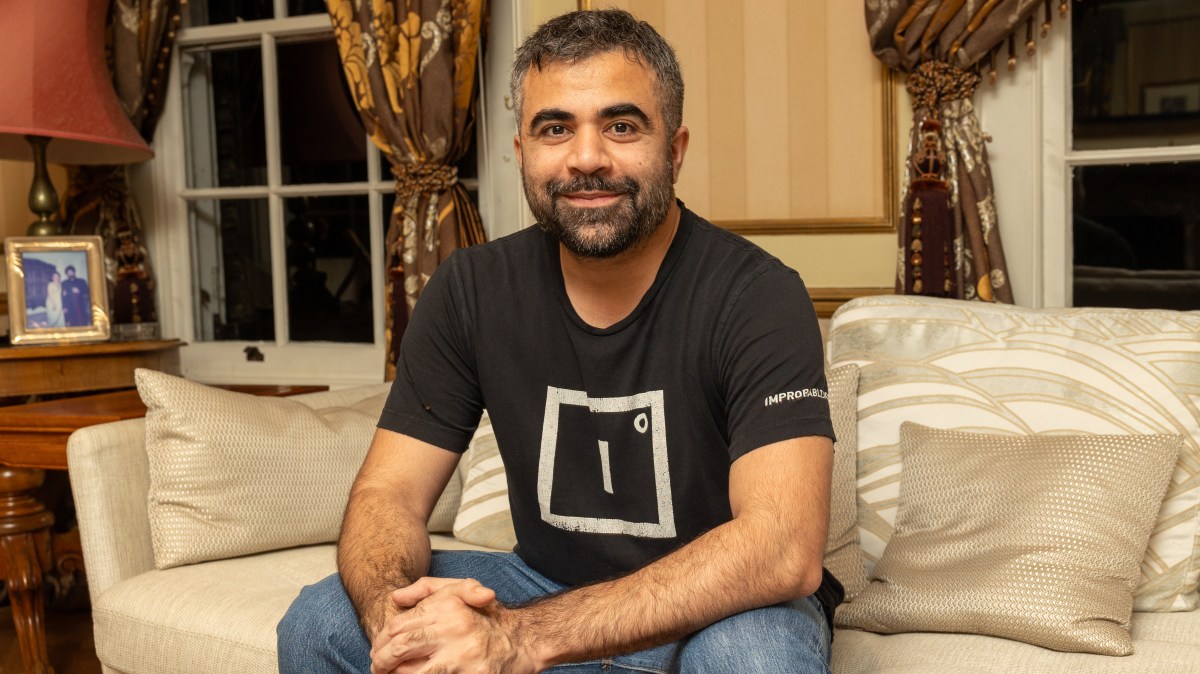
A technology entrepreneur who threatened to leave the UK over tax plans for wealth creators has seen cumulative losses at his SoftBank-backed company reach almost £425 million.
Herman Narula, co-founder and chief executive of Improbable, hit out at proposals for a tax on entrepreneurs’ unsold assets if they leave the country, warning that the policy speculation made it “too unstable and too risky to maintain residency” in the UK, and calling the policy “irresponsible”.
The government reportedly shelved the plans following an article in The Telegraph warning that Narula was planning to leave the UK for Dubai over his tax concerns.
Narula has been named as one of the country’s richest young entrepreneurs based on the £2.5 billion valuation ascribed to Improbable by a SoftBank-led investment round in 2022.
His company has only made a profit once after more than a decade in operation, as recently filed accounts at Companies House show it swung back to a loss of £17.4 million last year after making a maiden profit of £12.9 million in 2023.
Improbable was launched as a cloud computing pioneer creating detailed virtual worlds and simulations to help businesses and public organisations make investment decisions. Narula stated that the company’s mission was to “build the Matrix” and that its technologies would be “as significant as artificial intelligence”. Deep Nishar, then managing director of SoftBank, said the technology developed by Improbable would “solve complex problems on a previously unimaginable scale” when the Japanese group led an investment round worth about $500 million.
Narula said Improbable had been “stepping up” as the “types of investments that drive society forward require years of substantial funding”.
The technology industry is facing concerns over whether it will be able to deliver a return on the enormous investments being made into frontier developments such as artificial intelligence. Sir Nick Clegg, the former deputy prime minister and Meta executive, told The Times Tech Summit last month that many of the valuations in the AI industry were “crackers” and some companies could be “very exposed in a market correction”.
Clegg said: “I don’t see any business model yet, even of the leading AI hyperscalers, that can recoup that capital expenditure.”
Narula said: “In 2023, Improbable shifted to a venture builder model to better meet the significant funding requirements needed to fuel the growth of deep-tech companies in the UK and Europe.”
He said the company’s new model “generally realises profit only on disposal of equity or tokens” and the group made a loss because it didn’t sell any assets in 2024.
“Improbable’s past losses reflect the significant and risky investment needed to build deep-technology companies, including vital defence work for the British Army, which results in Improbable’s founders being sanctioned by Russia. This is exactly why I believe the UK’s tax policies should encourage risk taking to fuel growth,” he added.