Ostrogski Forum was held in Lviv and Kyiv (Ukraine) on 11–15 November, bringing together more than 100 analysts, politicians, diplomats, and civil society representatives. The discussions focused on the future of Belarusian–Ukrainian relations, regional security, and the role of Belarus in the current geopolitical landscape.
Participants emphasized that the future of Belarus is inseparable from the course of the war in Ukraine. Democratic forces see this as an opportunity to restore Belarusian statehood and dismantle the regime of Alyaksandr Lukashenka.
Forum participants agreed that the Lukashenka regime is aggressive and poses a danger to both Ukraine and Belarus. They noted that Belarus has lost control over its military sphere and is acting as a co-aggressor, has become an “assembly hub” for Russia’s military industry, is conducting “underwater warfare” against Ukraine in military, economic, and informational spheres, and that Russian special services have full access to Belarusian territory.
Representatives from Lithuania stated that Belarus is currently the second most threatening state in the region after Russia.
Several initiatives for holding the Lukashenka regime accountable were presented at the forum:
the Parliamentary Assembly of the Council of Europe is advancing an amendment on responsibility for allowing Belarusian territory to be used for aggression;
documentation of crimes for a future special tribunal is ongoing;
materials on the illegal deportation of Ukrainian children have been submitted to the International Criminal Court;
information was presented on the use of Belarusian political prisoners’ labour for Russia’s military needs.
When discussing relations between Ukraine and Belarusian democratic forces, participants noted that such cooperation is limited due to the absence of a clear policy. The Belarus issue is often postponed to avoid provoking the Lukashenka regime, while many matters could be resolved quickly but require political will. Participants emphasized that the issue of legalizing Belarusian volunteers in Ukraine remains unresolved.
Belarusian democratic forces highlighted several key principles for the country’s future and for cooperation with Ukraine:
Belarusians do not bear collective responsibility for the regime’s actions and are themselves its victims;
Ukraine’s victory is key to Belarus’s liberation;
it is important to prevent Belarus from becoming isolated after the war and to secure its status as a nation that is resisting;
cooperation between societies in culture, education, and media remains both possible and necessary;
Ukraine can become a centre of strength and a partner for Belarusian democratic institutions.
A separate initiative was presented to admit Belarusian students to Ukrainian universities to reduce the regime’s mobilization potential.
In Lviv, researchers presented the “Belarusian–Ukrainian Relations Index 2024–2025,” which includes an analysis of public sentiment, the information space, cultural, religious and educational cooperation, and Russia’s influence on bilateral relations.
Analysts noted that the potential for cooperation between the two societies remains high despite the challenges posed by the war.
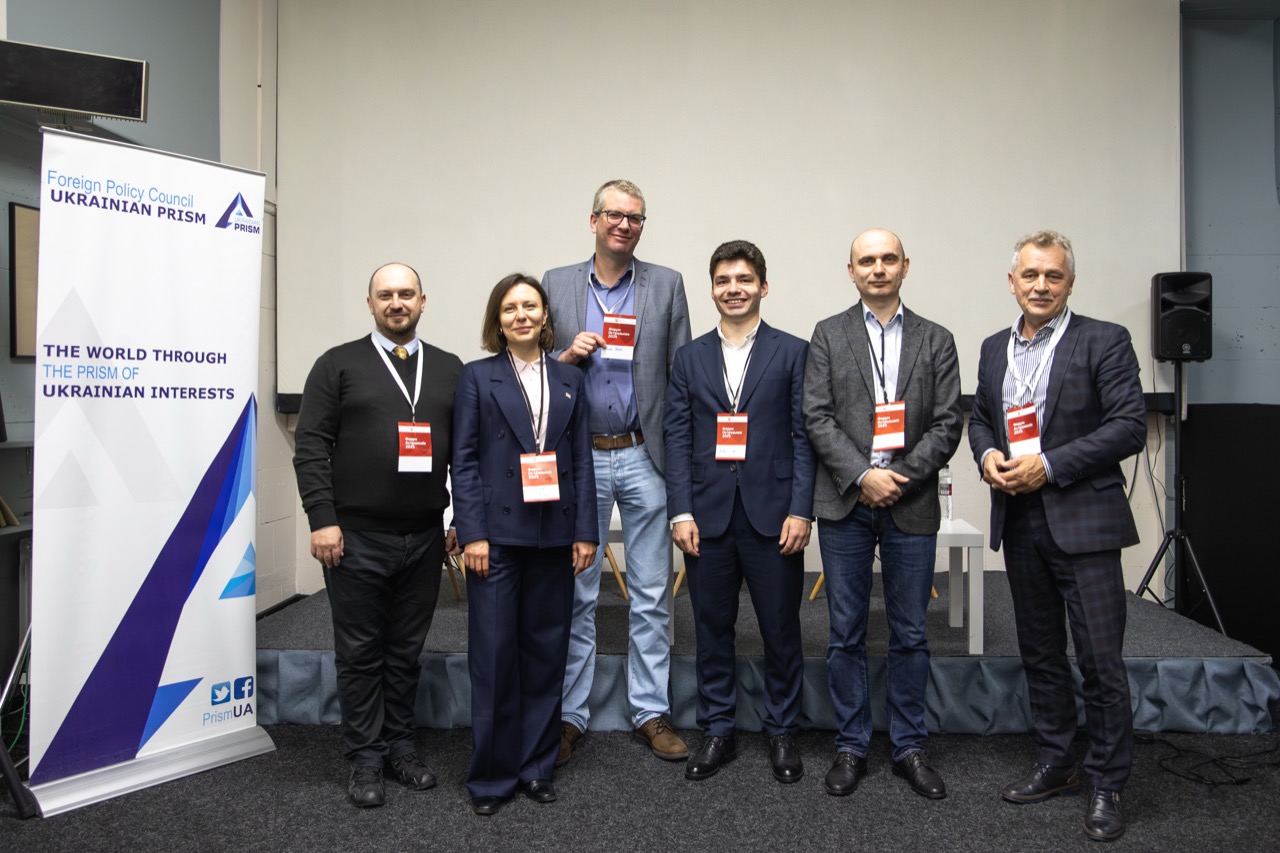 Ostrogski Forum. Photo: Artsiom Prypisnou
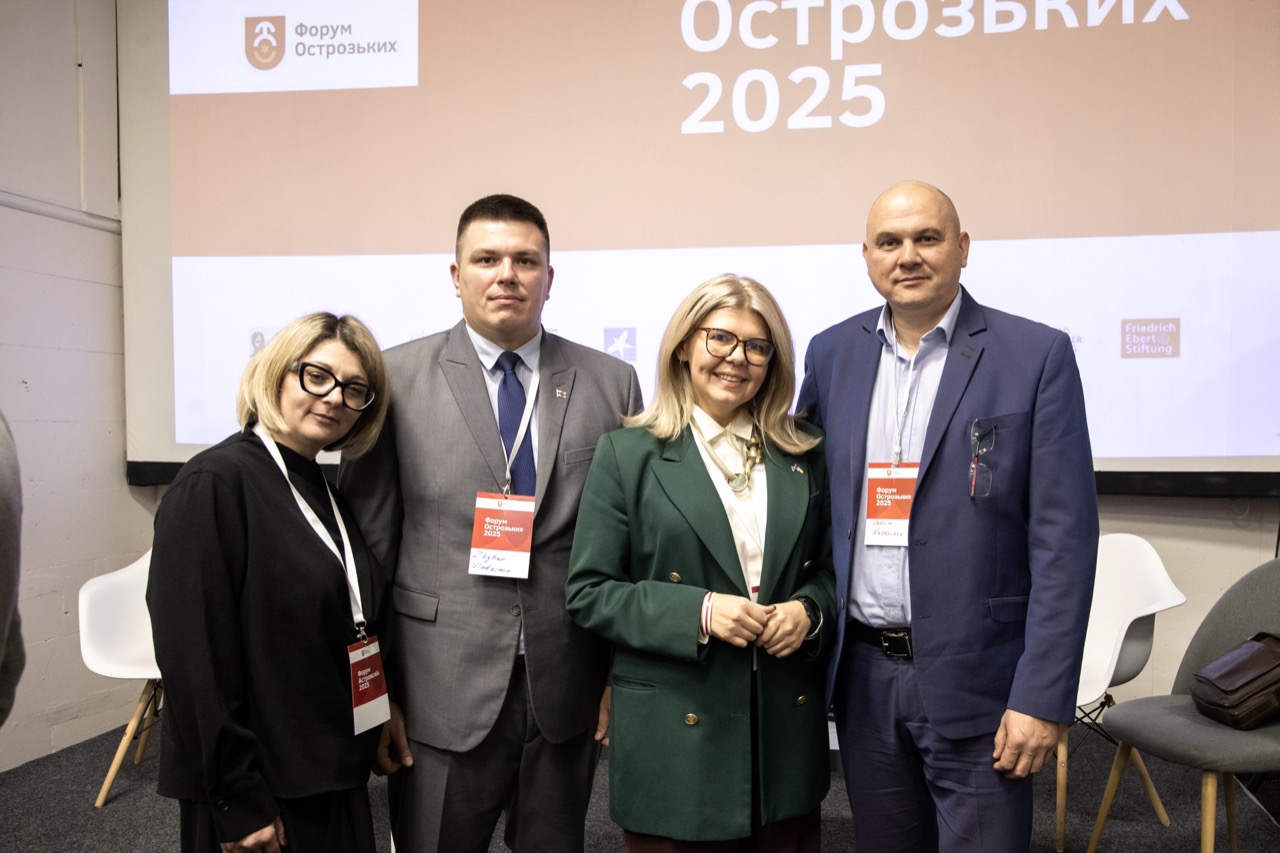 Ostrogski Forum. Photo: Artsiom Prypisnou
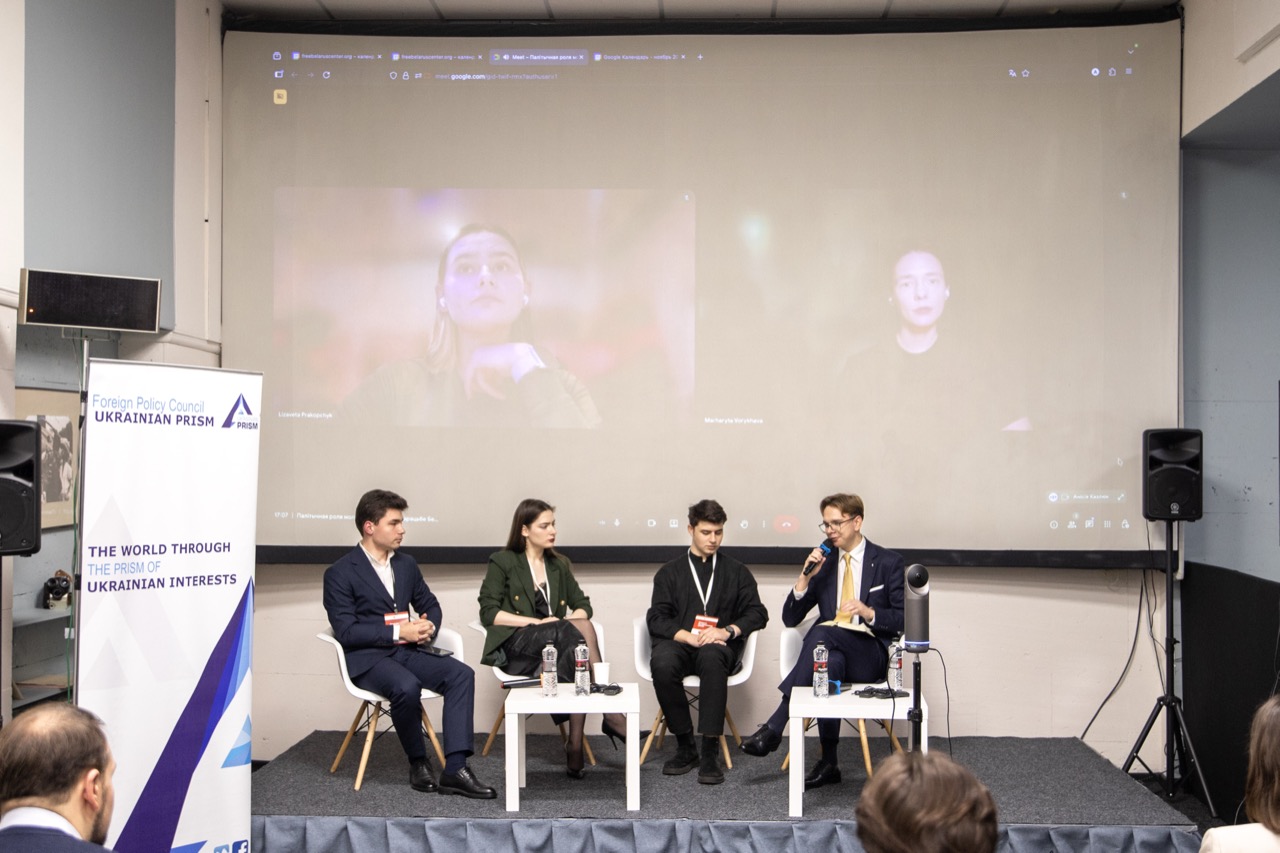 Ostrogski Forum. Photo: Artsiom Prypisnou