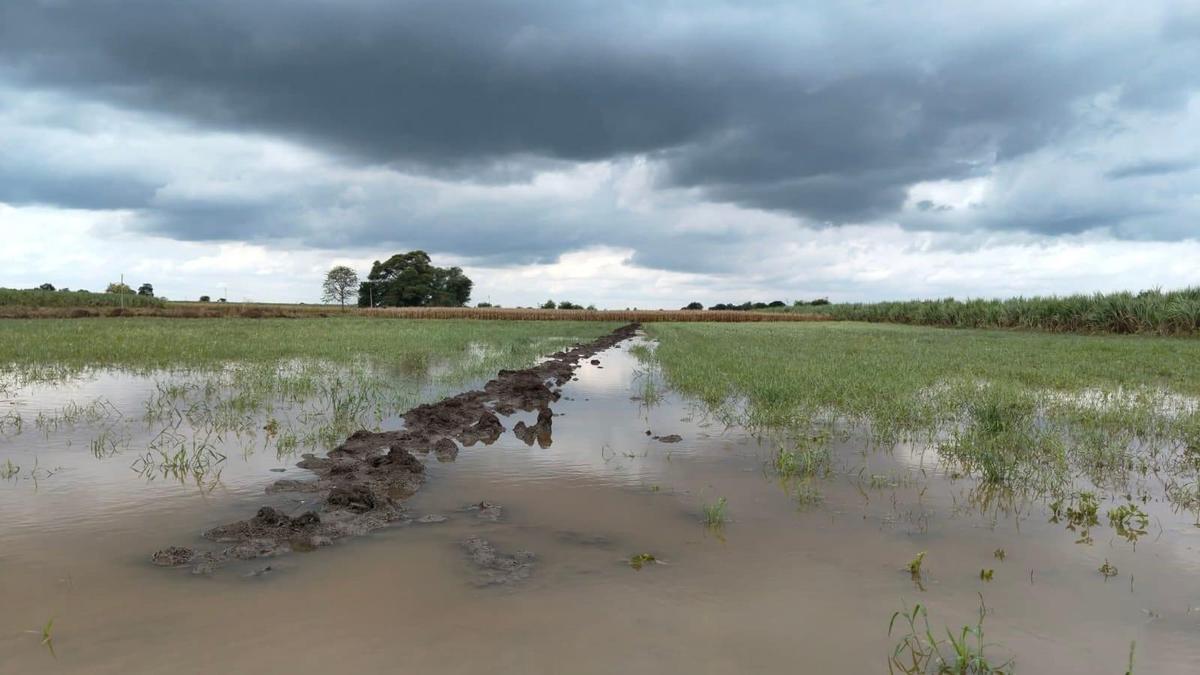
Heavy rainfall and flooding this September claimed at least 11 lives in Maharashtra and disrupted life across several districts, underscoring the growing climate crisis. Erratic monsoon patterns and shifting rainfall trends have affected crop cycles and strained urban infrastructure from Mumbai to Marathwada.
According to the new Climate Opinion Maps for India by the Yale Program on Climate Change Communication, 87% of adults in Maharashtra said they have personally experienced the effects of global warming, while 77% believe global warming is affecting monsoons, and 82% said it is affecting droughts and water shortages. Concern runs deep; 91% report being worried about global warming, yet only 55% think global warming is caused mostly by human activities.
The maps, based on surveys of over 19,000 respondents between 2022 and 2025, provide a granular look at how climate change is being felt and understood across 34 States and Union Territories and 634 districts.
Nationally, majorities report experiencing severe heat waves (71%), agricultural pests and diseases (59%), electricity outages (59%), water pollution (53%), droughts and water shortages (52%), and severe air pollution (51%) in the past year.
India, home to 1.4 billion people, is the third-largest emitter of greenhouse gases and among the most climate-vulnerable nations. In 2024 alone, the country endured extreme weather on 322 days—almost 90% of the year.
Dr. Jagadish Thaker, Senior Lecturer, University of Queensland, and one of the lead authors of this project, said. “As India rapidly develops while facing intensifying extreme weather, understanding how people across states and districts perceive and experience climate change is essential. These maps can help local and state leaders design climate action plans that reflect people’s lived realities and build durable public support for solutions,” Dr. Thaker said.
Experiences and beliefs vary widely. In Uttar Pradesh, 78% of adults report personally experiencing severe heat waves, among the highest in the country, along with Rajasthan (80%), Haryana (80%), and Odisha (80%). In comparison, just over half of adults in Kerala and Tamil Nadu report the same (55% and 52%).
While only 35% of Indians nationwide report experiencing severe cyclones, that number rises to 64% in Odisha, which was hit hard by Cyclone Dana in October 2024. Odisha also stands out for droughts — over two-thirds report experiencing droughts and water shortages. The state faces extreme weather almost every year.
A majority of Indians think global warming is affecting severe heat waves (78%), droughts and water shortages (77%), severe cyclones (73%), and severe floods (70%). The report said that attribution often exceeds personal experience, for example, 74% of adults in Tamil Nadu think global warming is affecting severe storms, even though only 21% say they have personally experienced one in the past year. In Rajasthan, 70% think global warming is affecting severe floods, though only 28% report experiencing one.
Dr. Jennifer Marlon, the lead researcher for the opinion maps at the Yale Program on Climate Change Communication, said, “As India works to protect itself from extreme weather, communicators must continue to explain the cause-and-effect relationship between burning fossil fuels and dangerous weather. These data about how people across India are experiencing the impacts of climate change can help decision-makers better understand public risk-perceptions and design climate adaptation, communication, and sustainable development policies that meet Indians where they are.”
The maps use multilevel regression with post-stratification (MRP), combining survey data with demographic and geographic characteristics, including gender, age, caste, urbanicity, education, and climate vulnerability, and applying spatial weighting using Indian census counts. The uncertainty range is approximately ±6 percentage points at the state level and ±8 at the district level.
The research team included Jennifer Marlon, Jagadish Thaker, Emily Goddard, Anthony Leiserowitz, Martial Jefferson, Seth Rosenthal, and Jennifer Carman at Yale University, along with Yashwant Deshmukh and Gaura Shukla at C-Voter.
Published – November 19, 2025 01:44 am IST