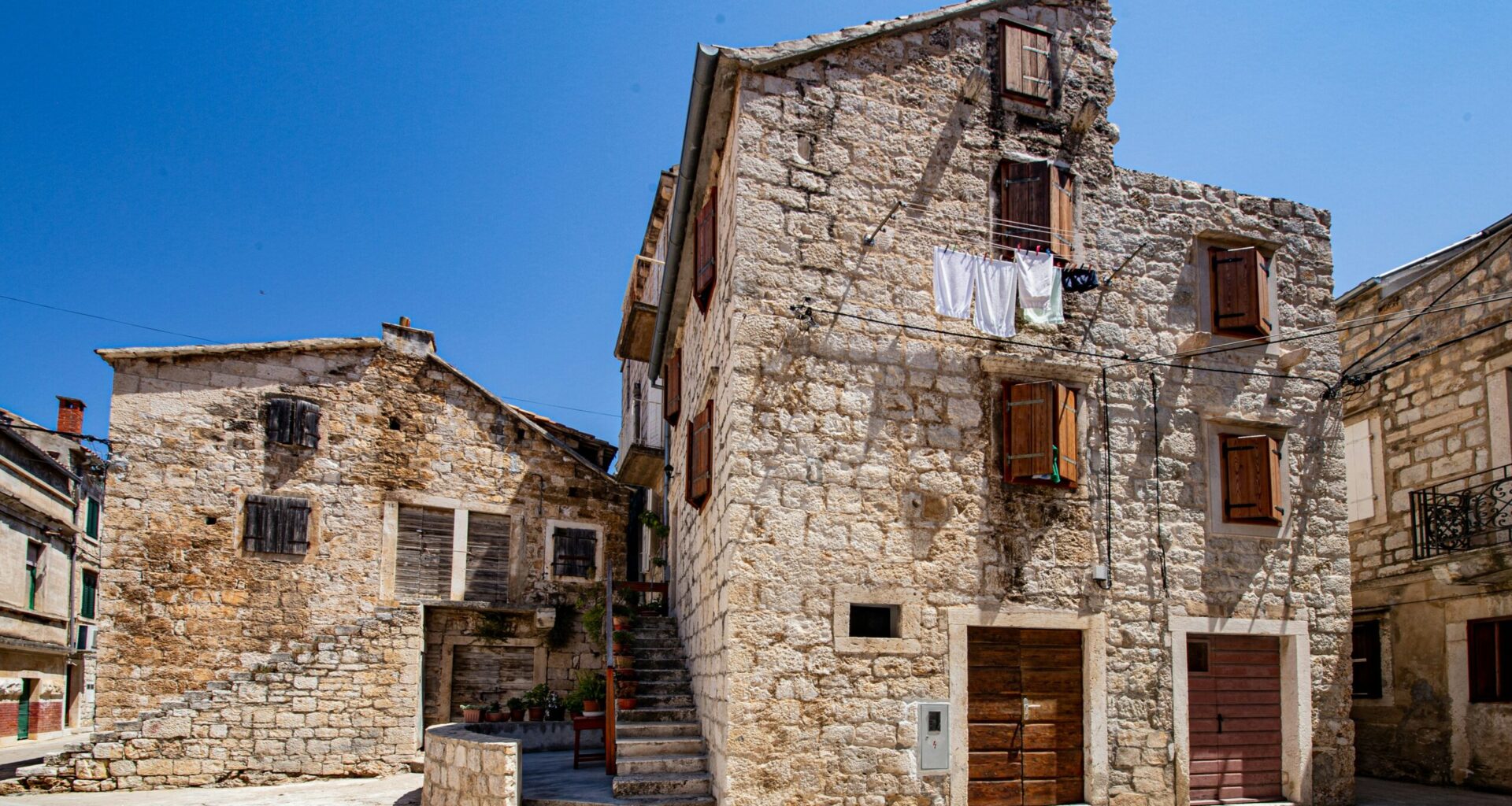
November the 19th, 2025 – Few people know that the smallest Croatian town, located on the far flung island of Vis, actually has its very own micro-climate.
As Putni kofer writes, on the west coast of the stunning island of Vis, secluded and isolated from the rest of the island, lies Komiža, an incredible, ancient town that has its own sort of charm. This picturesque old place, rich in history and oozing Mediterranean charm, has become a favourite destination for those looking for an authentic experience of the Croatian Adriatic.
Although we often boast that Hum up in Istria is the smallest town in Croatia and the whole world, this isn’t exactly true. Hum does not hold the status of a city, but rather a settlement belonging to the city of Buzet. This tiny town on the island of Vis proudly holds the title of the smallest town, and despite its size, it offers a wealth of experiences, from cultural attractions to natural beauty and breathtaking beaches. There’s plenty about Komiža that very few people know…
the smallest croatian town has its very own micro-climate
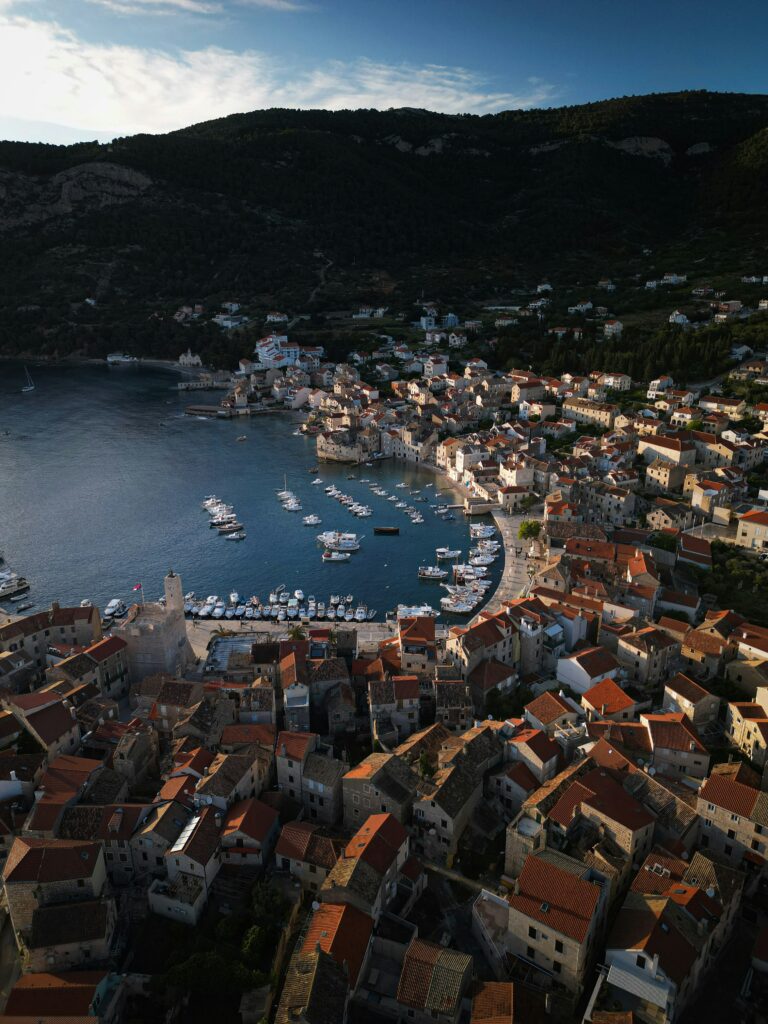
Being situated on the island’s west coast and within a valley that gently opens up to the sea, the smallest Croatian town actually has its very own micro-climate that is rarely found in any other Dalmatian town. Winters here are surprisingly mild, which is very unusual for this part of the Adriatic. Average January temperatures hover at around twelve degrees during the day and drop down to ten degrees at night. That confirms that serious cold temperatures almost never reach the coastline here. The sea additionally softens the winter blows, meaning that Komiža is known for the fact that even in the coldest part of the year it exudes a quiet, sheltered warmth.
During the height of the scorching Dalmatian summer, this bizarre difference in climate can be felt even more. Thanks to the aforementioned open bay and constant air circulation, Komiža enjoys some natural ventilation that makes the sweltering heat easier to tolerate and creates much more comfortable conditions than anywhere else in boiling Dalmatia. Data provided by WeatherSpark shows that the highest summer temperatures in July reach around 27 degrees, but due to the light maestral wind that constantly flows through the bay, the feeling of insufferable heat is never really there. It is precisely this combination of mild winters and refreshing summers that makes the smallest Croatian town’s micro-climate one of its most alluring and definitely most unusual features.
the home of a highly unusual vessel…
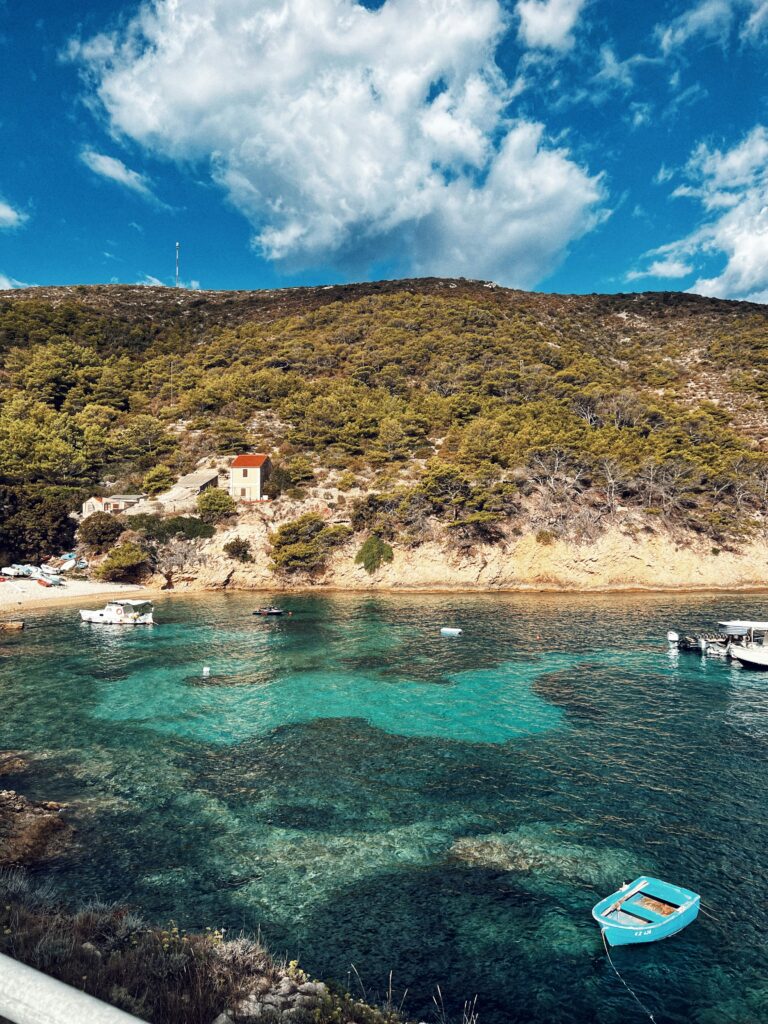
Komiža is rightly called the cradle of the falkuša, an old type of vessel that is now widely recognised as a unique phenomenon in global maritime heritage. This traditional Vis fishing boat has shaped the lives of the people of Komiža for countless centuries, and its special construction was created precisely because of the demanding fishing conditions when out on the open sea here.
The falkuša is long, slender and incredibly fast, and was ideal for trips to Palagruža, where Komiža’s local fishermen have been fishing for oily fish for millennia, often in conditions in which few other vessels would dare to set sail. Nowhere else in the world has such a combination of buoyancy, lightness and strength been developed, meaning that the falkuša is considered a true masterpiece of maritime knowledge that generations of local people from Komiža have passed down from generation to generation.
Much like elsewhere across Dalmatia and its many islands, fishing has always occupied an important place in the lives of the people of Komiža, who are rightly called the pioneers of sardine fishing and processing in the Mediterranean. For a long time, fishermen from Komiža were the most numerous along the entire Adriatic coast, and according to records from the Venetian Empire’s authorities from the 16th century, they caught as many as three million tonnes of sardines in just one day.
it was first mentioned way back in the 12th century

Much still remains unknown about the origins of this glorious little town, but the first records mentioning Komiža we do know of date back to the 12th century. It was then that, under the name Val Comeza, Komiža first appeared in a deed of gift from a Zadar duke who ruled over the Dalmatian islands. This historic settlement, located on the western coast of the island of Vis, was then reigned over by various powers for centuries. Venetian and Austrian rule left its mark on the architecture and culture of Komiža, which today enchant and impress visitors from all over the world.
In its much more recent history, Komiža has played a significant role as an important stronghold for military forces. For many years, just like the entire island of Vis, it was isolated from the rest of the world. The locals will tell you today that the long-term isolation saved the island from tourist development and large-scale commercialisation and enabled both Komiža and the rest of Vis to retain their authentic Dalmatian charm, untouched natural beauty and rich cultural heritage.
our lady of the pirates…
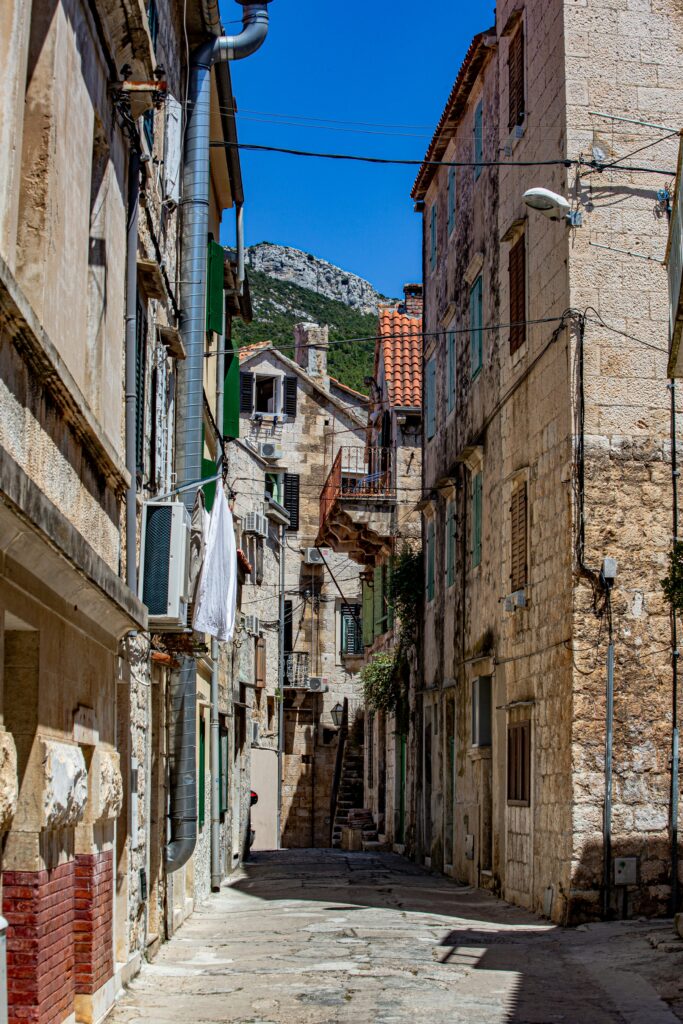
The smallest Croatian town can boast of so much more than its (admittedly very impressive) micro-climate. It’s truly an incredible example of living history. Its architectural elements that vary depending on who was in charge are beautifully stylised, and its ancient narrow streets are filled with life and vibrant colours. In addition to utterly spectacular beaches, which are ideal for refreshing during the summer, this town abounds with landmarks, such as the Komiža Tower – the Commune, which proudly rises above the old town. There’s also the beautiful Church of St. Nicholas (Sv Nikola), better known as Muster, which impresses all who see it with its grandeur. An unusual name adorns another old church, which goes by the name of the Church of Our Lady of the Pirates (Gospa Gusarica), which overlooks the open sea.
Komiža is also known as the sunniest town on the Adriatic and an oasis loved by sailors. Precisely because of the incredible natural beauty that surrounds the town and its position in a large bay, it has become a firm favourite nautical destination for a large number of sailors from all over the world in more recent years. Anchored in a safe harbour, sailors have the opportunity to explore plenty of rich cultural heritage, taste freshly caught fish and enjoy the warm hospitality of the locals.
Subscribe to our newsletter
the fields marked with * are required