From reproductive rights to climate change to Big Tech, The Independent is on the ground when the story is developing. Whether it’s investigating the financials of Elon Musk’s pro-Trump PAC or producing our latest documentary, ‘The A Word’, which shines a light on the American women fighting for reproductive rights, we know how important it is to parse out the facts from the messaging.
At such a critical moment in US history, we need reporters on the ground. Your donation allows us to keep sending journalists to speak to both sides of the story.
The Independent is trusted by Americans across the entire political spectrum. And unlike many other quality news outlets, we choose not to lock Americans out of our reporting and analysis with paywalls. We believe quality journalism should be available to everyone, paid for by those who can afford it.
Your support makes all the difference.
Read more
With Cop30 now entering its final stretch in Brazil, many observers have been disappointed with the UK’s seemingly lacklustre showing at the world’s most important climate conference.
First, there was the public debacle with Brazil’s flagship Tropical Forest Forever Facility (TFFF), a massive investment fund established to provide annual payments to countries to aid their forest conservation efforts. Brazil’s President Lula was looking for $25bn (£19bn) from wealthy countries. Norway has promised to pay $3bn – but the UK, faced with cuts to overseas aid as well as the forthcoming Budget, failed to stump up any cash.
In the main international climate negotiations at the conference, which this year are largely focused on how to support and pay for developing countries to better adapt to the climate crisis, the UK has failed to make any commitments so far.
“The UK is being tight-lipped at this Cop on anything around financial obligations, because of domestic concerns with the Budget in 10 days’ time,” said Debbie Hillier, who is following the climate adaptation negotiations for the NGO Mercy Corps.
It’s a marked change from Cop26 in Glasgow, where the UK was instrumental in driving a landmark deal to double the amount of foreign aid available for climate adaptation by 2025. The 44 countries that make up the Least Developed Countries (LDC) group at the UN are now asking for a new deal to treble foreign aid for climate adaptation by 2030.
Meanwhile, the UK was last week awarded the dubious gong of “fossil of the day” by NGO group the Climate Action Network (CAN), after refusing to back a new mechanism for a “just transition away from fossil fuels”, which is intended to provide communities dependent on fossil-fuel industries with more support as they decarbonise.
Wealthy territories including Japan, Norway, Australia, Canada, and the EU blocked the move, but the UK apparently “stood out for blocking progress” at the summit.
open image in gallery
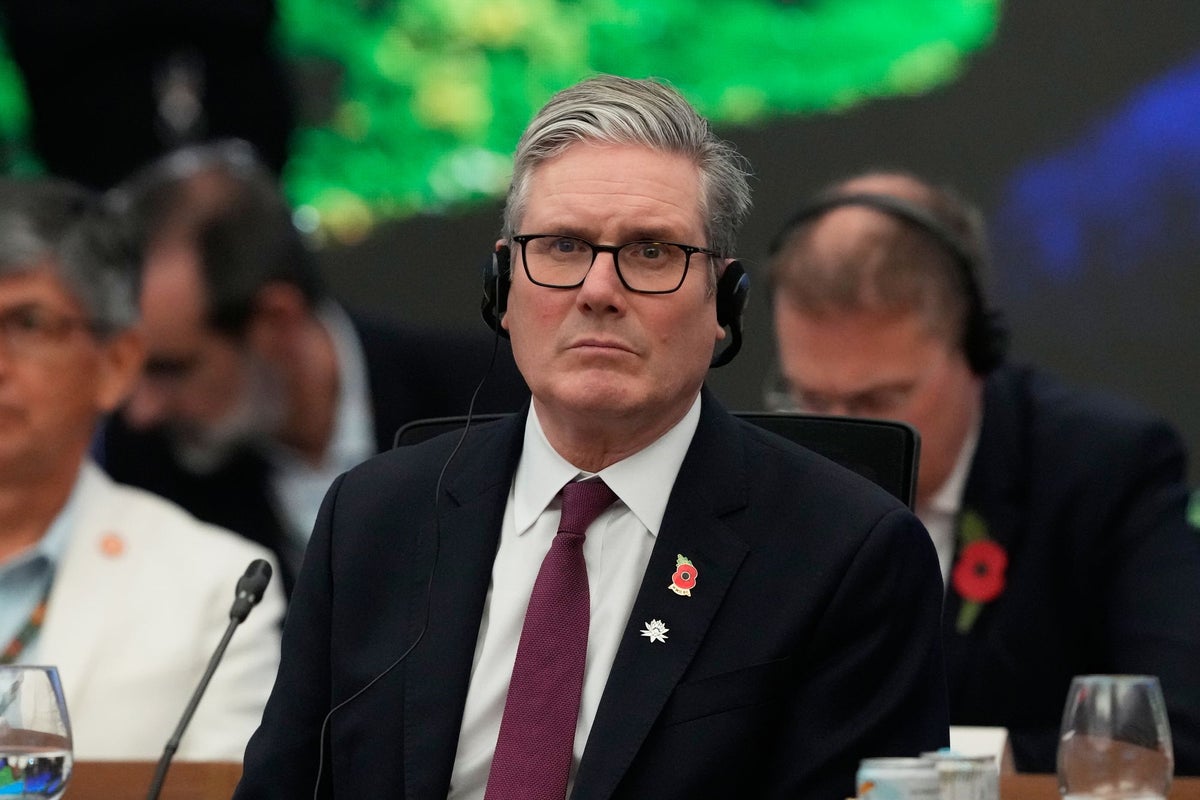
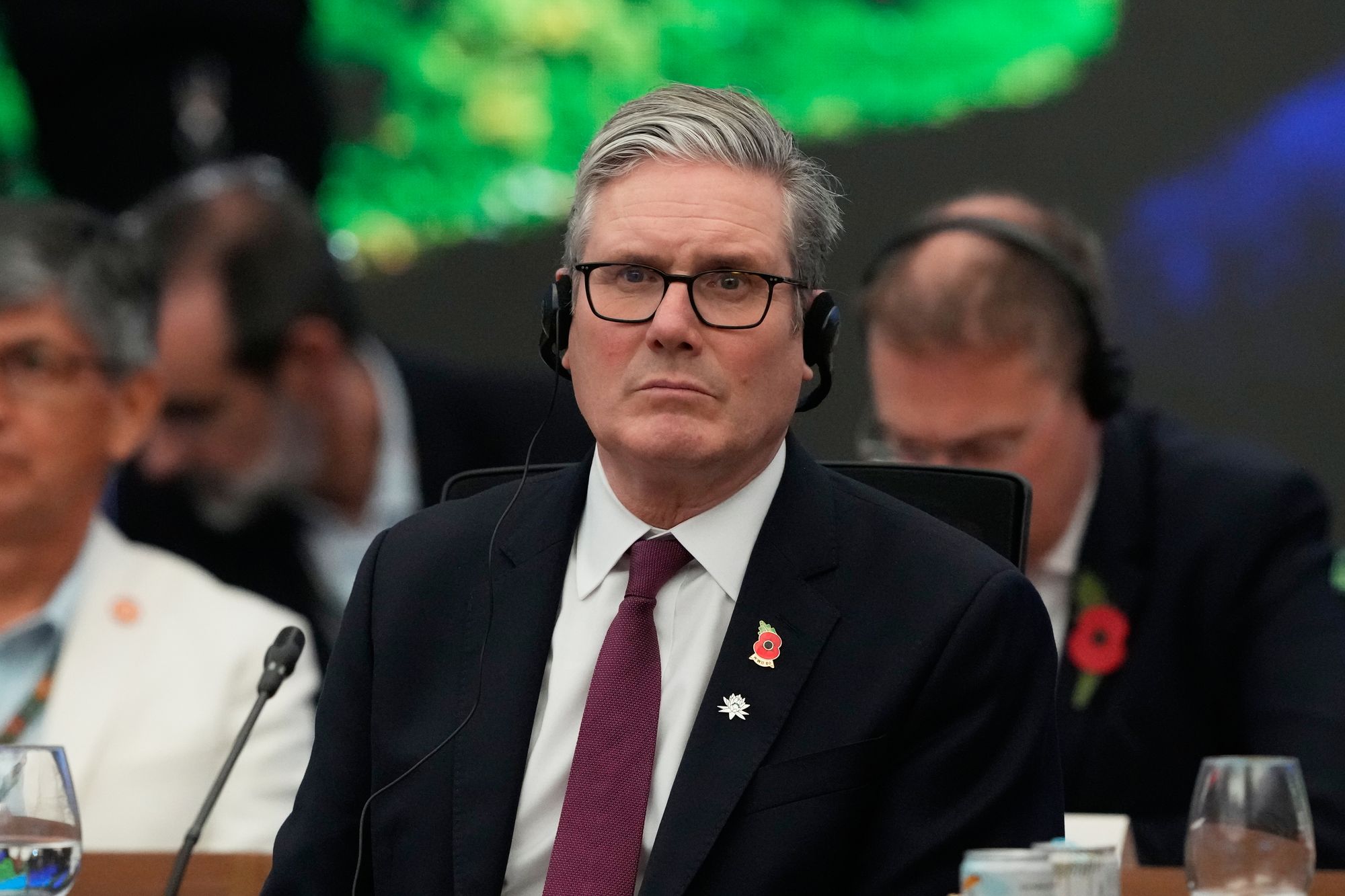
Keir Starmer attends a meeting at Cop30 in Belem last week (AP)
“In doing so, it replicated a familiar pattern – dismissing the lived realities and expertise of the global South. It takes a special kind of irony to tell developing countries they don’t ‘need’ support – in a Cop session about fairness and cooperation,” a spokesperson for CAN said.
A number of British MPs are at Cop as part of a delegation brought by the think tank the Energy and Climate Intelligence Unit (ECIU), including four from Labour, one Conservative and one Liberal Democrat.
Anneliese Dodds, who earlier this year resigned as secretary of state for international development after the UK announced its decision to cut the aid budget from 0.5 to 0.3 per cent of gross national income (GNI), insisted that the UK is still in a leadership role.
“The UK is here in force: Starmer was here, engagement from the royal family, a huge number of UK businesses here, and UK NGOs bringing a huge amount of expertise too,” she said.
“I think it’s wrong to suggest that the UK is not at the table,” added Uma Kumaran, the MP for Stratford and Bow. “We have one of the biggest delegations here; our climate scientists and climate experts are game-changers.
open image in gallery
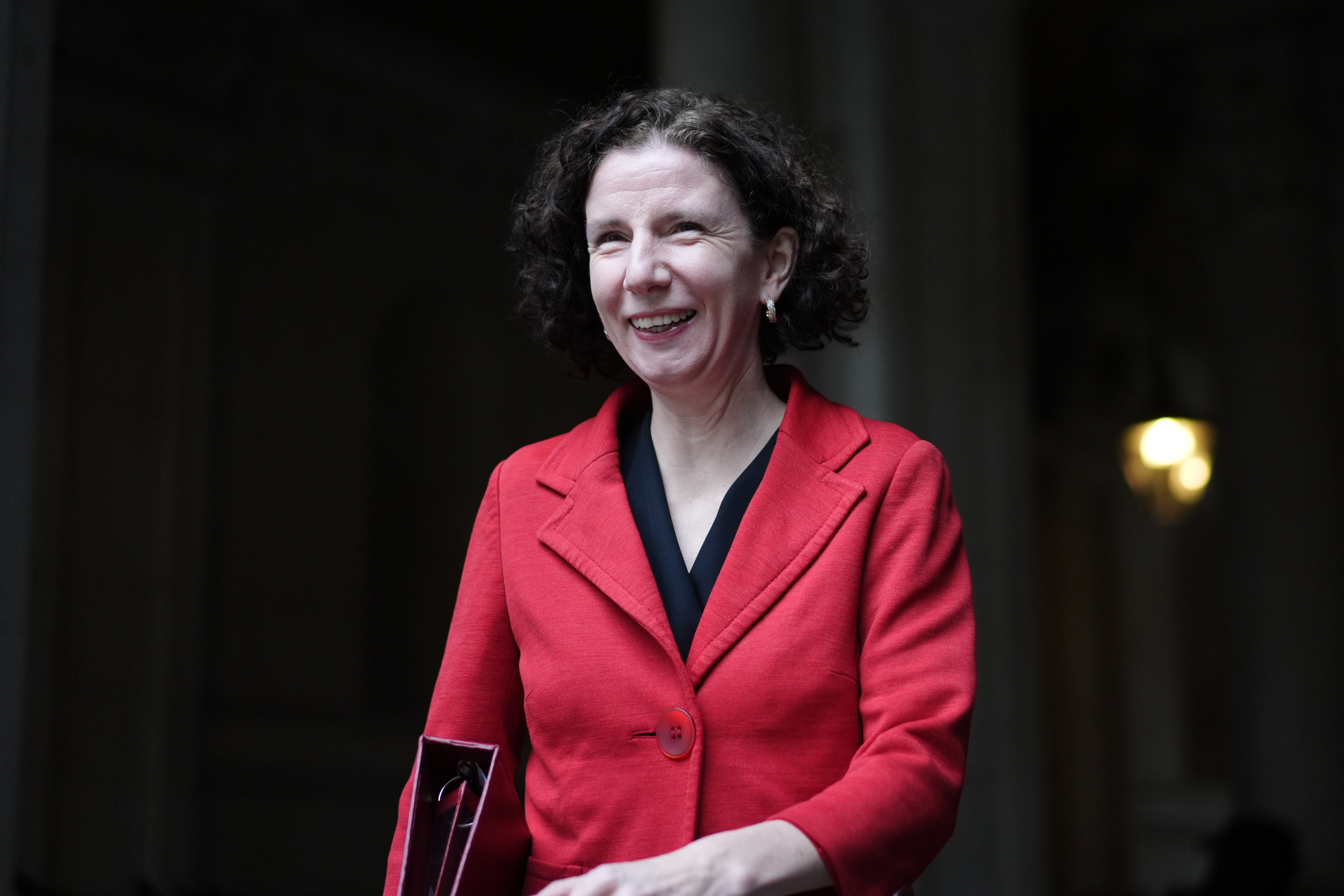
Anneliese Dodds, the former secretary of state for international development, has insisted that the UK is still in a leadership role (PA Wire)
“We were also instrumental in designing the TFFF forest finance initiative, which is going to be worth billions – even if I don’t think it’s right to ask the British public at this point in time, given difficult budgetary decisions coming up, to put money in it.”
But asked by The Independent whether she believes that aid cuts are holding back the UK’s ability to contribute to the climate conference, Ms Dodds reiterated her former criticism of Britain’s decision to redirect overseas aid spending towards defence.
“I didn’t believe that we could deliver the greater security we need for our country through cutting the aid budget,” she said. “I believe that it leads to challenges for our own country’s security, because the relationships that we can develop and deepen through use of overseas development assistance are very important for our country’s national interest and for our safety and security.”
Ms Kumaran suggested, too, that progressives in the UK need to bolster their arguments if they wish climate to be prioritised in the political agenda.
“There was a climate consensus that existed in Britain, domestically, that’s being undone by nefarious forces and populists on the left and right,” she said. “The development sector also has not been making the case well enough for people to understand why.
“What we need to do now is de-jargon these conversations – not talk about climate in technical terms, but frame it in ways that people understand.
“For example, we’re having a rough debate about immigration in Britain at the moment, but we need to show people that the reason people are upping and leaving their countries is because extreme weather means land is not suitable for farming any more, and there are no jobs available, so they have no other choice.”

open image in gallery
Labour MP Uma Kumaran told The Independent that progressives need to bolster their arguments if they want climate to be a greater political priority (PA Wire)
Speaking at the conference on Tuesday, Ed Miliband, the UK climate secretary, backed the introduction of a “roadmap” for the transition away from fossil fuels, as he said that “forces of denial and delay” were losing the fight against climate action.
The UK is among the countries that want to see a “transition away from fossil fuels”, which was first agreed by countries at Cop28 in the United Arab Emirates in 2023.
At Belem, Britain has been backing a proposal for a global roadmap to further this goal. But negotiators have been fighting over whether and how this can be agreed, as petrostates continue to rail against commitments to phase out fossil fuels.
But Mariana Paoli, global advocacy lead at Christian Aid, said the UK had lost the power it used to have as a global leader on climate. “There’s no doubt that the UK has lost credibility on the world stage after it slashed its aid budget earlier this year,” she said.
“When it hosted Cop26 in the UK, it had real clout as a genuine leader on climate, and could boast a proud record on global development. Although Ed Miliband is a respected voice on climate change and knows the issues, the UK government certainly can’t command the same level of respect after shrinking its global impact and influence.
“Adaptation is a vital issue at this Cop, and the UK could go a long way to start rebuilding its reputation as a friend to the world’s poorest and most vulnerable people by championing a strong outcome on adaptation based on public finance in Belem.”
This article was produced as part of The Independent’s Rethinking Global Aid project