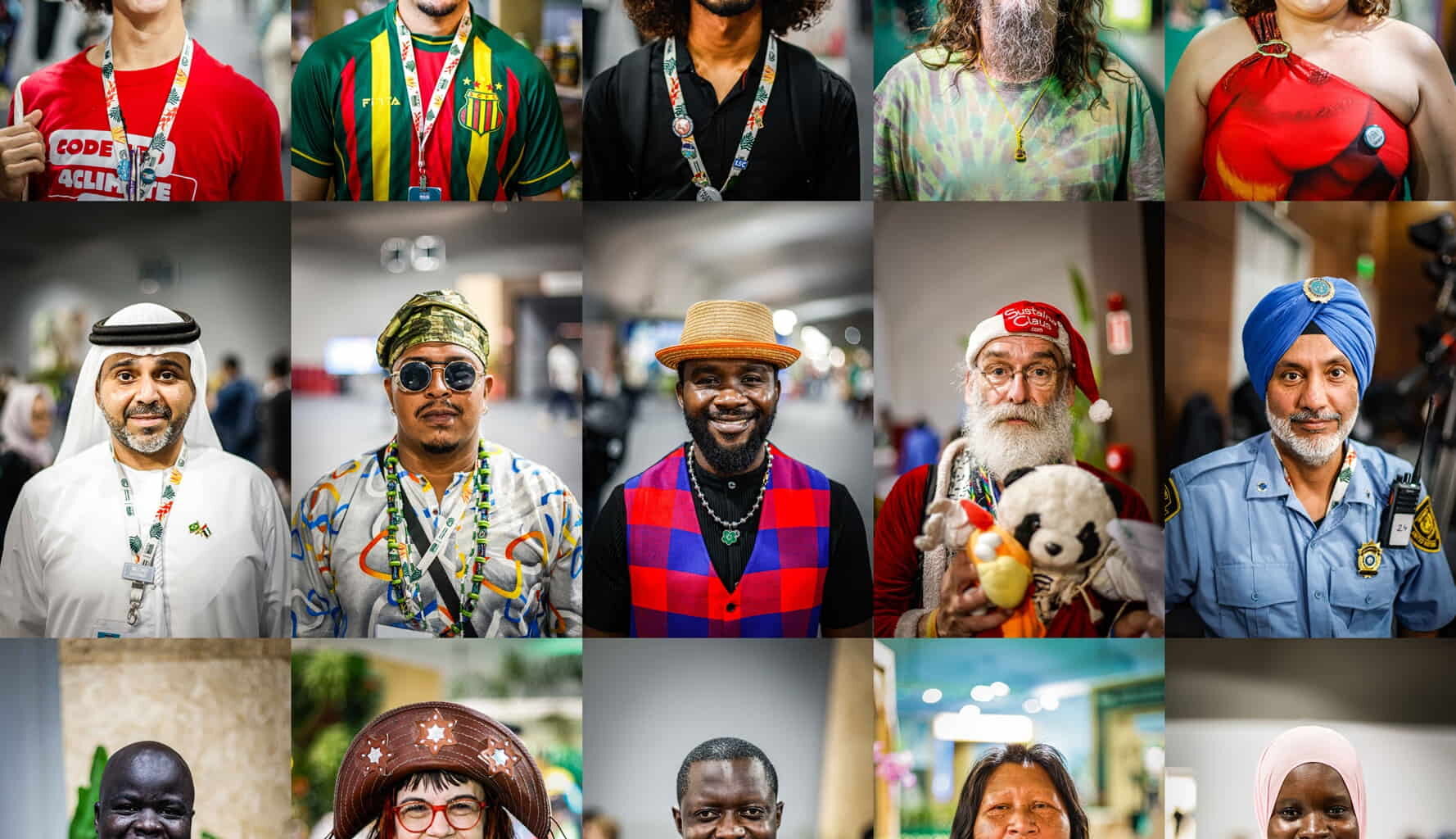
In the sweltering Amazonian city of Belém, the gateway to the rainforest known as the “lungs of the planet”, the air is thick.
Within the venue for COP30, the United Nations summit on climate change, officials hurry down cavernous corridors, clutching reams of paper. Activists chant slogans as they pass, decrying ecological destruction and failures of resolve. Not far away, country pavilions showcase renewable energy projects, businesses and lobbyists stitch up deals, while politicians proclaim national successes. At the gates of the venue, as an afternoon tropical downpour eases, small groups of indigenous peoples from the Amazon call for forest protection, inclusion, and land rights, as heavily armed military police watch on.
Widespread international support for the Australia-Pacific bid to host next year’s climate negotiations did not translate into a clear win.
COP31 deal
Amid this cacophony, Australia has been at the centre of global interest. Widespread international support for the Australia-Pacific bid to host next year’s climate negotiations did not translate into a clear win. Türkiye, also seeking the rights, forced a compromise.
The draft deal – yet to be formally adopted in Belem – falls short of what Australia sought. Türkiye will hold the presidency and host the meeting in the Mediterranean city of Antalya, meaning Australia will miss out on a large part of the investment and trade opportunities that go with hosting. Türkiye will also run the “action agenda”, which sets out voluntary commitments – and has become one of the more consequential parts of the COP in recent years.
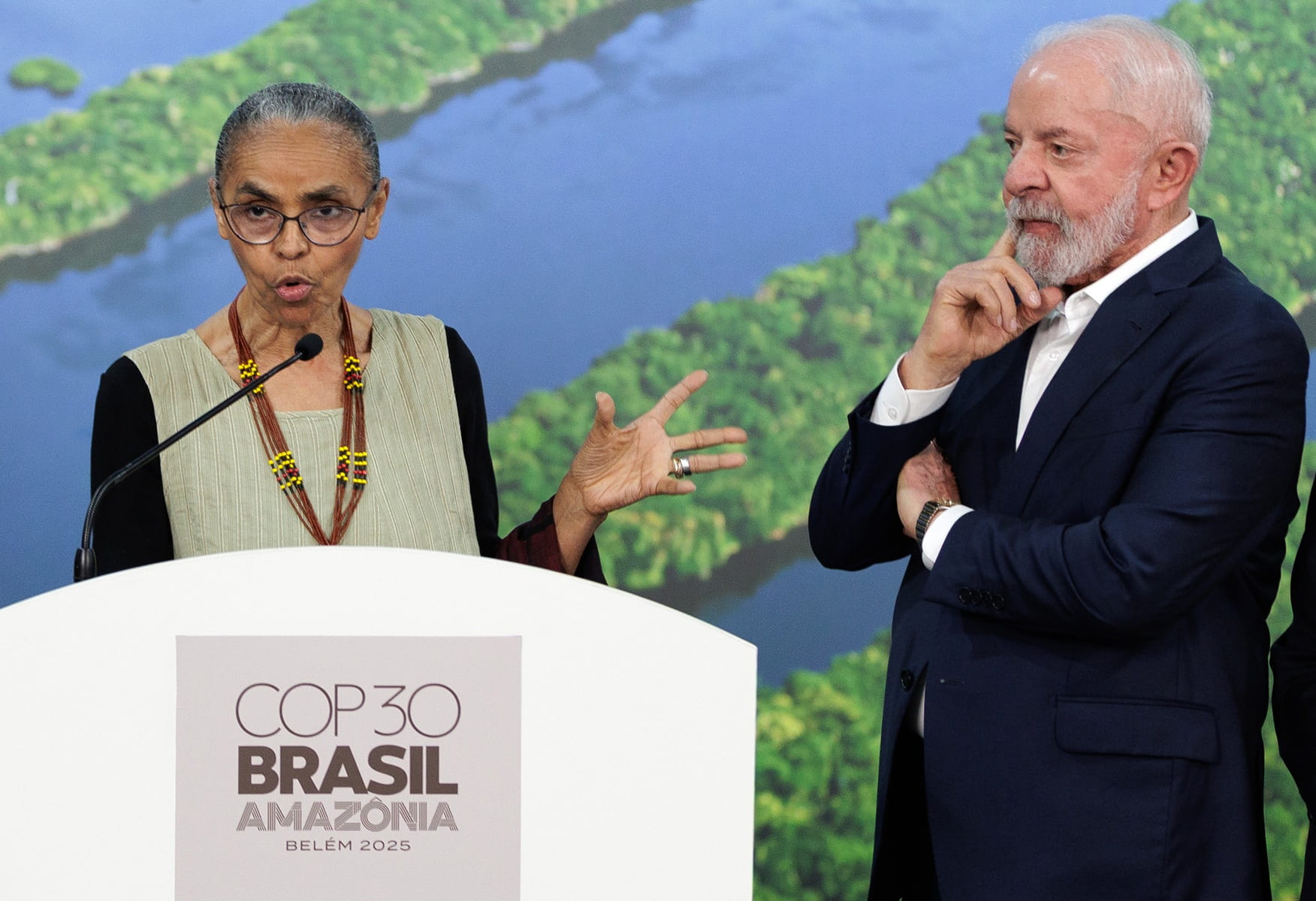
Marina Silva, Minister of State for the Environment and Climate Change of Brazil, speaks alongside Brazilian President Luiz Inácio Lula da Silva during COP30 in Belém (Rafa Pereira/COP30/Flickr)
But Australia has secured some concessions, too. Climate and Energy Minister Chris Bowen has carved out a role as “president of negotiations”, allowing him considerable sway on the formal outcome of the conference. A pre-COP summit in the Pacific Islands, where foreign leaders will be asked to pledge funding for the Pacific Resilience Facility, also retains some value and focus on the region.
This is an unprecedented arrangement between two very different countries, with different priorities, on opposite sides of the world. It will require much more fleshing out – and plenty of goodwill between Australia and Türkiye – if it is to operate well.
Multilateralism on the ballot
With next year’s hosting arrangements all but settled, Brazil, this year’s COP president, wants to turn to weighty matters of the moment.
The international system is buckling with geopolitical tensions, protectionism and distrust, while for the first time ever this year, the United States – the world’s second largest emitter – has boycotted the COP.
Brazil is hoping COP30 will show that the world is carrying on with the task of fighting climate change – and that multilateralism can deliver outcomes that matter to people.
Emissions reduction: do the numbers stack up?
The sharpest test of COP30’s success will be whether countries’ 2035 emissions reduction commitments, known as Nationally Determined Contributions, are collectively enough to keep global warming in check. With most of the world now having submitted their updated NDCs, three points are becoming clear.
First, the world is largely staying the course. No other country has followed the United States out of the Paris Agreement, the landmark treaty underpinning climate negotiations. The 2035 targets submitted largely maintain the trajectory to longer-term net zero commitments.
Second, the system is working. Over the past 30 years, COPs have helped alter the course of a world heading towards 4°C or more of global warming to about 2.3– 2.5°C now.
Brazil, highly regarded for its diplomatic finesse, is proving true to form.
Third, this progress still isn’t anywhere near sufficient. In the Paris Agreement, parties committed to limit global warming to “well below” 2°C, and pursue efforts to keep it under 1.5°C. The latter figure became a rallying call for global action, particularly among vulnerable small island states. But this year, it has become clear that overshooting this goal is all but assured. The question is how quickly countries will act to bring temperatures back down below that threshold.
Signs of change
Brazil, highly regarded for its diplomatic finesse, is proving true to form. It has coaxed parties closer to agreement on the “big four” negotiating items of temperature, money, trade and transparency – though there is still some way to go on these issues.
Potential progress is also in sight on one of the most controversial issues at COPs – a landmark commitment at COP28 in Dubai to “transition away from fossil fuels”. This language was so contested that at COP29 in Baku last year, Saudi Arabia and other major fossil fuel producers succeeded in expunging any explicit reference to it in the outcome text. In Belém, however, more than 80 countries have so far backed the idea of a “roadmap” away from fossil fuels to be a key outcome of the conference.
Momentum in the real world appears to be growing, too. In a significant change under its new leadership, South Korea, currently the fourth largest importer of thermal coal in the world and a major customer of Australia, announced this week at the conference it would close 40 coal-fired power plants by 2040.
COPs are many things to many people. They are messy, loud, and can feel like a circus at times. But here in the Amazon, a signal is emerging from the noise: progress is hard fought, but it is coming.