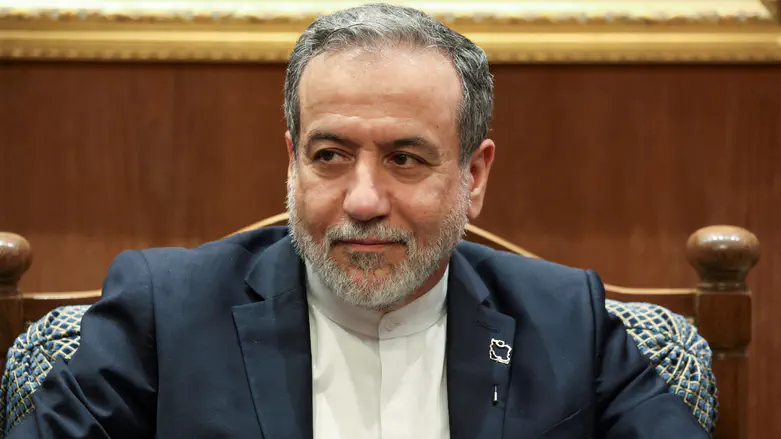
Iran’s Foreign Minister Abbas Araghchi declared Thursday that the Islamic Republic will not allow the International Atomic Energy Agency (IAEA) access to nuclear sites targeted during the recent war with Israel unless a specific agreement is reached.
“The facilities that were attacked have their own story, and until a decision is made and a conclusion is reached between us, the IAEA and others, cooperation is not possible,” Araghchi said in an interview posted to his Telegram channel, as quoted by the AFP news agency.
The interview, conducted by Khabar Online, was published just hours before the IAEA adopted a resolution demanding access to the bombed sites.
In mid-June, Israel launched an unprecedented bombing campaign against Iranian targets, triggering a 12-day war. The United States briefly joined the conflict with strikes on key Iranian nuclear facilities.
Following the strikes, Tehran suspended cooperation with the IAEA and barred inspectors from visiting the damaged sites, accusing the agency of bias and failing to condemn the attacks.
“The fact that they came and attacked and left… and now the agency comes to prepare a report for them on where (was attacked) and what happened and how much damage was done is not possible, it is clearly not wise,” Araghchi added.
An agreement announced in September between Iran and the IAEA, intended to resume inspections and uranium accounting, has since been declared void by Tehran after Britain, France, and Germany triggered the return of UN sanctions previously lifted under the 2015 nuclear deal.
The war also derailed nuclear negotiations between Tehran and Washington, which had resumed in April. The two sides remained divided over Iran’s uranium enrichment program, which Tehran insists is its “undeniable” right.
Since the conflict, Iran has expressed willingness to resume talks, but only on “equal footing.”
Araghchi rejected any discussion of Iran’s missile program or defense capabilities, stating: “Negotiating about missiles, for example, to reduce them, to reduce their range, to reduce their number, there is no greater betrayal than this.”
He also dismissed further dialogue with European governments, saying talks were “no longer useful” after they triggered the snapback sanctions.