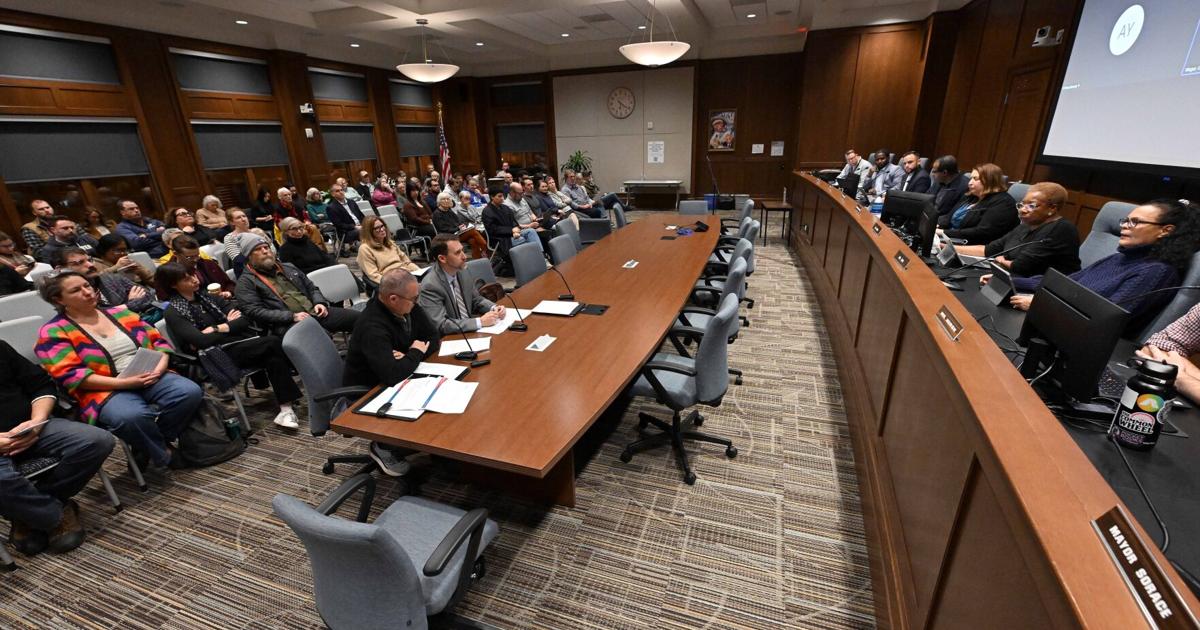
Despite the opposition of residents who urged them to delay or reject the deal, Lancaster City Council voted Thursday night to approve a community benefits agreement with the owners of two proposed data center campuses, a pact they said provides needed guarantees on air quality, water usage and renewable energy.
Council voted 6-1, with Janet Diaz against, to approve the deal with the owners of former printing plants at 216 Greenfield Road and 1375 Harrisburg Pike that have been proposed as artificial intelligence data centers with a combined construction cost of $10 billion.
Council President Amanda Bakay said she supported the agreement more for its quality-of-life protections than its guaranteed $20 million investment in economic development and sustainable development in the city.
“It addresses concerns that we have been hearing at council from members and that we have had ourselves for months,” Bakay said.
City solicitor Barry Handwerger, who presented the agreement, told council that rejecting the agreement would not likely affect whether the centers are built.
“If they meet the requirements of the law, they’re going to build the data centers, and you won’t have any of the benefits built into this agreement,” he said.
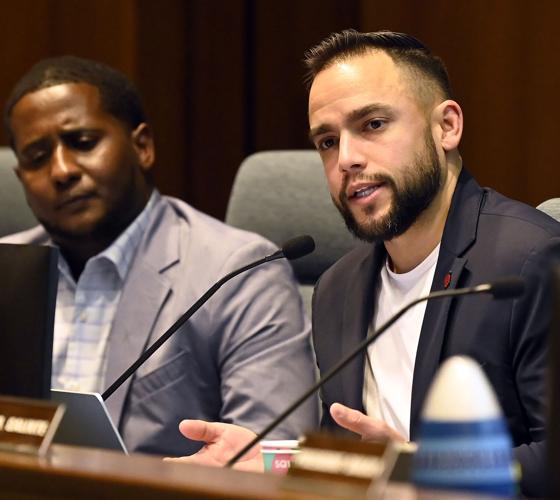
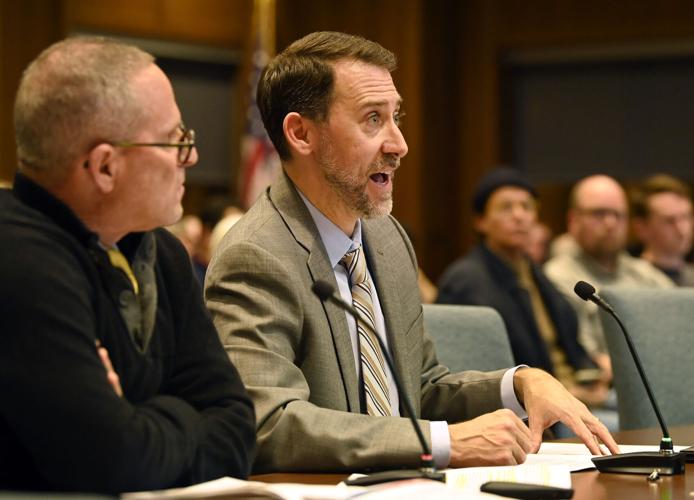
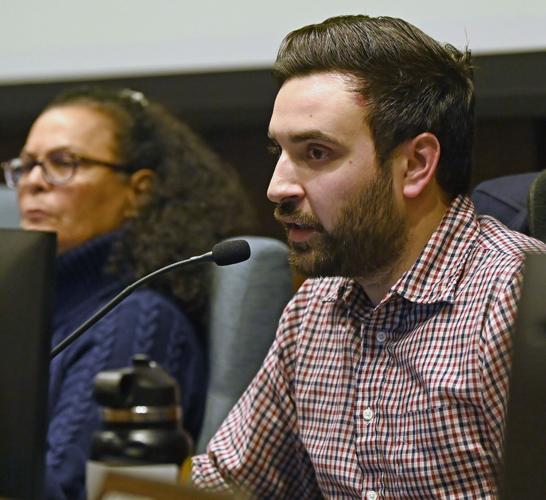
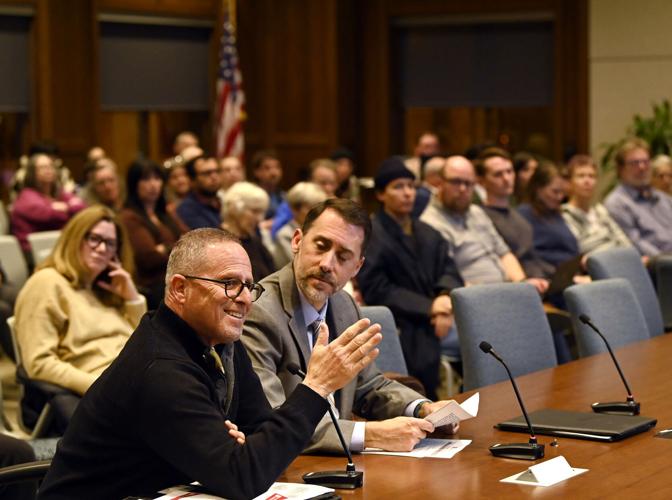
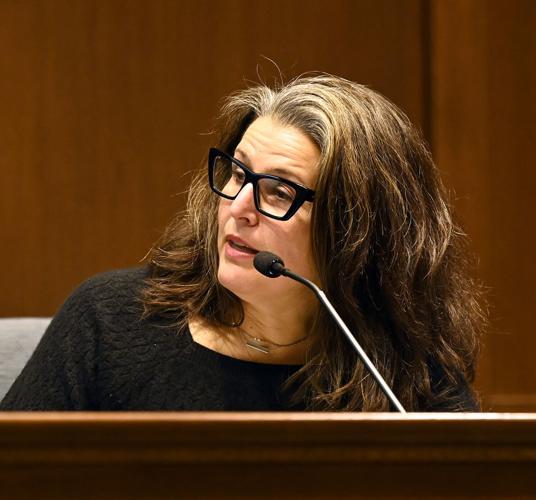
Handwerger said the agreement was the “final offer” negotiated between city staff and Chirisa Technology Parks, the project’s developer, and council could not amend it. While “tentative commitments” have been public since mid-October, the final agreement was made public Tuesday.
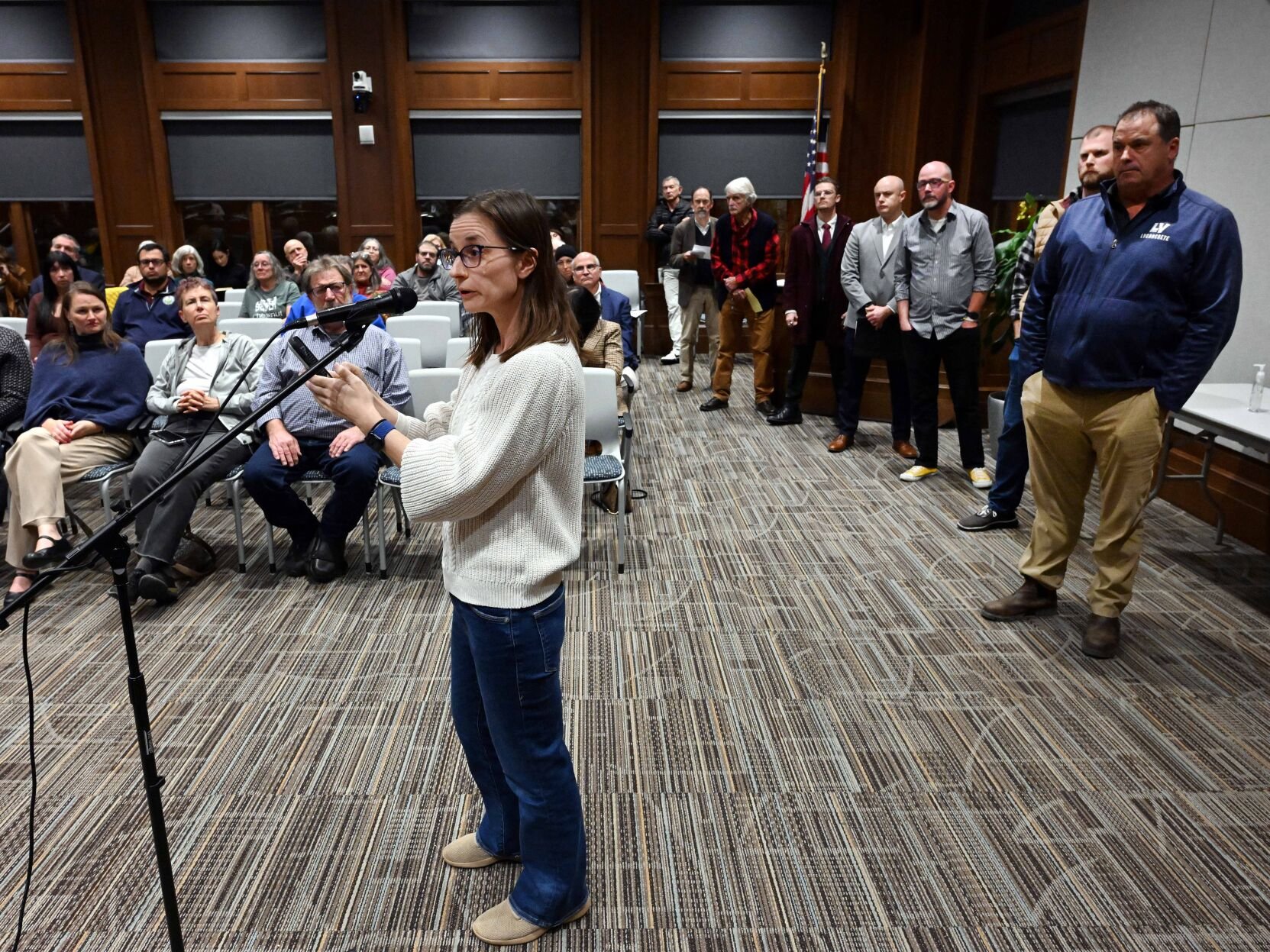
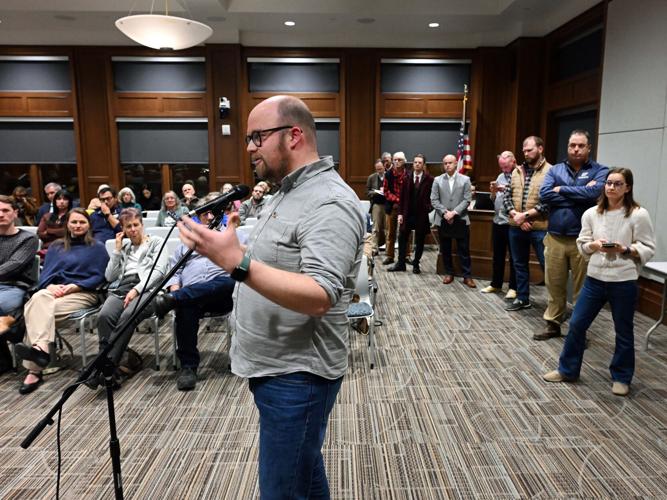
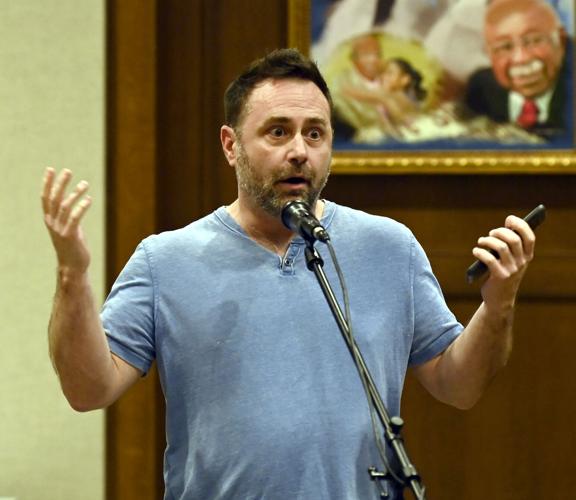
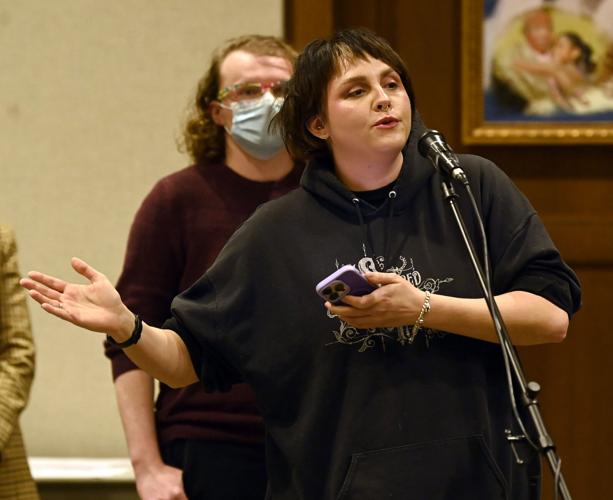
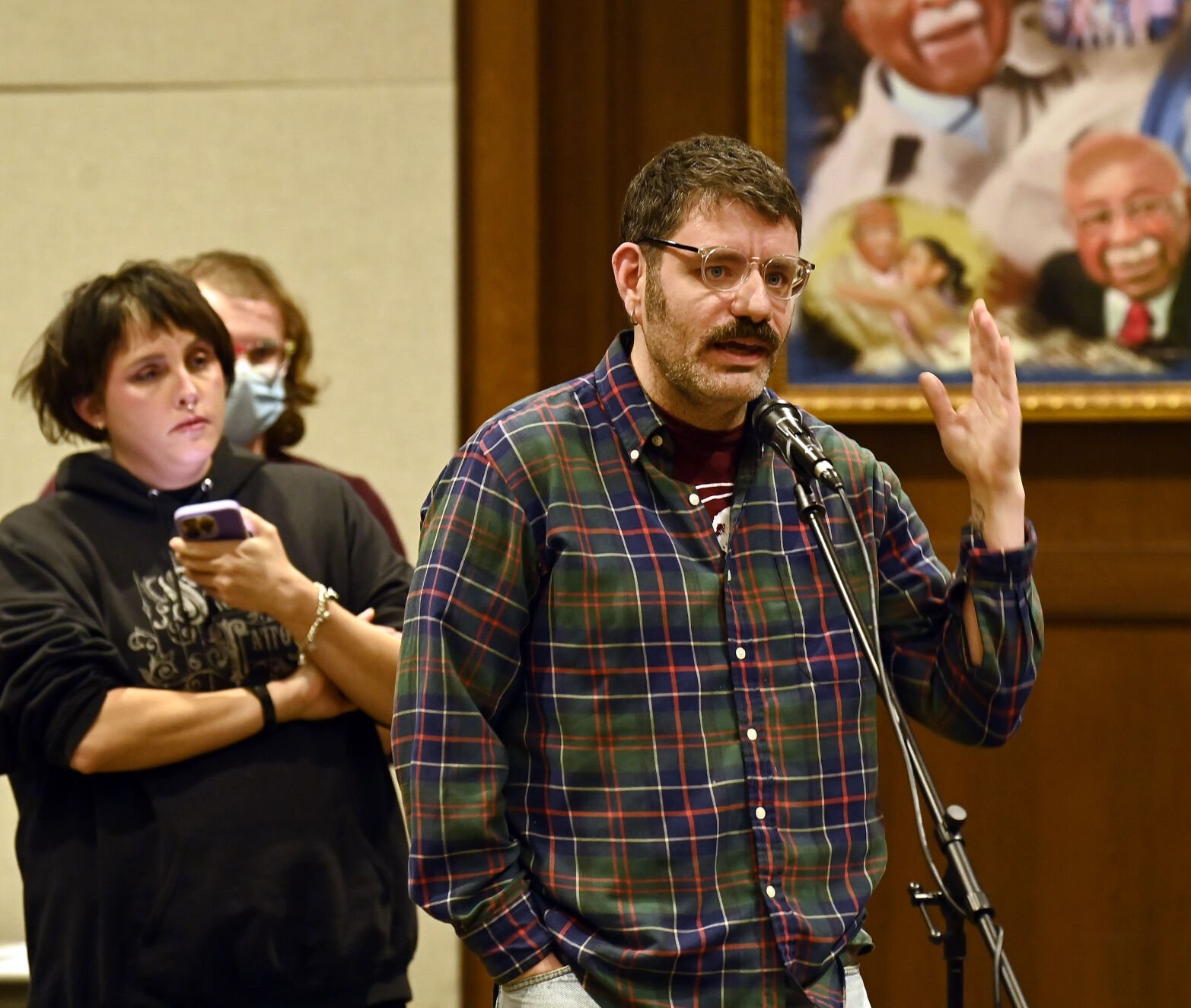
More than a dozen people spoke, most opposed to the centers and the agreement. Some, such as city resident Jenn Rodgers, said it was too soon to vote on the agreement and urged council to delay it for more community input.
“It should be written by the community,” Rodgers said.
Supporters of the project also spoke, including contractors who have received work on the project and local economic development agencies Lancaster City Alliance and EDC Lancaster County.
“This agreement puts us in a better place than where we would be if we did not have an agreement,” said Jeremy Young, vice president of community and economic development for Lancaster City Alliance.
Language in the contract says neither site will be affected by council’s proposed new rules on data centers — which would require zoning hearings and public input — as long as the owners submit development plans within two years. But it would require the owners to get city planning commission approval for the Harrisburg Pike site and phase two of the Greenfield development. Construction on the first of two data centers at the Greenfield Road site is already underway.
READ: Here’s a look inside the Lancaster data center developer’s Virginia facility
Northeast Lancaster resident Tony Dastra took issue with the city agreeing that the data centers are allowed under the existing zoning when a resident is currently appealing that approval.
“Why are we suddenly the welcoming city to data centers?” he said.
Councilmembers had questions about details of the ordinance, including how the city would enforce compliance with the noise limits and what would happen if the centers were abandoned.
Diaz said she was concerned about the owners getting tax incentives, which Mayor Danene Sorace said would not be possible given their location in the city.
Sorace has said the benefits in the agreement are atypical for data center proposals in Pennsylvania and would not have been obtainable through a zoning ordinance. If the properties are sold, the buyer would be required to uphold the deal. The environmental commitments are enforceable by court action.
“From a standpoint of enforcement, you can’t get much stronger,” Handwerger said.
According to the agreement, the $20 million financial contribution would be secured up front with a letter of credit. It would be paid out in increments during construction on the Greenfield Road center and split equally between economic development and sustainable development funds.
Quality-of-life protections include a guarantee that the noise from the centers can’t be greater than currently exists for nearby houses and parks. The 176 backup diesel generators must meet state and federal air quality standards and be tested only on weekdays during the day. There are also requirements for landscaping, e-waste, emergency management and hiring policies.
The owner has also promised to get its electricity from 100% renewable sources — which includes nuclear — for the first 10 years of operation or pay millions to the city. They would be unable to operate if they use less than 60% renewable.
City resident Darrell Lagace called the clean energy provision “pay to pollute,” especially because the penalties — which could be millions of dollars — would only be a fraction of the project’s $10 billion cost.
“A bad deal could be worse than no deal,” Lagace said. “I’m not convinced this is a bad deal yet, but I think we should at least consider the possibility.”
