Estimates from the Congressional Budget Office suggests that about 90,000 people in these categories will no longer be SNAP eligible.
KNOXVILLE, Tenn. — Major changes to the nation’s Supplemental Nutrition Assistance Program, also known as SNAP, will leave thousands without food assistance. One restriction within President Donald Trump’s megabill, signed into law in July, will restrict refugees, asylum seekers, and those granted legal protection for humanitarian reasons from receiving SNAP benefits.
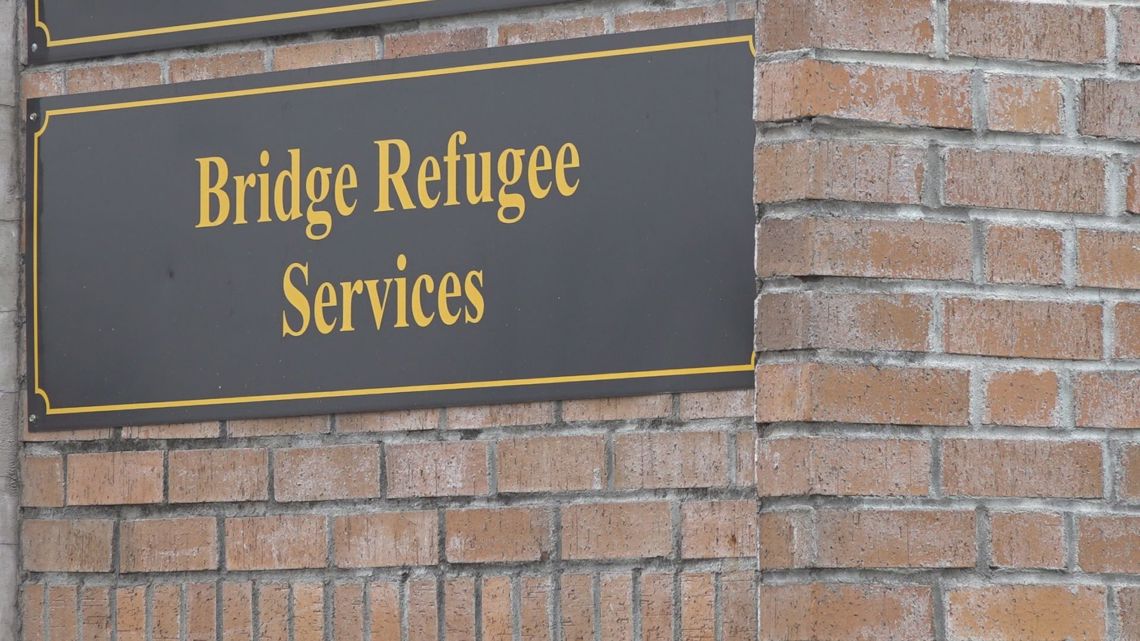
“Resettlement is being systematically dismantled in East Tennessee, in Tennessee at large, in the country at large,” Noah Jones, Bridge Refugee Services executive director, said. “That is a real problem because our clients are here to work and they are here to become contributing members of society.”
Refugee service providers like Bridge Refugee Services say this is a barrier for these already vulnerable communities, and what’s happening is the system in which they arrived is being stripped away.
“The promises that they arrived under are being rescinded,” he said. “It doesn’t feel like we are a welcoming region any longer.”
Jones works with 250 clients in the Knoxville area and 150 clients in the Chattanooga area who have now lost their SNAP benefits. However, he said some of them did receive partial SNAP payment for November.
“Based on a cold reading of the USDA memo, there is the potential that funds that hit anytime after Nov. 1, and the restarting happening, can eventually be pulled back should the state wish that at their discretion,” Jones said. “No official word has come from TDHS or from the USDA regarding it specifically.”
Kara Stywall with the Nashville International Center of Empowerment said refugees are fleeing conflict, war, or persecution and are in imminent danger. Refugees and asylees are legally protected under the United States and international law, and need to prove that it is unsafe for them to stay in their home country or return to their home country.
“A lot of them are coming from having lost everything and so they’re starting at ground zero,” Stywall said. “Those SNAP benefits really do help with laying stability for them as they’re building life in the U.S.”
Estimates from the Congressional Budget Office suggest that about 90,000 people in these categories will no longer be SNAP eligible. Signe Anderson with the Tennessee Justice Center said a big misconception is that SNAP is eligible to illegal immigrants.
“SNAP has never been available to people who are in the United States illegally,” Anderson said. “There’s always been a mechanism for immigrant households and immigrant families who have come here, because they’re fleeing wars or have helped the United States in some of the wars that we’ve been involved with overseas.”
President Trump’s megabill doesn’t just strip asylees and refugees of food assistance. Trafficking victims previously certified by the Department of Health and Human Services and some special immigrant VISA holders who worked for U.S. forces are also ineligible now.
“We have seen the value in welcoming people and individuals from other countries who are struggling with all sorts of different circumstances and now these new rules are cutting those individuals from the SNAP program,” Anderson said. “These are people who we, as the United States, have decided should be here because of certain circumstances that are happening in their countries.”
Additional changes regarding SNAP were included in the bill, including a raised age limit for people who need to meet work requirements, going from 54 to now 64. Further exemptions for parents or family members who have responsibility for a dependent under 18 years old were also changed to under 14 years old. And one of the biggest changes Anderson pointed out is that states have to share in the cost of SNAP benefits. States with SNAP payment error rates greater than 6% would have to pay a share of SNAP benefit costs starting in 2028.
“It doesn’t happen immediately,” Anderson said. “I think there’s been a lot of kicking the can down the road, but this is going to be a significant burden to the state.”
We reached out to the Tennessee Department of Health Services regarding the now-decreased eligibility for refugees for a comment:
We did issue a press release on September 22nd announcing the new work requirements under HR1 for SNAP Able-bodied Adults without Dependents (ABAWD). For more information, please review the full announcement here.