WANA (Nov 21) – Ninety-three years have passed since the rial became Iran’s official currency—an event that took place at the beginning of Nowruz in 1932, marking a new chapter in the country’s financial system.
Before 1931 the qeran served as Iran’s primary unit of currency. It was widely used in financial transactions and circulated alongside foreign currencies such as the Ottoman lira and the Indian rupee. Although the qeran had long been part of Iran’s monetary structure, the country’s expanding economic needs and the growing necessity to align with global standards gradually diminished its effectiveness.
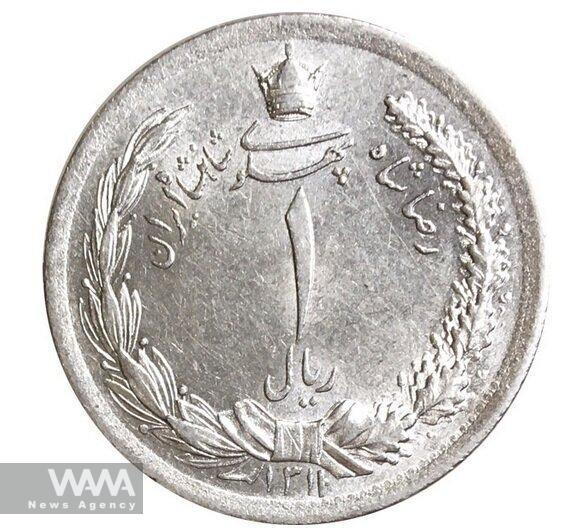
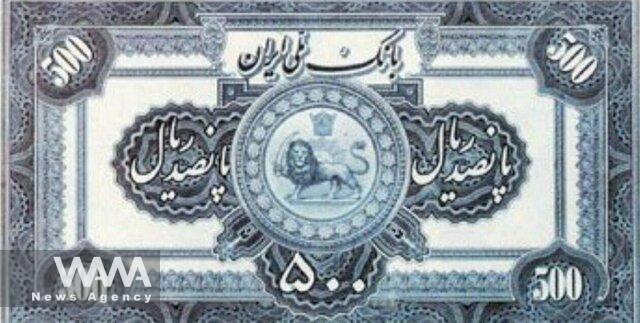
In response, the government introduced the rial as the new national currency during Nowruz 1932. This shift was part of broader structural reforms aimed at modernizing Iran’s economy. The Bank Melli Iran—holding the exclusive authority for printing banknotes and minting coins—assumed responsibility for designing and issuing the first series of rial banknotes and coins.
The initial rial banknotes issued by Bank Melli symbolized Iran’s entry into a new era of financial organization and modern economic policy. These notes quickly replaced the qeran in daily transactions, firmly establishing the rial as the country’s dominant currency. The adoption of the rial marked not only a change in monetary units but also a significant step toward building a more structured and contemporary financial system.
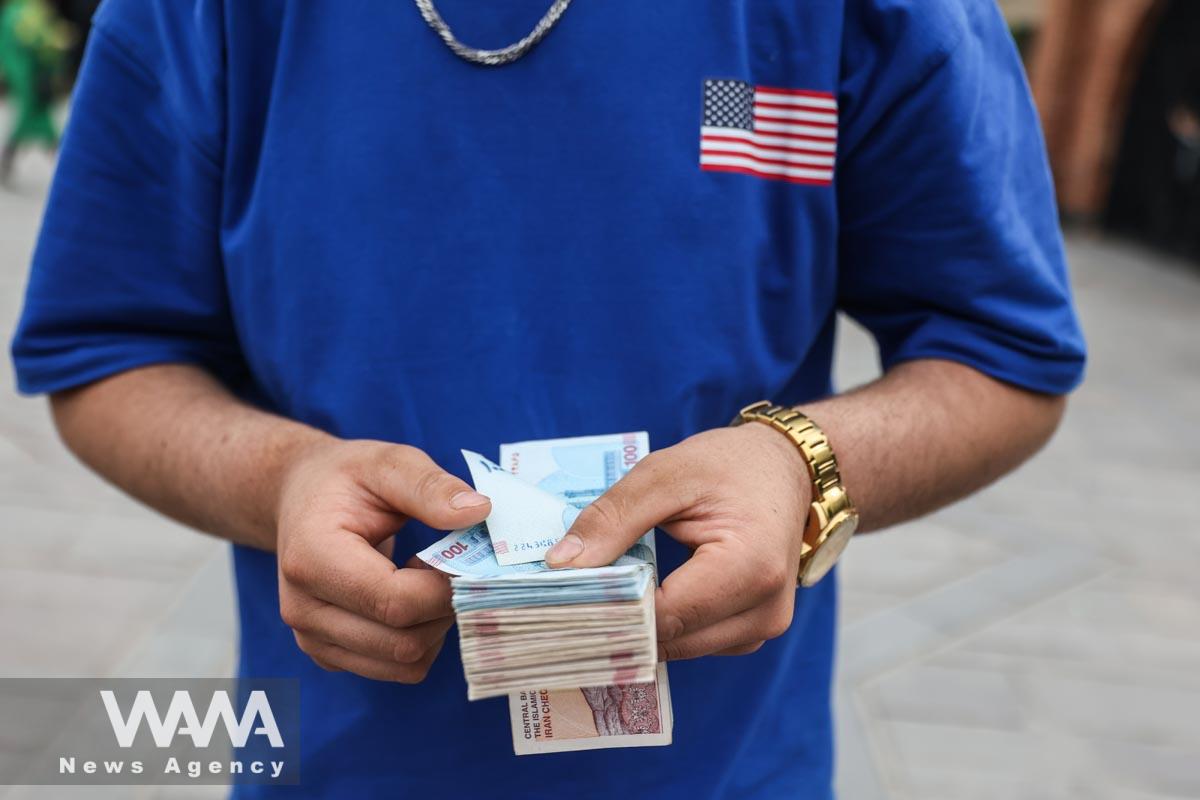
Today, after 93 years, the rial remains Iran’s official currency—though ongoing economic developments and discussions around monetary reform continue to shape its future.