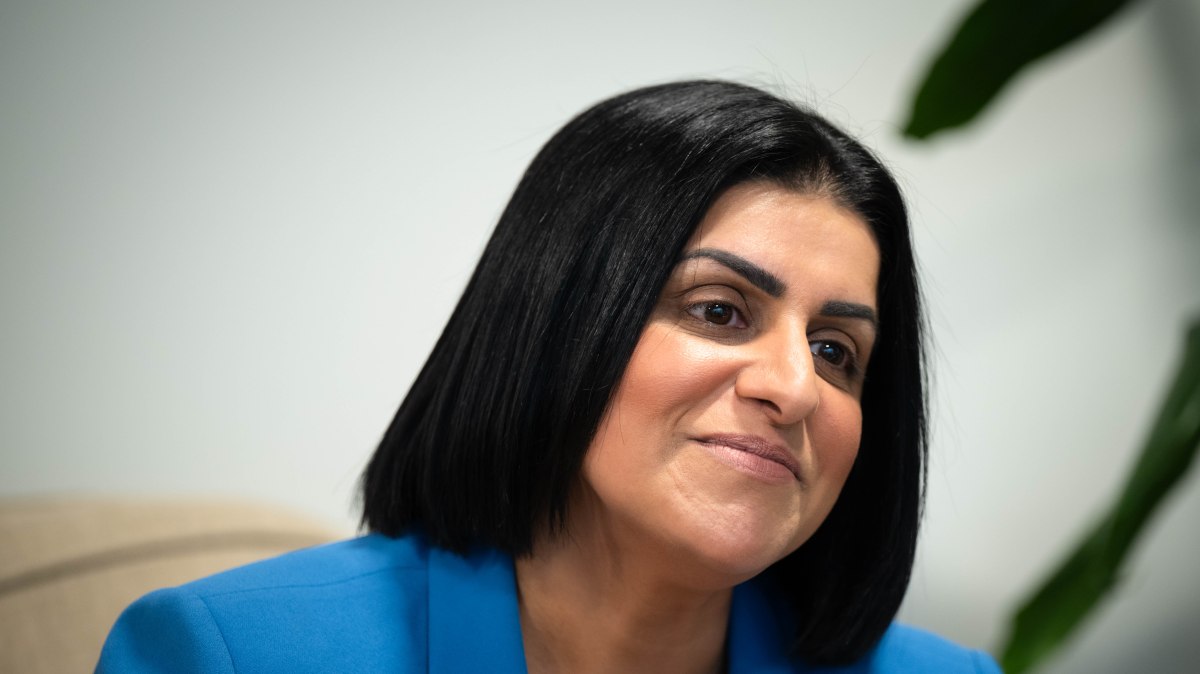
Britain has become more racist, Shabana Mahmood has said, but she warned Labour MPs it will get worse unless they stop “gaslighting” voters about immigration.
The home secretary said some of her colleagues were failing to reflect the valid concerns of their constituents after criticism of her plans to overhaul asylum laws this week, which include granting refugees temporary stay, seizing assets from illegal migrants to pay for their accommodation and deporting families rejected for asylum.
In an interview with The Times, she said some of the criticism from a “vocal minority” of Labour MPs was “delegitimising” the views of their voters.
She criticised comments by Cat Eccles, the Labour MP for Stourbridge, who accused the home secretary of peddling “myths” about the asylum system to “appease the electorate”.
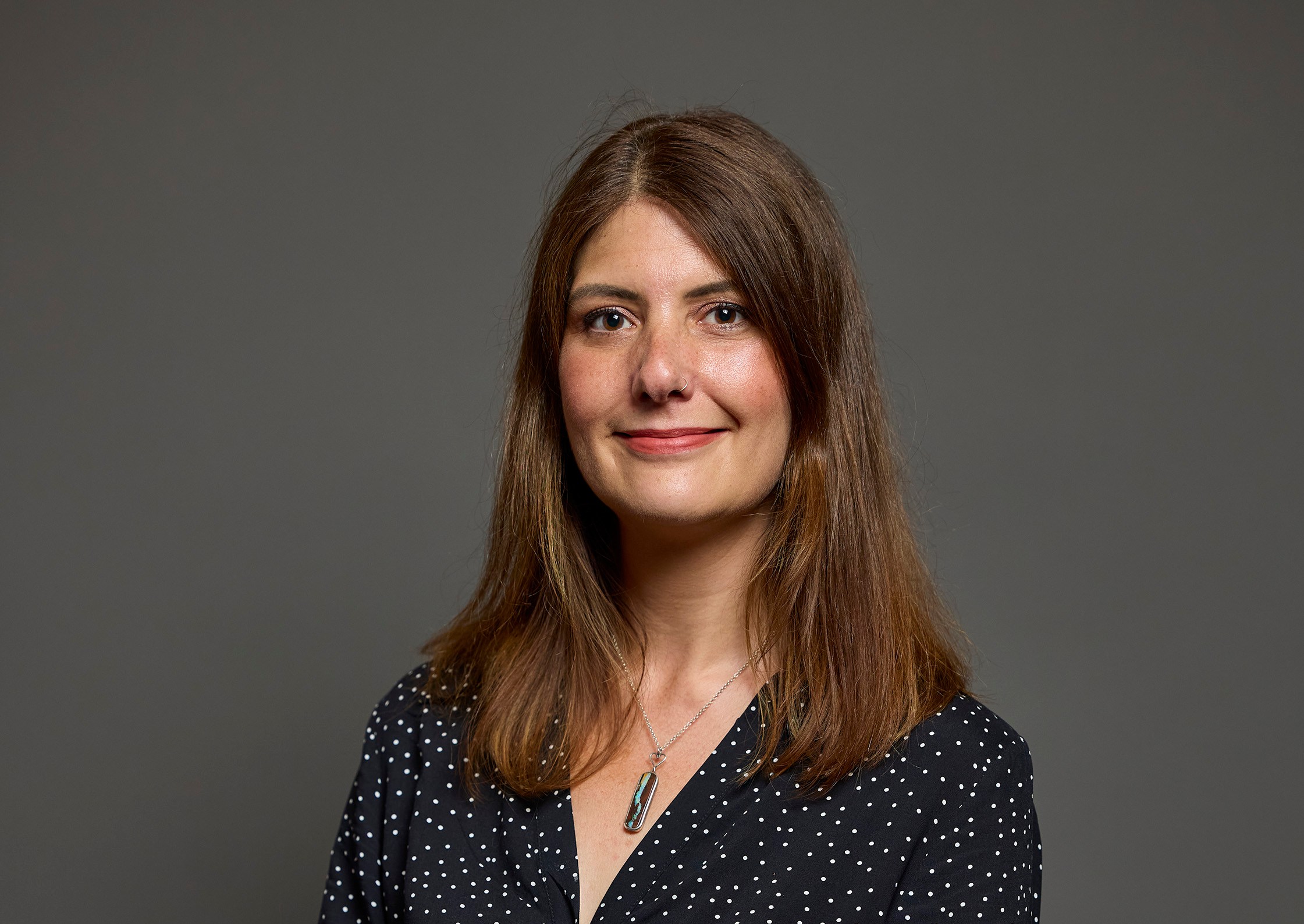
Cat Eccles
ROGER HARRIS/UK PARLIAMENT
Mahmood said: “Appeasing voters is a misrepresentation because I actually think this is fundamental to how members of parliament should do their job. They should represent the best interests of the people that put them in this place in the first place.
“For me, it’s actually really quite simple. We all have communities that we represent. In every constituency, there will be a coalition of people that can broadly agree on most things. And it’s your job as a parliamentarian to reflect those views.”
She added: “They [voters] see a system that’s broken, they have the evidence of their own eyes. I think it’s perfectly right for them to tell their MPs about it. What I don’t think anyone should do is gaslight them and pretend that that’s just not what’s happening. Because it is.
“I have a responsibility as a home secretary. I can see a broken system. I’m not willing to tolerate that broken system. I’m certainly not willing to tolerate it tearing my country apart. And so I’ve got a duty, a moral duty, to do something about it.”
• What questions remain unanswered in Mahmood’s asylum reforms?
Mahmood, the daughter of immigrants from Pakistan and a practising Muslim, said she had never experienced as much racism as she does now. She said measures against illegal immigration were vital to stop more people being won over by far-right narratives.
She accepted that government failure was to blame for “driving the public anxiety” about immigration and “feeling like they never had a say over what the migration system looks like, that it was done to them”.
Mahmood said: “Both mainstream parties at different times have struggled to have a sensible conversation about immigration.
“I think for more mainstream people who are not motivated by bad faith or looking to hate their neighbours or suddenly have woken up in a country they despise but they are worried, then that’s why I, as a politician, think it’s so important to arrest that journey that starts with resentment and anger and can lead to hate.”

Mahmood shocked MPs in the Commons on Monday when she reacted angrily to being accused of “stoking division” with her language. She revealed how she was regularly called a “f***ing P***”.
In her interview, she laid bare the scale of abuse levelled at families. She said: “Being called a f***ing P*** is not a new thing for me, but there’s a lot more of it around in recent times than there has been over the course of the rest of my life. And more of my own family have been racially abused in that way recently. Every ethnic minority in Britain I know basically reports to me.
“My family members, my immediate family members, my extended family members, my parents, my siblings, my cousins. There are examples across our family and also the people I represent — more people telling me about being sworn at, told to f*** off home. That’s becoming a bit too common these days again. ‘F***ing P***, f***ing Muslim’. Headscarf-wearing Muslim women in particular attract ‘f***ing Muslim’ on a regular basis.”
She added: “The position on race relations, I feel, if you’re an ethnic minority in Britain, you can say with confidence, unfortunately, has deteriorated.”
Mahmood blamed the increasing success of far-right figures feeding off “resentment and anger” among the public. “There’s definitely an attempt by the far right, by those who will never accept that people like me could be English, could be British and could be truly a part of this country, to try and grow their numbers,” she said.

Migrants prepare to cross the Channel from Gravelines beach near Dunkirk
TIMES PHOTOGRAPHER JACK HILL
The home secretary claimed that Reform UK and some in the Conservative Party were blurring the lines of “what is acceptable in mainstream society and what is not”.
She said Nigel Farage’s policy to abolish indefinite leave to remain — the right to live, work and study in the UK long term, including withdrawing the status from people who are already here — was dangerous. Mahmood added: “If they’re coming for those who’ve been here for 20 years on indefinite leave to remain, what about those whose British passport is only one generation old?”
While Mahmood does not think the policy is racist, she said it was “immoral” and there were “darker forces around Reform”, adding: “I certainly think it’s a dog whistle to every racist in the country.”

Nigel Farage
TOLGA AKMEN/EPA
She insisted there was a clear distinction between his policy and her reforms, which would require newly arrived applicants to wait significantly longer to settle.
Mahmood admitted it had been “a difficult start to government” for Labour. The party’s dire poll ratings have triggered increasing speculation about a leadership challenge against Sir Keir Starmer.
She said big mistakes had been made, including the U-turns on means-testing the winter fuel payment and welfare reforms, which were scrapped after a rebellion from Labour MPs threatened to defeat the government.
Mahmood said No 10 needed to “get on the front foot and be able to communicate more effectively” and admitted there had been too many own goals. She said: “I think we have got in our own way in terms of getting our own message out.”
The home secretary said she was “frustrated and impatient” with efforts to reduce the number of migrants crossing the Channel on small boats. So far this year, 39,292 migrants have arrived in small boats, of which 10,289 have arrived since she became home secretary.
However, she refused to guarantee that the numbers would fall by this time next year, saying: “I don’t want to give a timeline.”
She said the radical shake-up of the rules, which aim to make it significantly less attractive to claim asylum, would take time to take effect as they were a “huge shift in the way that we do migration overall in this country”. She admitted that the “complex” changes would take time to have an impact on the behaviour of migrants and people smugglers.
Mahmood blamed the small number of migrants being deported to France under the one in, one out migrant returns deal on the political instability in Paris, which she described as “quite challenging”.
More than 100 migrants have been deported to France under the scheme, less than 1 per cent of all arrivals since the treaty came into effect in August.