Its latest proposals would close hotels, cut refugees’ initial leave from five years to 30 months, restrict family reunion, tighten asylum support, and speed up removals of those with no legal right to stay.
Home Secretary Shabana Mahmood said the current asylum system “feels out of control and unfair.”
She said: “The impact on this country has been profound. Over 100,000 people now live in asylum accommodation, funded by the taxpayer.
“Many refugees remain unemployed several years after being granted protection, depending on taxpayer funded benefits to live in the UK. This must change.”
Three hotels in Bournemouth are known to be housing asylum seekers, a contentious topic that has seen residents protest both for and against housing people seeking asylum within hotels in the town.
(Image: NQ)
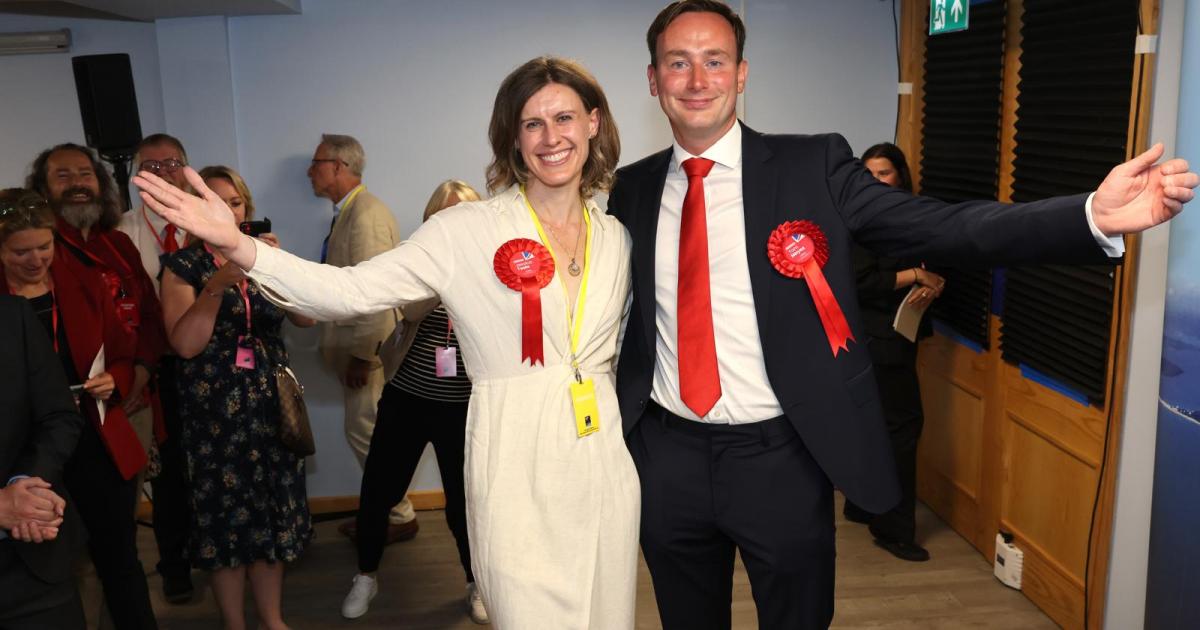
Both Bournemouth MPs, representing the Labour government, have spoken out about their fight to close these hotels, opting for a different solution to hold asylum seekers while their claims are processed.
The new ‘tough’ asylum plan proposes closing hotels, which officials say may act as a “pull factor” for people moving to the UK from other safe countries.
Speaking about the plans, Tom Hayes MP for Bournemouth East said: “Since day one of my election, I have been working to close hotels in Bournemouth.
“They are bad for many, especially asylum seekers. Imagine fleeing sexual assault, war, famine, and drought, then being put up in a grimy hotel. It’s not the 4* experience people think it is.”
Jessica Toale MP for Bournemouth West is also in favour of moving asylum seekers out of hotels and criticised the previous government’s “lack of action,” which she said led to the backlog we have today.
She said: “Under the last government, asylum processing slowed, hotels were overused, and thousands of people with no right to be in the UK weren’t removed. We’ve addressed the backlogs, increased removals, and are working to end hotel use by the end of this Parliament.”
The government has said it will also target illegal working, clamping down on those employed in the gig economy, with engagement planned with delivery companies including JustEat, Deliveroo, and Uber Eats to stop undeclared work.
New appeals measures are also expected, with a fast-track system giving asylum claimants only one opportunity to make a claim and one opportunity to appeal.
Toale said: “We need a system people can trust. Fast-tracking appeals prevents abuse while ensuring those fleeing danger aren’t left in limbo for years.”
Hayed added: “Our country will always offer sanctuary to vulnerable people fleeing danger, as we have done for Ukrainians.
“But to preserve this compassion, our asylum system must operate with order and control.
“People need to see that rules exist, that they are being enforced, and that no one is receiving a free rid because genuine asylum seekers clearly are not.”
The overhaul will include a move to temporary refugee status, similar to the Homes for Ukraine scheme, and the creation of new safe and legal routes for refugees to reduce dangerous journeys across the English Channel.
Toale added: “By offering opportunities for work and study, refugees can contribute to society and rebuild their lives, while communities see the system is fair and controlled.”
The government maintains that, while the system will be stricter, it will continue to offer sanctuary to vulnerable people fleeing conflict, persecution, or disaster, balancing compassion with control.
Jessica Toale said: “We’ve tried to find a really fair and balanced way to deal with the asylum system, recognising Britain has a really strong history of being an open and welcoming country and a place that’s tolerant and generous as well, but recognising that the pace and scale of illegal immigration is out of control and has placed a huge burden on communities.”