DONATION WEEK
In this season of Gratitude, we are thankful for our mission of hope.
This Thanksgiving week, become a part of Aleteia’s mission.
Share hope with the world.
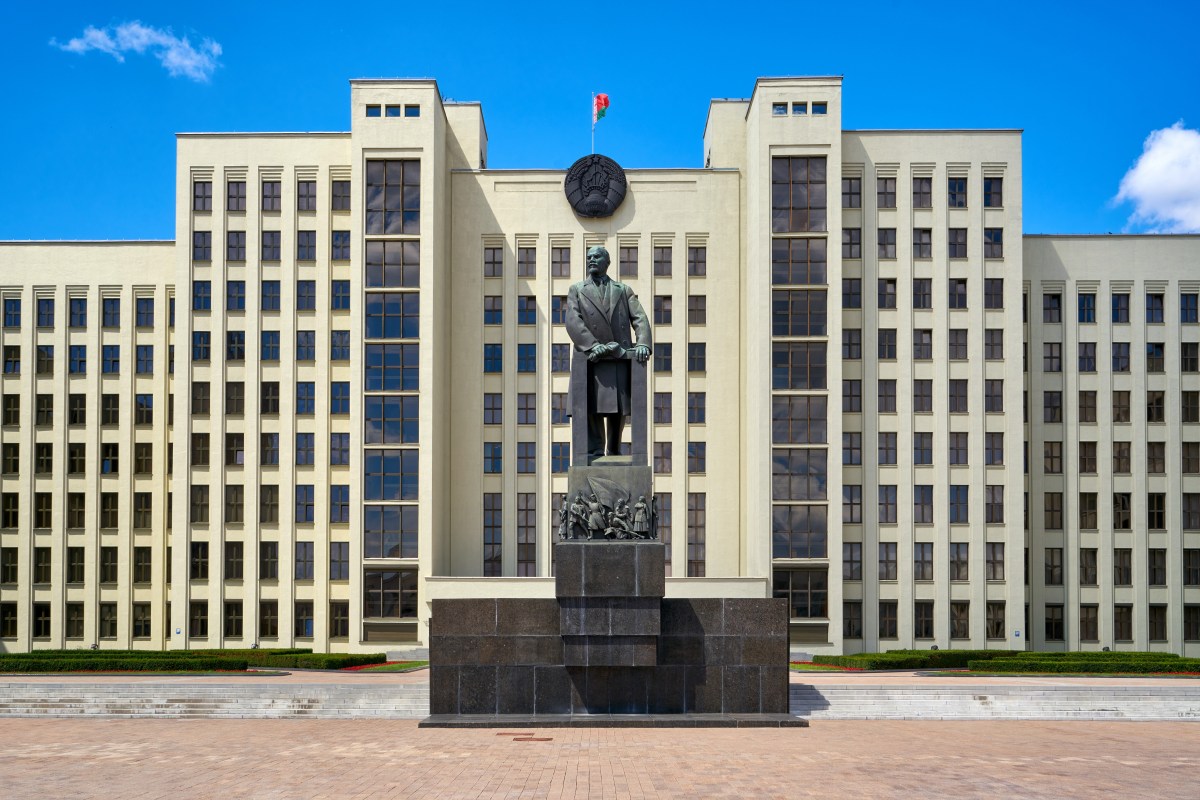
Belarus has released 31 Ukrainian civilians along with two Roman Catholic priests, a development that marks one of the most significant prisoner releases in the country in more than a year. The announcement, made by Belarus’ state news agency Belta, came after negotiations involving Minsk, Kyiv, Washington, and — quietly but decisively — the Vatican.
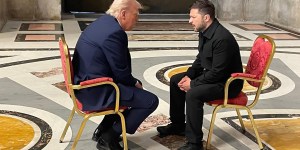
Ukrainian officials confirmed that the 31 civilians, who had been sentenced to prison terms ranging from two to 11 years, crossed back into Ukraine where they will receive medical care and rehabilitation. Their release follows months of diplomatic maneuvering, including discussions between Belarusian President Alexander Lukashenko and U.S. President Donald Trump.
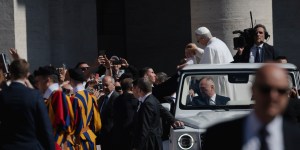
But a second part of the story is drawing global attention: the liberation of two Catholic priests, both held on charges widely criticized by human-rights groups. Their freedom follows a visit in October by Pope Leo’s envoy, Cardinal Claudio Gugerotti, who traveled to Minsk for delicate talks at a time when the local Church faced mounting pressure.
Lukashenko’s search for openings
Alexander Lukashenko has ruled Belarus for more than 30 years, maintaining power through an authoritarian system that has survived mass protests, international sanctions, and a deepening reliance on Moscow. His alliance with Russian President Vladimir Putin tightened dramatically after Minsk supported Russia’s full-scale invasion of Ukraine. Belarus allowed Russian troops to use its territory for military operations and has since become one of Moscow’s most dependable political partners.
That partnership, however, has come at a cost: Belarus faces heavy Western sanctions and increasing isolation. For more than a year, Lukashenko has sought limited ways to soften his image and revive diplomatic channels, especially with Europe and the United States. Since mid-2024, he has approved the release of several hundred prisoners—most of them political detainees. The freeing of Ukrainian civilians and Catholic clergy fits into this cautious, strategic pattern.
The two priests at the heart of the story
Only after Cardinal Gugerotti’s visit did Minsk agree to free Father Henrykh Akalatovich, 65, and Father Andrzej Yukhnevich, both of whom had become emblematic cases for international observers.
Father Henrykh Akalatovich served as parish rector in Valožyn. He was sentenced in 2023 to 11 years on charges of high treason, accused of spying for Poland and the Vatican. He denied all accusations, and human-rights groups argued the case was fabricated. His arrest occurred shortly after major cancer surgery, deepening concern for his health.
Father Andrzej Yukhnevich received a 13-year sentence in April 2025 on charges of child abuse. He, too, denied the accusations. Supporters noted that he had previously been detained for posting a Ukrainian flag on social media and for public expressions of solidarity with Ukraine—actions Belarusian authorities increasingly interpreted as political dissent.
Both priests became symbols of the pressure placed on clergy who attempted to remain pastorally present during a turbulent political climate. Their release, though welcome, does not change the fact that more than a thousand political prisoners remain in Belarus, including other religious figures. Still, for many Belarusians—and for Catholics worldwide—the liberation of the two priests offers a moment of cautious encouragement.
Support Aleteia’s mission with your donation