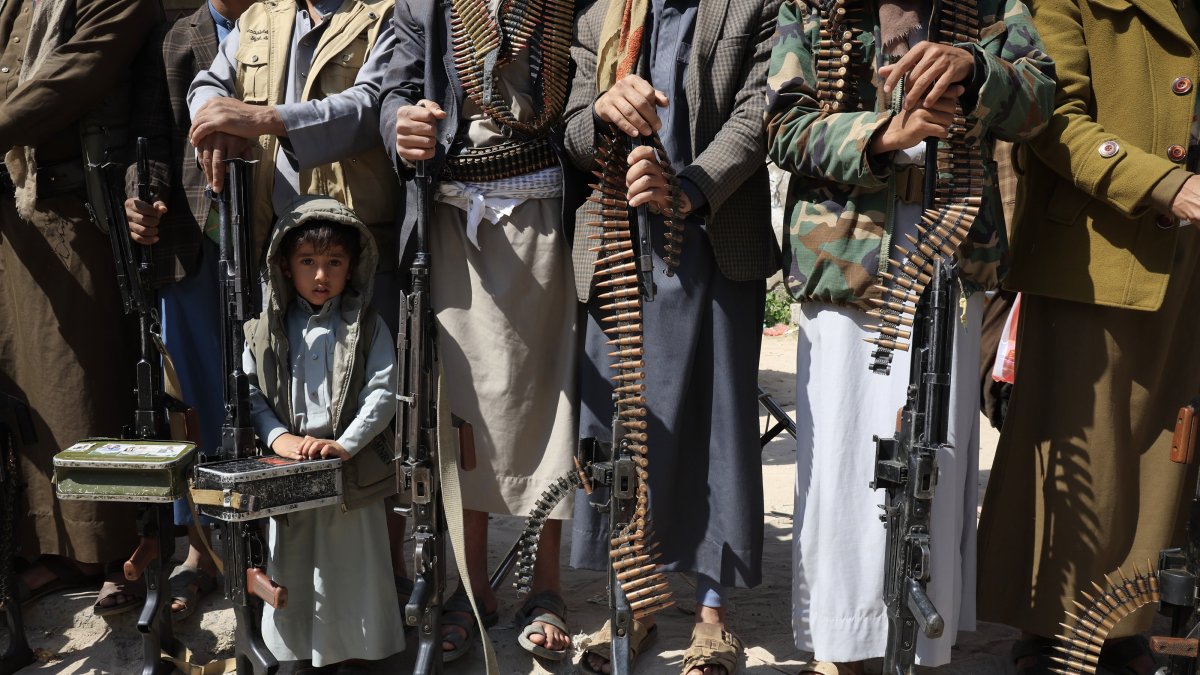
The Middle East is sliding into another storm, more uncertain than any in recent memory. What began as limited clashes between Israel and Iran is now reshaping the region’s power balance. In this tense moment, Yemen’s Houthis are drifting toward danger. The Israeli strike that wiped out much of their Cabinet did more than kill leaders; it destroyed their aura of invincibility and revealed how much they had relied on Iran’s weakening power.
For years, the Houthis called themselves the vanguard of resistance, guardians of faith and sovereignty against foreign threats. Since the strike, that image has crumbled. Their defiance has turned inward, replaced by suspicion and revenge. Obsessed with control, Houthi leaders now purge their ranks, chase imagined traitors and silence dissent. What once claimed to be a movement of liberation has become an inward-looking regime feeding on fear.
From resistance to decay
In areas under Houthi control, fear has become the real source of authority. In recent weeks, loyal judges have replaced independent ones, turning the courts into a tool of political control. The SAM Rights Organization warns that the group plans new trials to silence what is left of the opposition. While denouncing Israel and the United States as enemies, the Houthis brand their own critics as foreign spies, making dissent a crime.
The arrests in Dhamar show how far this paranoia has gone. Former Islah Party members, community figures and journalists are seized from their homes by armed men and disappear into secret detention. The message from Sana’a is clear: obedience means survival. The movement once admired for defying foreign powers now rules through the same oppression it once condemned.
This wave of repression exposes more than fear. It reveals a deeper collapse, a movement losing direction, a leadership without legitimacy and an ideology drained of meaning. The Houthis can no longer lead by conviction or govern by competence. Their grip now depends on intimidation and endless campaigns against imagined enemies.
The Israeli strike that killed much of the Houthi cabinet sped up their internal collapse. The late confirmation of their top commander’s death showed chaos at the top. Local leaders now act like warlords, running smuggling routes and taxing their territories. What once looked like a disciplined movement now runs on self-interest and survival.
Iran’s troubles make things worse. The nuclear deal is dead, sanctions are back and Israel is preparing for new strikes as Tehran promises revenge. Iran’s economy is crumbling, protests grow and its influence in Syria has faded. For the Houthis, this means less money, fewer weapons and little guidance. Their patron remains, but its protection is wearing thin.
Arab states get ready
Saudi Arabia and the United Arab Emirates (UAE) understand the shifting landscape. The Saudi Air Force’s role in the ATLC-35 drills at Al Dhafra Air Base was more than a show of strength. It was a rehearsal for renewed conflict. The exercises focused on countering air and missile threats that resemble Houthi tactics using Iranian drones and missiles. Riyadh and Abu Dhabi are clearly preparing for the chance that Yemen could flare up again if the Israel-Iran standoff spreads.
In Yemen, the Presidential Leadership Council is trying to turn this military posture into political authority. During his meeting with the British ambassador, President Rashad al-Alimi stressed that real peace requires the state to control all weapons and decisions of war. His warning against new concessions to the Houthis reflected rising frustration. Aden’s government now seems to believe the fragile truce has reached its limit.
The UAE is on the same trajectory. Anwar Gargash told U.N. envoy Hans Grundberg that Abu Dhabi still supports diplomacy, but its actions suggest a dual approach. Emirati-backed forces, the Southern Transitional Council and the units led by Tareq Saleh and Abu Zaraa al-Muharrami, are quietly regrouping. Political dialogue and military planning are once again moving in tandem.
Arab governments seek to avoid another regional war but don’t trust Iran. Saudi Arabia, the UAE, Egypt and Jordan coordinate with Washington while keeping limited contact with Tehran to prevent escalation. They talk about reviving nuclear talks, though few believe it will work. Their main goal is stability: protecting trade, keeping their economies safe and avoiding chaos at home.
Yemen sits uneasily in this equation. Once Iran’s critical partner in the south, the Houthis have become more trouble than help. Their reckless arrests, executions and threats risk dragging Tehran into a wider fight. Even in Iran, some now see them less as partners and more as a liability.
Uncertainty, looming storm
Talks have stalled. Oman cannot revive dialogue between the Houthis, Saudis and Western diplomats. Each side waits for the other, and threats grow louder. Houthis warn of new attacks on Saudi oil sites, while Riyadh replies with legal talk of self-defense. Patience is running thin.
Across the Gulf, leaders sense the Yemen file cannot stay frozen. If Iran gets tied up with Israel, the Houthis lose their shield. Regional powers are already preparing, linking defenses and retraining Yemeni forces for what could be the next phase.
The Houthis built their image on resistance, claiming to lead a struggle against imperialism and foreign control. Now that image has collapsed. The group rules through fear, depends on weakened allies and hides its failures behind the language of revolution.
What remains in Yemen is not liberation but the slow decay of a movement that has lost meaning. The Israeli strike exposed its weakness, Iran’s decline removed its shield and shifting alliances have closed in around it.
If fighting resumes, it will mark a wider reckoning in the region. After years of proxy wars, regional powers may finally try to reclaim control. Yemen’s future will hinge on whether its leaders can turn the fall of the Houthis into a new, inclusive order before the next storm consumes them all.
The views and opinions expressed in this article are solely those of the author. They do not necessarily reflect the editorial stance, values or position of Daily Sabah. The newspaper provides space for diverse perspectives as part of its commitment to open and informed public discussion.

The Daily Sabah Newsletter
Keep up to date with what’s happening in Turkey,
it’s region and the world.
SIGN ME UP
You can unsubscribe at any time. By signing up you are agreeing to our Terms of Use and Privacy Policy.
This site is protected by reCAPTCHA and the Google Privacy Policy and Terms of Service apply.