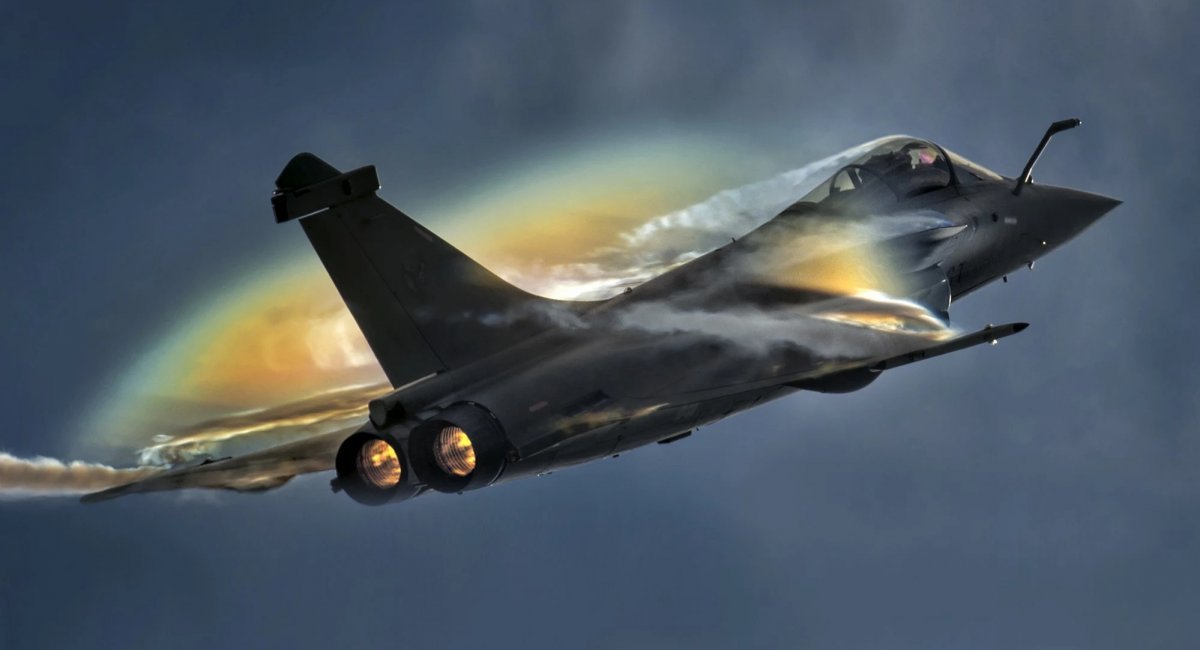
Safran, the French manufacturer of the M88 engine used in the Rafale, initially offered India a localized version and a derivative engine for domestic aircraft. However, in the end, the company agreed to transfer 100% of the technologies and help develop an entirely new powerplant from scratch.
This information was disclosed by India’s Defence Research and Development Organisation (DRDO). According to officials, all intellectual property for the new engine and related technologies will fully belong to India.
Read more: Armenia to Buy More russian Su-30 Fighters — This Time Made in India and Armed with New Missiles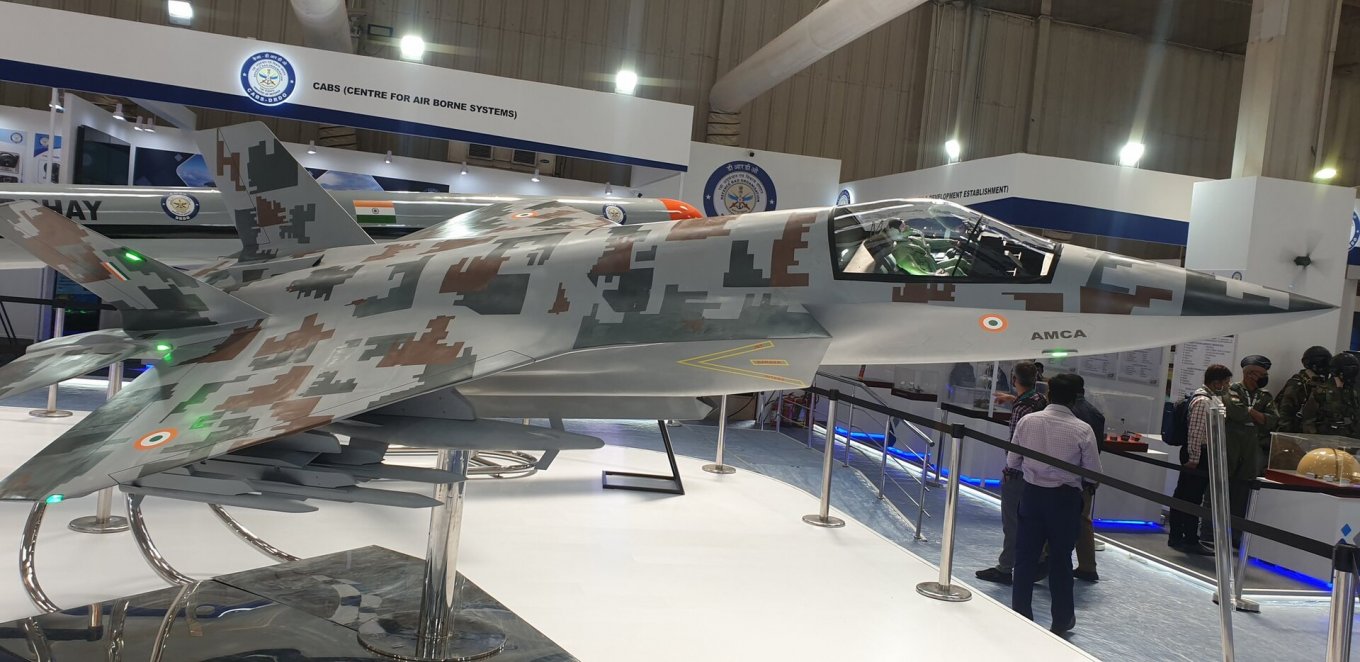 Model of the Indian AMCA fighter / Open-source illustrative photo
Although the full details have yet to be revealed, the discussion concerns the engine for the AMCA fifth-generation fighter, which is expected to outperform the Su-57. This will be far more expensive than Safran’s earlier proposal of USD 600 million — but India is willing to pay for greater autonomy and industrial capability.
The estimated development timeline is around 12 years, with at least nine prototypes envisioned for different classes of aircraft. The engine will feature variable-cycle architecture, advanced materials for high-efficiency thermal management, and reduced signature.
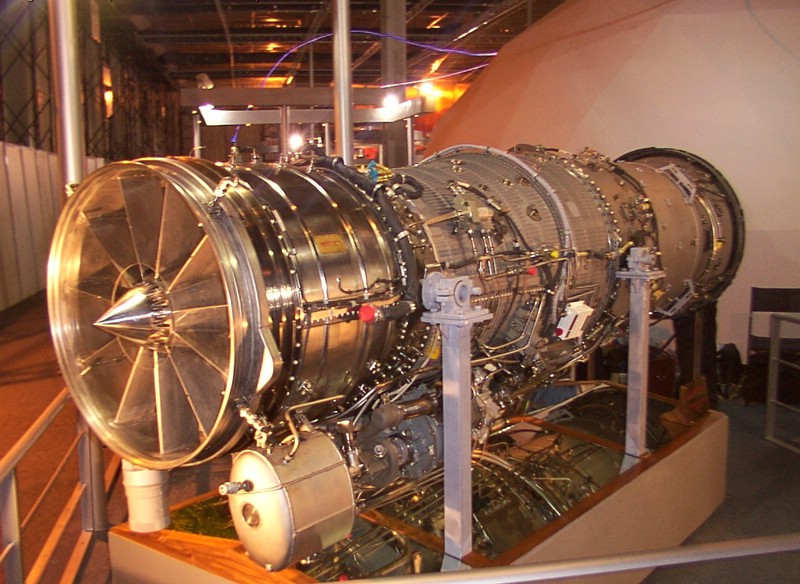 India’s long-delayed GTRE GTX-35VS Kaveri engine, which has failed to reach completion in nearly 40 years / Open-source illustrative photo
The target thrust is expected to fall between 110–140 kN, though no further details are provided. For comparison, the Pratt & Whitney F135 used in the F-35 produces 125 kN dry and 191 kN in afterburner, while the F119 of the F-22 delivers 116 kN and 156 kN respectively.
The most surprising aspect of this story is the willingness of Safran and France to completely transfer their technologies, including the “crown jewels” previously considered non-negotiable. In effect, they are helping create a potential competitor that may later capture part of the global market.
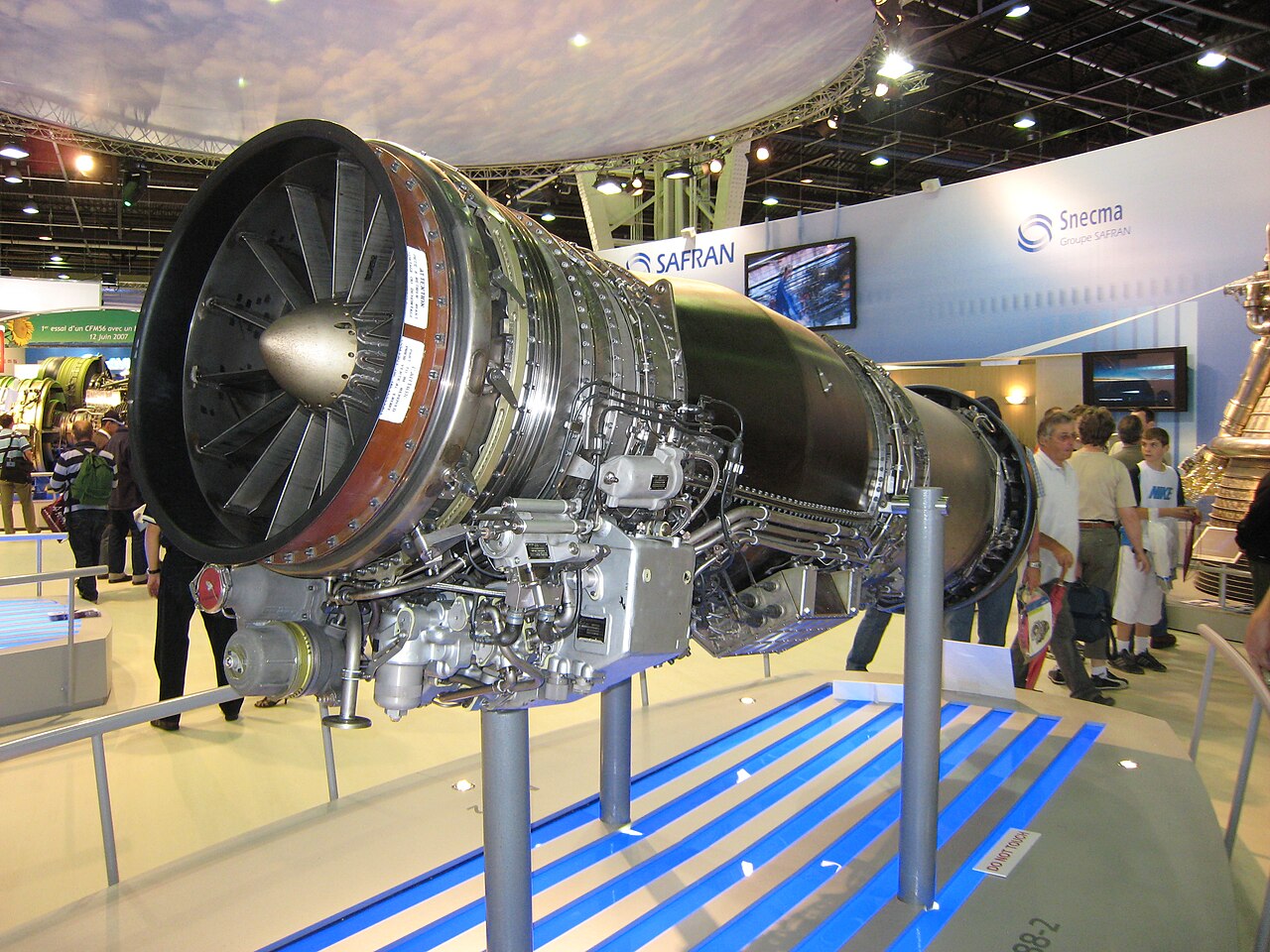 The French M88 engine used in the Rafale fighter
This may be linked to the Rafale contract, which India may have refused to finalize without deeper industrial cooperation. Other possible explanations include the threat of India turning to russia, Safran’s desire to gain new competencies or avoid losing existing ones, as development of the sixth-generation FCAS appears stalled due to political disputes.
Another possibility is that France simply does not view India as a serious competitor in aircraft manufacturing — a perception reinforced by decades-long delays in Indian projects and the recent Tejas Mk1 crash. However, this may also be a miscalculation that could create problems in the future.
Read more: BvS10 Amphibious Armored Carriers: Battle-Tested in Ukraine, Now Ordered by India