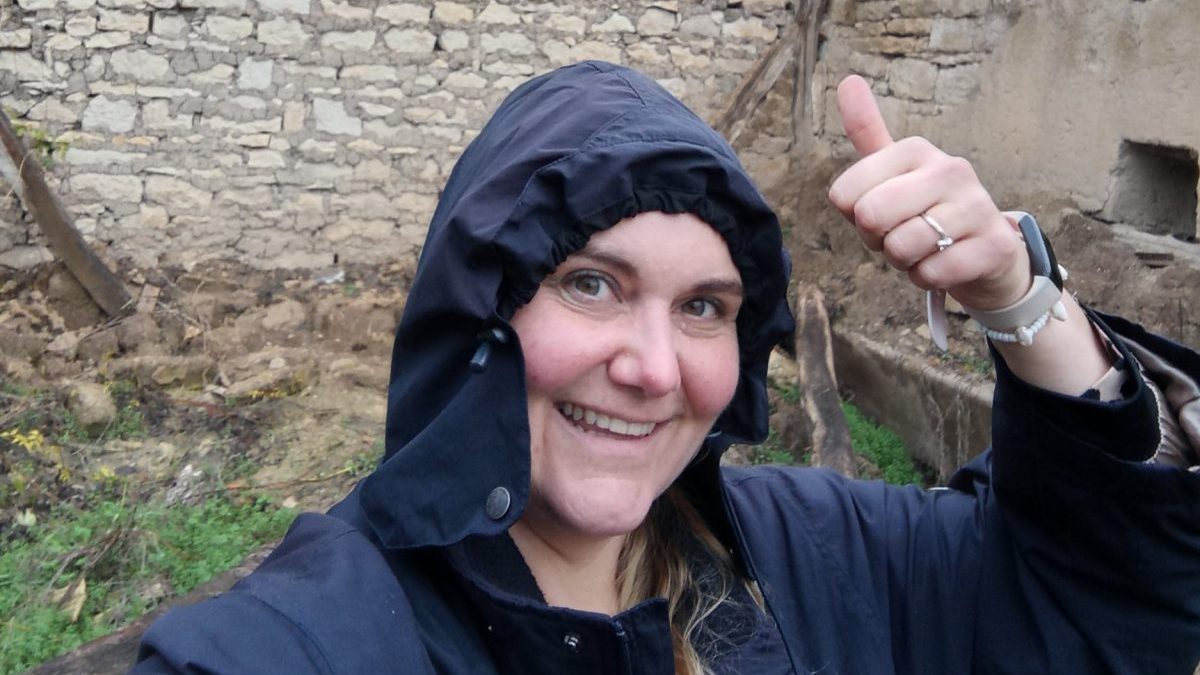
Sonja Morgenstern hopes to reap future rewards after renovation project in rural location
Sonja Morgenstern, 48, paid €1,000 for a house in Bulgaria this month – and hopes in the future her investment will provide large returns.
“The first time I saw the house, it was gorgeous sunny weather, and we had been swimming in the sea. It’s an old traditional Bulgarian house with the stairs outside, an outside toilet with a long drop and, although there is electricity to the house, it’s still cut off, and there is no water connection at present.”
The property has three rooms downstairs, including a kitchen, and three upstairs. The price includes two plots, one on which the house is sited and the other a field with development rights.
New FeatureIn ShortQuick Stories. Same trusted journalism.
“It’s all overgrown, but, although the roof has only slightly more tiles than holes, the ground floor remains liveable, so I’m told, as it is padlocked!” adds Sonja, who has three jobs – as a writer, casting director and cemetery manager.
She lives with her 11-year-old son in Bavaria, Germany, having moved there from London’s Islington in 2019, and sees this as “a fun side-project. It feels like going back in time to when my grandparents grew up.”
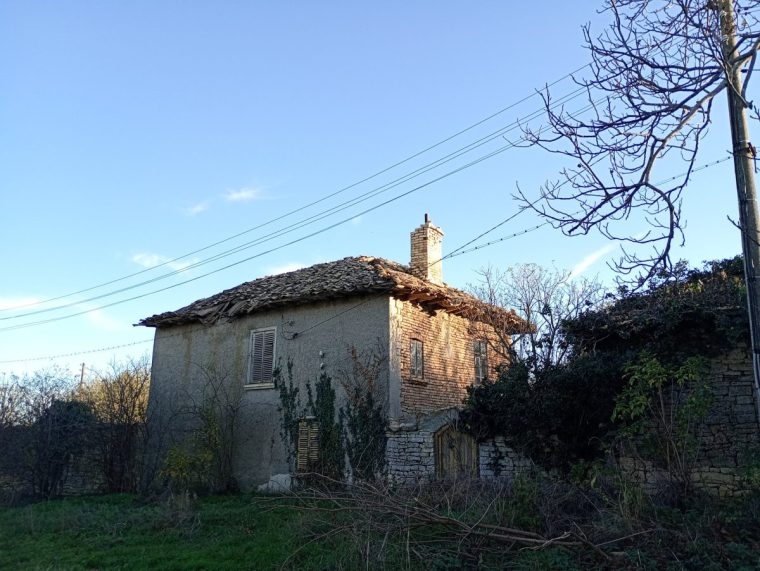 As well as the traditional house, the purchase also includes a field with development rights
In total, Sonja has spent €2,927 on the transaction, after first hearing about the house from her son’s father, to whose friend it belonged. As well as the cost of the property, she had to settle the vendor’s outstanding taxes and expenses – he wasn’t able to cover them himself – and pay a local agent to represent them both.
“I knew that there was no such thing as a €1,000 property. He was not going to sell it to us for €300 [what was left once his expenses had been deducted] so we had to pay for all of his fees. He was selling the house cheap and wanted the €1,000 out of the property,” she says. “The plan had been to do it up, but he didn’t have the money and hadn’t been there for six years.
“I had decided to buy it before I’d even gone there. What would I do with that money otherwise? It would just sit in an ISA or I’d buy a sofa. You could spend that money on a lovely holiday but then, two weeks, and it’s gone,” she says.
“You can get houses in Italy for €1 but you can’t live in them as you need to spend €5,000 on renovations.”
Sonja engaged the help of an agent who was fluent in English, and he pulled together the necessary paperwork, organised for the outstanding council taxes to be paid and did the land searches.
She saved the money by working three jobs as well as using some funds she inherited.
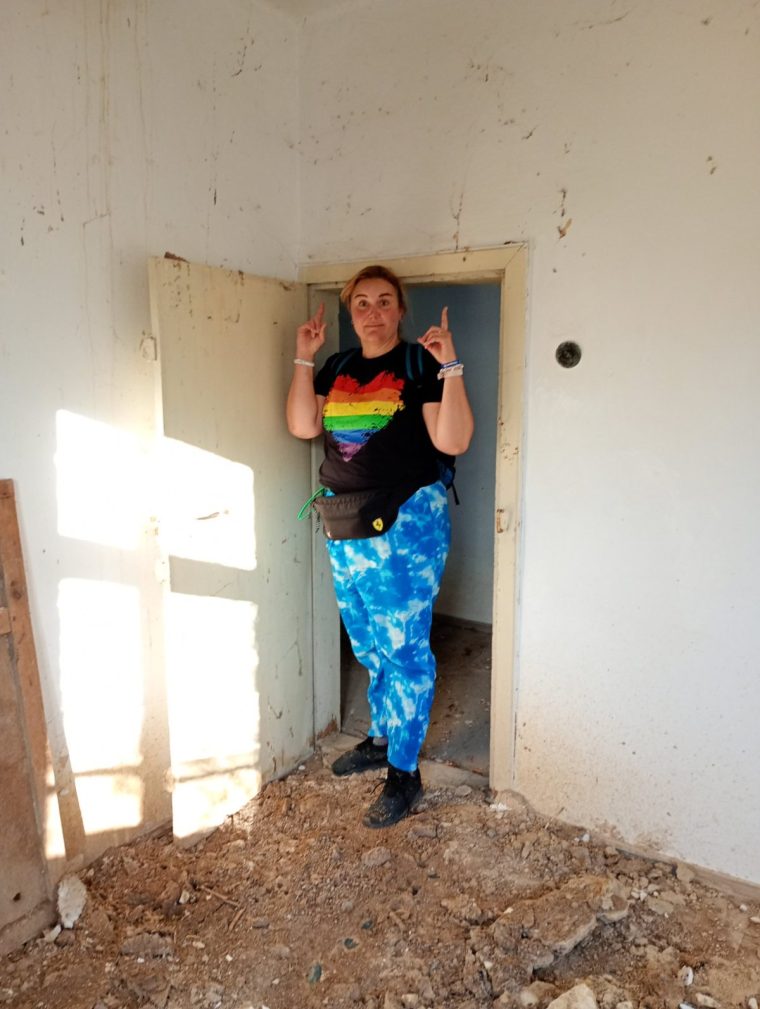 Sonja at the home near Novi Pazar. Her child’s father is going to live in it while doing renovations
Sonja is an EU citizen, but those who are not can still buy a house in Bulgaria. It will need to be purchased through a limited company and the building rather than the land will be owned, similar to a leasehold arrangement.
The property is in a ghost town near Novi Pazar, just over an hour’s drive from the Black Sea beaches. “I didn’t know Bulgaria well before I went to the house. I had been snowboarding a few years before and I knew about its lovely culture and food.”
The plan is for her child’s father to live in the property, in an “off grid” existence as he slowly undertakes renovations, before it is rented out in future.
Sonja said: “I’ll probably go once a year to see the progress and help out a bit. It will be quite nice once around €10,000 is spent on the roof. We aim to have helpers assist in raising the roof of the barn again in exchange for a place to live.
“Rents aren’t very high in Bulgaria and I don’t want to register for tax there, so it will be more of a free offer to stay to helpers or friends. As there is very little infrastructure I’m not sure how attractive it would be to renters, but I’d expect it to fetch around €15,000 in 15 years time. We can also build a second house and sell or rent one out, keeping the other one.”
The Bulgarians who live locally have quite a traditional existence. “People heat with wood or air conditioning units. It’s very basic,” says Sonja. “There are a lot of natural water springs, and you can drink from them. People still haul up water from the wells.”
This area is very quiet in the off-season winter months and there are few expats living here. House prices tend to be between €5,000-10,000, although they can go up to €50,000-60,000 for new builds in cities. In terms of the cost of living, Sonja says it’s mixed.
“It’s discretionary; a coffee bought at a street stall might be less than 50 cents but, at the airport, a Pumpkin Spiced Latte is €7. In Lidl, biscotti spread is €6, while in Germany it’s €2-4 and a Chinese takeaway, for a paper plate of noodles, would be €2 in Bulgaria but would be £8 in London.” She says petrol is also cheap, as are taxis, buses and hire cars which cost €29 a week.
“People often move here who are pensioners as the basic health care is €100 a year [less than in many EU countries]. People have fairly simple lives and watch their pennies. If you are coming from the overpriced cities of Europe, you will find it pretty cheap.”
In terms of the renovations, the plan is to get professionals to repair the roof but do the work inside themselves.
“The previous owners used to lug water up from a well but taking an hour every day to get water isn’t really an option for me with a child. I want it to be something that stands the test of time and to be able to go and stay there with friends,” Sonja says.
“My son’s father is quite handy. Instead of paying me rent, he’s going to do it up, salvaging materials and using reclaimed wood.”
She hopes her son will embrace the property in the future, either as somewhere to live off-grid or as a place to run a campsite. “My car cost more than this property did so I can’t imagine it going down in value.”