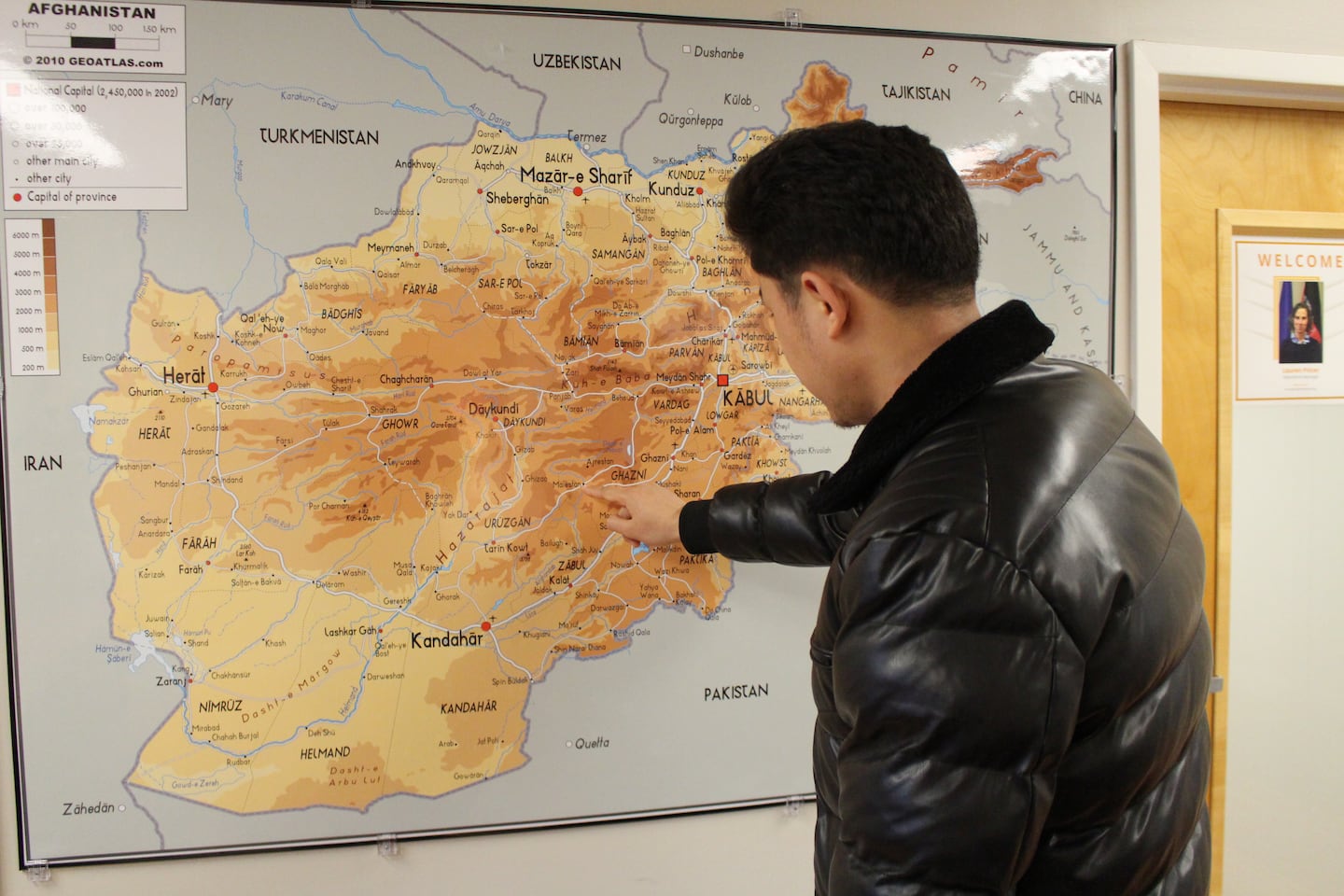
The recent story by Paul Heintz (“Some Afghan migrants who helped US lose food aid,” Page A1, Nov. 22) highlights one of the many inhumane and economically unsound outcomes of the so-called “Big Beautiful Bill”: the denial of Supplemental Nutrition Assistance Program benefits to refugees who do not have a green card. While the article rightly focuses on Afghan immigrants, many refugee groups in the United States will also be impacted.
Breaking with a more than 40-year-old law, the bill dictates that refugees cannot receive SNAP benefits unless they have a green card, which they are not eligible for until they have lived in the country for one year. The current average wait time to receive a green card after applying is 13 months.
This means that thousands of people offered safe harbor in the United States will be hungry. Their children, too. These are people who were heavily vetted and who in many cases helped our country in spite of great personal risk. Providing them with food assistance helps accelerate their ability to find jobs and contribute as tenants, consumers, and taxpayers.
Opening our doors to the globe’s most vulnerable populations and then denying them food support upon arrival is irresponsible and inhumane. What does it say about us as a nation that instead of protecting the persecuted, we further threaten their safety and health? Nothing good.
Jeff Thielman
Boston
The writer is the president and CEO of the International Institute of New England.