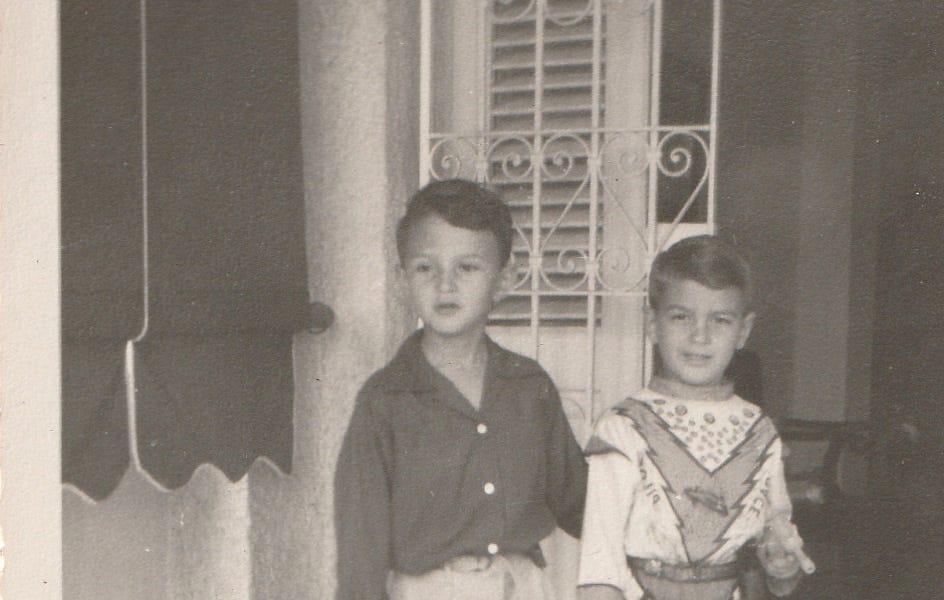
I can’t remember the moment I started thinking in English.
I was 11 when I arrived at Miami Airport with my parents and sister, one more family among the multitudes seeking to escape Fidel Castro’s Cuba. I knew a few words of English—“home run,” for example, and “strike three.” Beyond baseball, I was at sea.
It was October 1960, and I was dropped, without much ado, into a sixth-grade class at a school called, for some unknown reason, Merrick Demonstration. (What did we demonstrate? To this day, I have no idea.) My father, knowing how foreign students were treated in Cuba, warned me that I would be bullied mercilessly.
I was not bullied; I was treated with amazing kindness. That was my first experience of America, my first immigrant experience. And forgive me if I give away the plot of this story: From sixth grade to this late season of my life, I have never once been insulted, attacked, sneered at, rejected, or discriminated against because I wasn’t born an American. It worked the other way. I feel like a privileged character—and though I love most things Cuban, not least the food, whole days and weeks go by when I forget I’m an immigrant.
This simply could not happen in any other country.