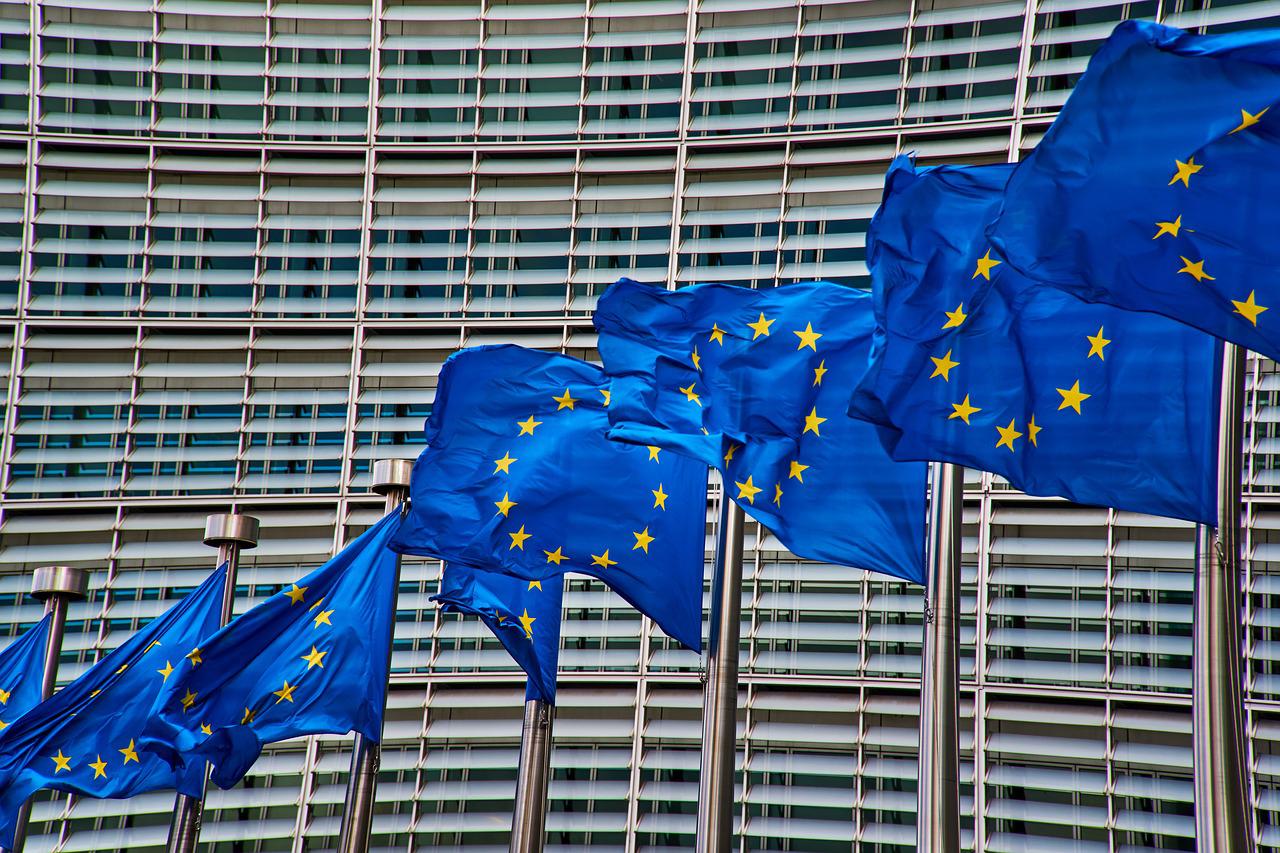
 Photo : Pixabay
The European Commission has found Malta at risk of material non-compliance with the EU fiscal framework after it assessed its draft budgetary plan for 2026, warning the country to take the necessary measures to avoid a possible stepping up of the excessive deficit procedure in spring.
The warning came as the Commission presented its 2026 European Semester Autumn Package, a comprehensive package of policy documents which includes opinions on the draft budgetary plans submitted by member states.
While Malta’s debt-to-GDP ratio is well below the 60% EU threshold, and while it aims to bring its high deficit-to-GDP ratio – which saw it placed under an excessive deficit procedure in 2024 – below the 3% threshold by next year, its fiscal policy is falling foul of another EU criterion: cumulative growth in expenditure.
While the EU recommends a maximum growth in expenditure of 20.4% by 2026 when compared to 23% levels, the 2026 Budget forecasts a 27% growth in spending, representing a cumulative deviation equivalent to 1.5% of the GDP.
“Overall, the commission is of the opinion that the Draft Budgetary Plan of Malta is at risk of material non-compliance with the maximum growth of net expenditure in the council recommendation with a view to bringing an end to the situation of an excessive deficit. Malta is therefore likely to fall short of delivering effective action, which could require stepping up the excessive deficit procedure,” the commission warned.
In this context, it reiterated a call it has made in the past, for Malta to wind down its costly energy subsidies, whose cost is projected to amount to 1.1% of the GDP this year and 1.0% the next. The commission noted that there was no sign of these subsidies being wound down: both the Labour Party in government and the Nationalist Party in opposition foresee retaining the populist measure indefinitely.
But while Malta was urged to end its energy subsidies and keep its spending in check, it is also being encouraged by the EU to substantially increase its spending in one particular sector: defence.
Malta is one of just 4 EU member states who are not part of NATO, whose members have committed themselves to raise their spending on defence to a staggering 5% of the GDP by 2035. In contrast, neutral Malta spends 0.5% of its GDP on defence.

