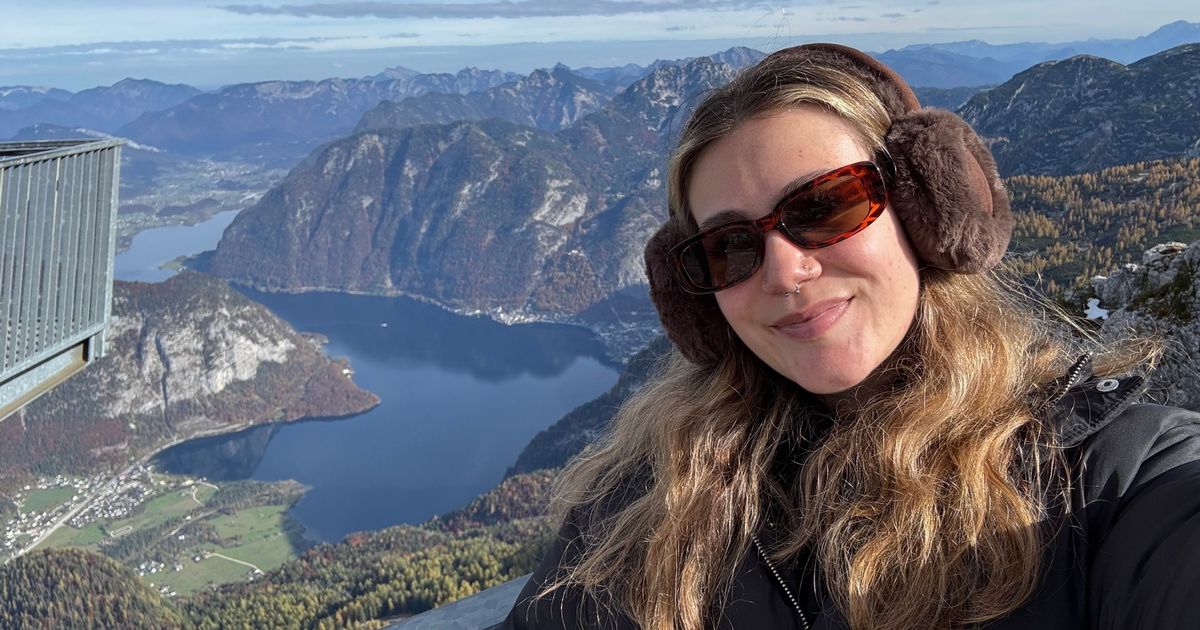
Miranda Pell visited Salzburg, Austria, with SalzburgerLand Tourism(Image: M.E.N)
Austria is a popular holiday destination all year round thanks to its beautiful summers, stunning autumn, perfect skiing winters and its rich history and culture.
While people are likely to visit the country’s capital city of Vienna on their adventures around Europe, there is another area of Austria that is a must-see for those avid travellers, which has the power to transport you straight into an idyllic fairy tale.
Salzkammergut is a beautiful region of lakes and Alpine ranges near the city of Salzburg in western Austria, close to the Germany border.
Known for its links to The Sound of Music, the area surrounding the city of Salzburg is popular for sightseeing and outdoor holidays including skiing, hiking, and biking. But that’s not all.

Everywhere you venture in Salzburg, you will find a view worthy of belonging on a postcard(Image: Vincent Croce Photography)
Visiting Austria in mid-October felt like something out of a movie.
Every landscape looked as picturesque as a postcard. The colours on the trees were unlike anything I’ve ever seen before.
New England areas such as Vermont and Maine are hailed for their must-see fall season, but the mountainous region of Salzkammergut gives the US a run for its money.
Trees of varying shades of brown, red and yellow standing next to each other on mountains overlooking beautiful lakes stopped me in my tracks everywhere I went.
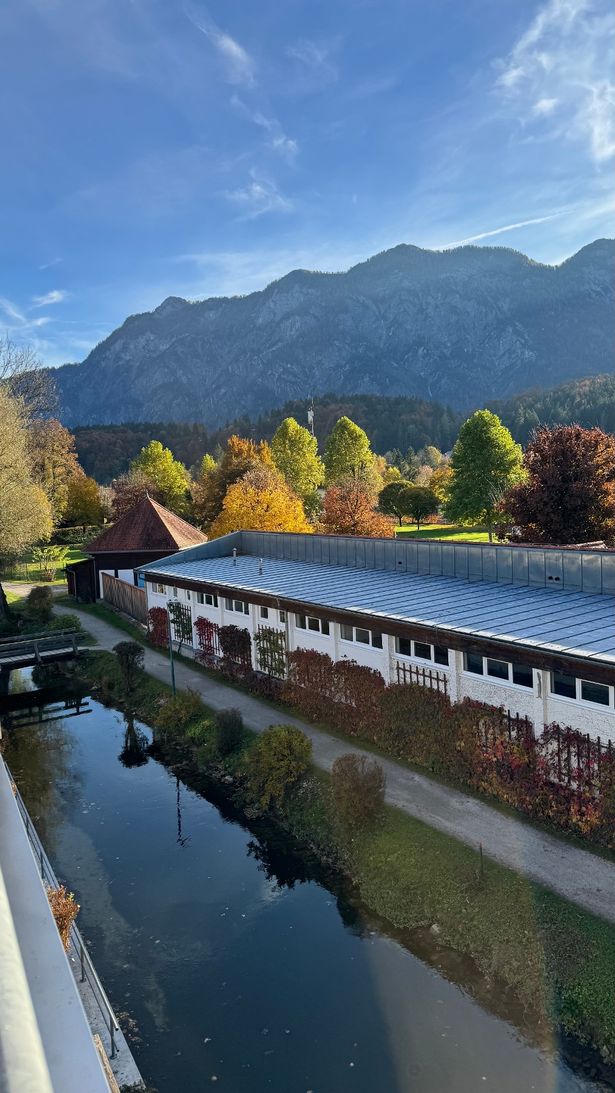
Stunning autumn trees with mountain backdrops and clear blue skies was a sight to behold(Image: M.E.N )
My trip to Austria was made even more beautiful because we were lucky enough to have four days of sunshine and blue skies – apparently a rare occurrence for Salzburg.
During my five day visit, it rained just once.
As well as The Sound of Music, Salzburg is known for being the birthplace of Wolfgang Amadeus Mozart, an influential composer from the classical period who was born in the Austrian city in 1756.
And in another musical link, the Christmas hymn Silent Night was composed in Salzburg by Franz Xaver Gruber with lyrics by Joseph Mohr, and was first performed on Christmas Eve in 1818. Now in Austria, Silent Night, or Stille Nacht, is only ever sung on December 24.
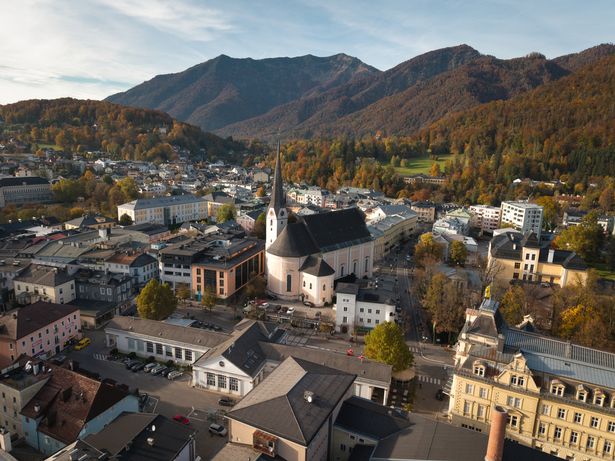
‘Everywhere in Austria looked as picturesque as a postcard'(Image: Vincent Croce Photography)
SalzburgerLand Tourism planned an action-packed itinerary that allowed me to explore Salzburg and the surrounding areas across four days in October. Here are some of the things I got up to.
Dachstein Krippenstein
Dachstein Krippenstein is a beautiful ski resort in Obertraun, Austria, but it can be accessed all year round. Tourists and locals alike visit the Alpine area for hiking and biking throughout the year to witness the stunning views from the top of the mountain range overlooking lake Halstatt.
An exhilarating cable-car ride takes you all the way up the mountain, which will set height-fearing folk quaking in their boots. But it is worth it!
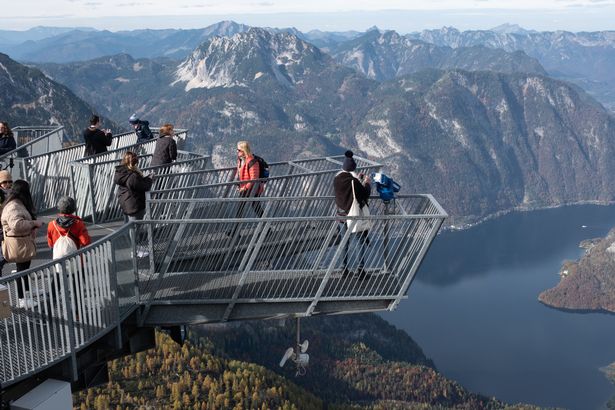
Five Fingers viewing platform at the top of Dachstein Krippenstein (Image: Vincent Croce Photography)
The Five Fingers viewing platform is accessible throughout the year for those visitors who dare to ascend to 2,100 metres above sea level to look out at the Dachstein Glacier, the mountains and the lakes below.
Dachstein Krippenstein is home to three natural caves – the Giant Ice Cave, Mammut Cave, and Koppenbrüller Cave.
Warm layers are a must for a visit to Dachstein Krippenstein as the giant ice cave remains at 0C or lower all year round, even in summer. The ice cave, which offers visitors a light show, musical elements and even a not-so-friendly bear interaction, closes between November and May.
Although Salzburg is best known for its links to The Sound of Music, it was my day at the Dachstein Krippenstein that really stood out to me. The beauty and peaceful nature of the area was simply incomprehensible, even while I was panting hiking up the mountain.
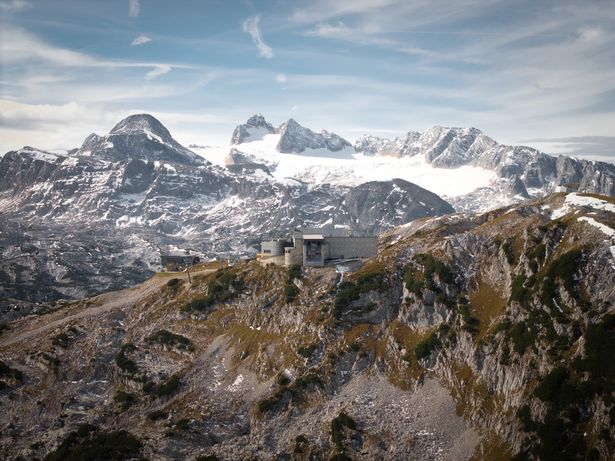
The view at the top of Dachstein Krippenstein of the Dachstein Glacier(Image: Vincent Croce Photography)
The Sound of Music
Salzburg is a must-see destination for any fans of The Sound of Music. The five-time Academy Award winning movie, starring Julie Andrews, was entirely set and partially filmed in Salzburg.
Upon landing in Salzburg, fans of the film will instantly recognise the hills from the 1965 film.
To really make the most of visiting the famous area, it’s worth booking yourself onto a Sound of Music Tour, in which you get to learn about the production of the adored film and trace the exact steps that Julie Andrews took back in the 60s when they were creating the acclaimed movie.
Many filming locations were pointed out to me during my walking tour of Salzburg City, such as Mirabel Gardens, which is the location of Do Re Mi, and Frohnburg Palace, a Baroque building known for being the exterior filming location of the Trapp family villa.

Mirabel Gardens, located in Salzburg city, is a key filming location in The Sound Of Music(Image: M.E.N)
And I got to visit Basilika St. Michael in Mondsee, the church in which Maria and Georg got married.
This year, The Sound of Music is celebrating 60 years since its release, and there are events taking place throughout the remainder of the year to honour the iconic film and the real life family behind the story.
The history of The Sound of Music will be celebrated through exhibitions at Schloss Leopoldskron and the Salzburg Museum, open-air performances, themed walking trails, and the musical revival at the Salzburg State Theatre.
And for those avid Sound of Music fans planning on taking a trip to Austria, a brand new museum is set to open in 2026 in Salzburg city centre, so you may want to book your holiday once the museum has opened up.
Hallstatt
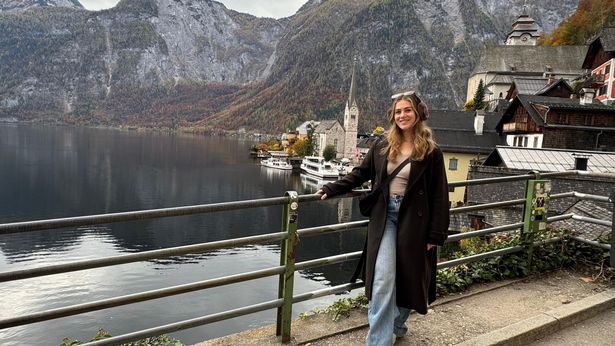
Halstatt is a gorgeous tiny village located in western Austria near the Germany border(Image: M.E.N)
Hallstatt is a tiny picturesque village in Austria’s mountainous Salzkammergut region. It features gorgeous 16th-century Alpine houses and fairy tale alleyways which are home to cute cafes, souvenir shops and bars and restaurants.
A funicular railway, which is currently being renovated and is set to reopen next year, connects the village of Hallstatt to Salzwelten, the oldest visiting salt mine in the world, and to Skywalk Hallstatt viewing platform.
Hallstatt has a miniscule population of just 750 with space for around 700 overnight guests per day. Although the village requires a certain level of tourism to sustain itself, it is currently being overwhelmed by such high numbers of tourists.
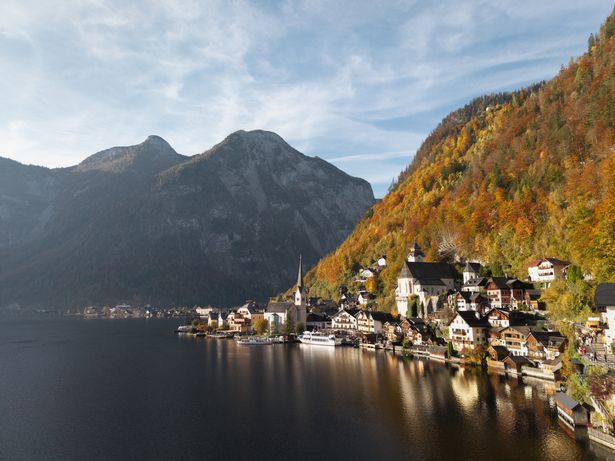
Halstatt has a miniscule population of just 700 residents(Image: Vincent Croce Photography)
The village reportedly sees around one million tourists each year, which is still a growing number, and the tourism board has had to allocate time slots for coaches bringing visitors to the village to avoid overcrowding.
Although the region relies heavily on tourism for its economy, using money raised to build better and stronger infrastructure and improved public services, there are too many people visiting which is causing problem such as the amount of rubbish created and the streets become so busy that residents struggle to go about their daily business.
Tourist numbers reportedly began to swell in around 2015 when major tech companies LG and Samsung used an iconic photo of the Austrian village as one of their stock screensavers. Since then, thanks to the likes of TikTok and Instagram, more and more tourists have begun to flock to Hallstatt to get a shot in the famous photo spot.
Golling
Golling an der Salzach is a market town in the Hallein district of Salzburg, Austria, which features an iconic filming location from the Sound of Music and several beauty spots such as the Gollinger Wasserfall, or Golling Waterfall.
The picturesque town of Golling is home to the Nikolauskircherl church which appears in the opening scene of The Sound of Music, a must-see for fans of the film and story. It also offers panoramic views of the area.
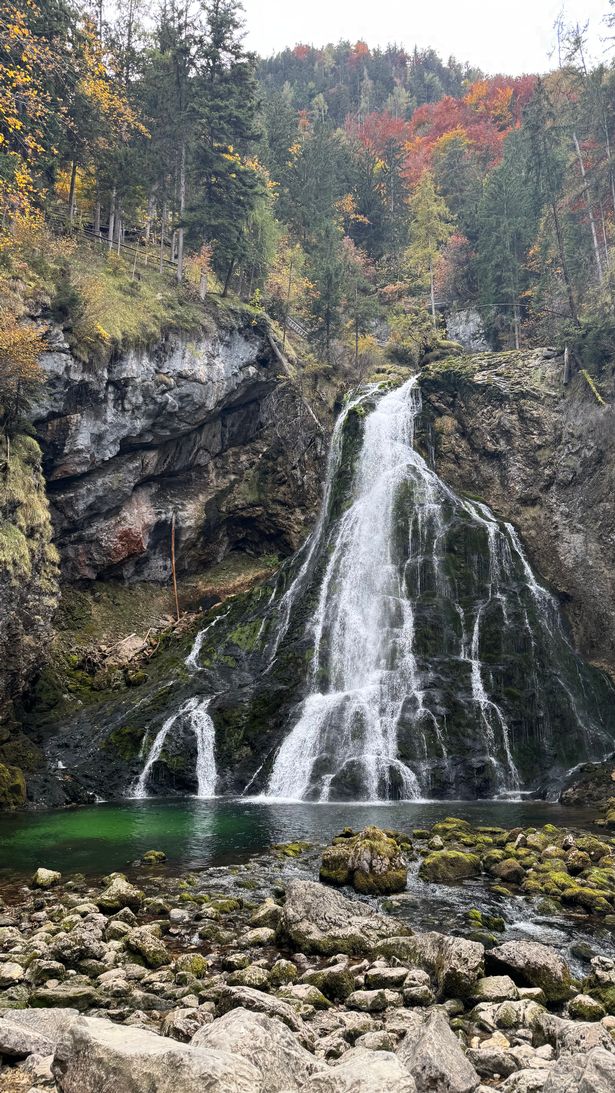
Golling Wasserfall (Image: M.E.N)
Also located in the Golling area is a park where Austrian painter Gustav Klimt, known best for ‘The Kiss’, was inspired to paint his 1899 landscape painting ‘A Morning at the Pond’, also known as ‘Tranquil Pond’, which was inspired by the Egelsee lake.
Food and drink
As a vegan, I was slightly apprehensive about what food I would be able to eat in Austria, renowned for its Wiener Schnitzel. But I was pleasantly surprised by the vegetarian and vegan food offerings during my trip to Salzburg.
Although I sadly didn’t get to try it, one restaurant actually offered a vegan version of the traditional Wiener Schnitzel, made from tofu.
If I had to make one complaint as a vegan travelling around Salzburg, I would say that it was hard to find a restaurant or café that offered plant-based milks when we were in more rural areas – so Austria unfortunately had to face a severely under-caffeinated Miranda.
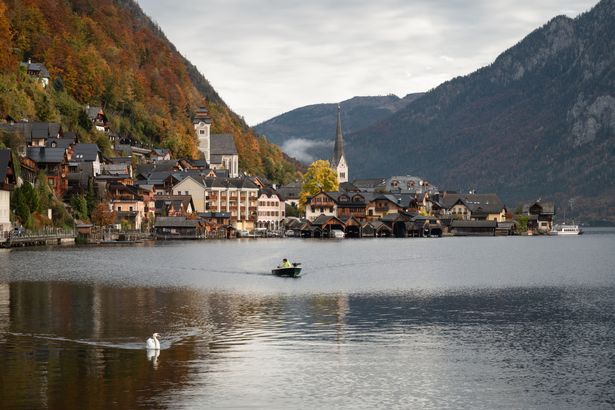
The gorgeous village of Halstatt, located in Salzkammergut (Image: Vincent Croce Photography)
Fresh and local produce is prioritised across restaurants in Austria, and I can confirm that I felt very healthy after a week in the mountain air and consuming a whole variety of fresh, in-season vegetables.
A stand-out moment was when we visited the nearly 500 years old Sternbrau, which is a huge restaurant (an indoor seated capacity of 780) in the city of Salzburg.
It is believed that Mozart himself spent many hours at the Sternbräu, particularly in 1777.
Travel fact-file and full price breakdown
During her stay in Austria, Miranda was a guest at the following hotels (costs are for two adults per room):
Grand Elisabeth: Located in Bad Ischl, close to Halstatt, and costs upwards of €188 for a classic double room or €199 for a room with a balcony.Hotel Goiserermuhle: Located in Bad Goisern and costs upwards of €179 for a standard double room and €199 for a superior double room.Jufa hotel in central Salzburg which costs between €52 and €148.80 depending on the season and day of the week.
Miranda flew from Gatwick directly to Salzburg with British Airways. Return flights for two adults will cost between €60 to €180 at off-peak times, and upwards of €240 in peak holiday season.

The stunning ice cave accessible during a visit to Dachstein Krippenstein(Image: Vincent Croce Photography)
Activity price list
Sound of Music tour of Salzburg city: From €60
Dachstein Cave Ticket: €48.70 per person – included with this is cable car ascent and descent, section 1, one entrance & guided tour: Ice and Mammut Cave
Tour of Salzwelten salt mine: €68 for two adults
Tour of Halstatt: €135 for tours in German (there is a 20% surcharge for tours in another language)
Miranda explored Austria with SalzburgerLand Tourism who booked all the activities on the trip including accommodation and restaurants.