Trump says those with green cards from 19 different countries will be re-examined. Asylum decisions have also been paused.
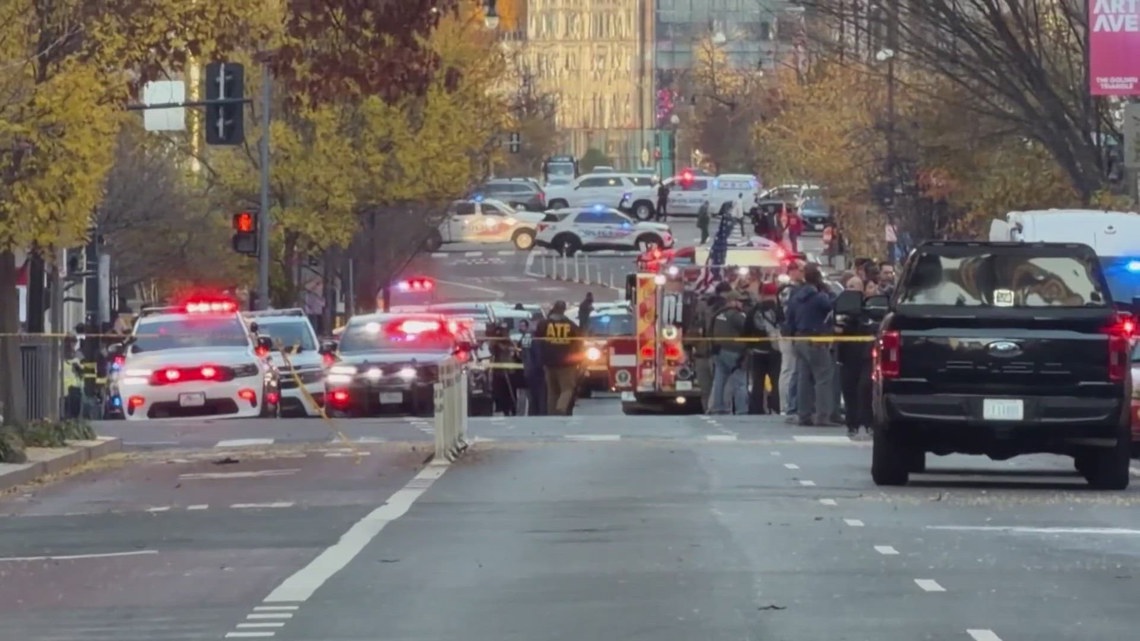
WASHINGTON — President Donald Trump announced new immigration restrictions and a pause on asylum decisions on Friday. A response to the shooting of two National Guard soldiers near the White House earlier this week — a move legal experts say could affect thousands of refugees and legal residents living in the United States.
Specialist Sarah Beckstrom died from her injuries following the attack. Staff Sgt. Andrew Wolfe remains hospitalized at MedStar Washington Hospital Center.
The suspect, Rahmanullah Lakanwal, an Afghan national who once served with a CIA-backed unit before resettling in the United States, has been charged with first-degree murder.
In a Truth Social post, Trump said the administration would re-examine green cards issued to immigrants from nineteen countries and would pause all pending asylum decisions nationwide, citing national security concerns. The policy marks one of the most expansive immigration actions announced during Trump’s current term, broadening federal scrutiny beyond the border and into programs for people already legally living in the country.
Advocates and immigration attorneys say the announcement has fueled fear in refugee communities — particularly among humanitarian parolees and documented asylum recipients who could now be subject to new interviews or re-vetting procedures.
“People are in an absolute panic about what to do,” said Yael Schachter, who works with refugees in the Washington, D.C. region. “They don’t know what it means for their future.”
Schachter said families her organization assists are already limiting public outings, having groceries delivered, and avoiding schools, workplaces, and transit.
“There’s a real fear of sending kids to school, of just going about daily life,” she said.
Immigration attorney Kelley Ortega said the mass re-examination of green-card holders could face legal challenges, noting that U.S. immigration law typically requires individual allegations of wrongdoing before legal status is reopened.
“It’s not standard protocol,” Ortega said. “At the very least, it’s concerning to qualify entire groups of people as potential threats because of the actions of one person.”
Schachter estimates there were roughly 8,000 people in the D.C. area enrolled in refugee admissions programs between 2022 and 2024, many of whom could soon be contacted for re-interview.
Lakanwal arrived in the U.S. in 2021 under the Operation Allies Welcome program and was granted asylum earlier this year. He remains hospitalized.