Veteran of Latvian Politics: “We Are Experiencing an Era of Questionable Values”
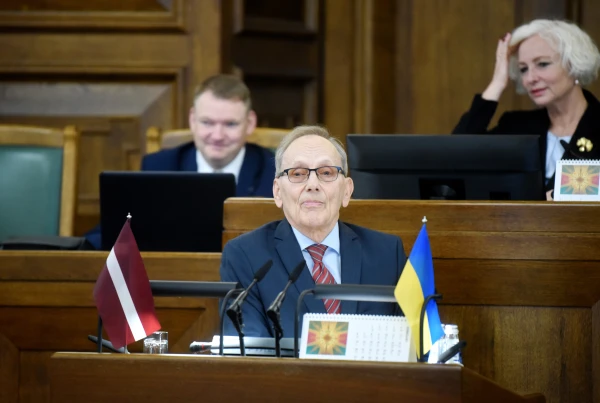
Independent deputy Aleksandrs Kiršteins does not hide his extremely negative attitude towards the economic (and not only) policies being implemented in the country. Here are vivid excerpts from a recent interview with the veteran of Latvian politics, published on the website pietiek.com:
“We are experiencing an era of questionable values, where priority support measures are provided to wealthy individuals wishing to purchase electric cars costing 30,000 to 80,000 euros, even though this is not a necessity in Latvia. The support for purchasing such cars is greater than that for the birth of a child and the subsequent monthly allowance. But the people who can afford this are wealthier than an average family. This means that the state is handing out money to those who already have it, while not considering support measures for families.
The best demonstration of the country’s development is shown by changes in population numbers. When Valdis Dombrovskis was elected prime minister in 2009, 80,000 working-age people emigrated from Latvia. Over the 16 years of the JV and ZZS governments, about 400,000 Latvians have left. People emigrate from countries with stagnant economies. The experience of pre-war Latvia and post-war Germany shows that a country can achieve economic prosperity within five to ten years. Argentina’s President Milei has managed to reduce inflation, which was at a thousand percent per year, to just a few percent in a short period, while the number of people living below the poverty line decreased by two million. He has also prompted European conservatives to consider reducing the state administration by eliminating or merging ministries. It is ridiculous that we have separate ministries for energy, transport, and economy, even though these sectors cannot be separated and should be assigned to one minister. Culture also cannot be separated from education, just as health cannot be separated from welfare.
Let us hope that in the next elections to the Saeima, people will pay more attention to those candidate lists that provide for a sharp reduction in state bureaucracy, placing greater importance on demographic issues and economic development!”