2025-11-30T14:31:56+00:00
font
Enable Reading Mode
A-
A
A+
Shafaq News – Middle East
Iran is rapidly rebuilding its missile and air-defense
capabilities and stepping up support for allied groups across the region,
Israeli media outlets reported.
According to Ynet, Iran has restarted large-scale solid-fuel
missile production, receiving 10–12 shipments from China totaling about 2,000
tons of sodium perchlorate—enough for roughly 500 ballistic missiles—with
facilities working around the clock to rebuild launchers and stockpiles lost in
the June war.
The Times of Israel also noted that another Israel–Iran war
is widely seen as a matter of timing, citing assessments that Iran is working
toward the ability to fire up to 2,000 missiles at once and still holds enough
enriched uranium for roughly 11 nuclear weapons, while continuing to supply
advanced missiles and drones to allied groups across the region.
Israel’s public broadcaster relayed assessments that Tehran
is restoring capabilities “heavily damaged” during the 12-day war in June,
driven by concern over the prospect of another Israeli operation on Iranian
territory.
The coverage cited intensified shipments of advanced weapons
to Hezbollah in Lebanon, accelerated arming of Yemen’s Ansarallah movement with
ballistic missiles and drones, and increased efforts to smuggle weapons into
the West Bank for attacks against Israelis. Israeli intelligence has reportedly
been tracking unusual shipping and trafficking activity linked to Iran.
Meanwhile, former ambassador Yoram Ettinger argued that Iran
is accelerating the restoration of its ballistic, air defense, and nuclear
capabilities despite decades of sanctions, highlighting growing Chinese support
in rebuilding solid-fuel missile production and air defense systems, alongside
long-standing cooperation involving missile technology, training, and guidance
components.
On the next round of speculation, Zman Israel argued that
Israel may launch another strike before the end of the year to prevent Iran
from rebuilding its military strength, describing the June campaign as only a
partial success that instead unified Iranians under fire. It warned that in any
new clash, “Tehran is expected to respond faster and with heavier missile
barrages designed to impose higher costs on Israel and strain its air-defense
systems.”
Tensions have remained high since June 13, when Israel
launched “Operation Rising Lion,” a surprise campaign of airstrikes on Iranian
territory that targeted military and nuclear facilities, including the main
uranium enrichment complex at Natanz, and killed senior Revolutionary Guard
commanders, nuclear scientists, and officials.
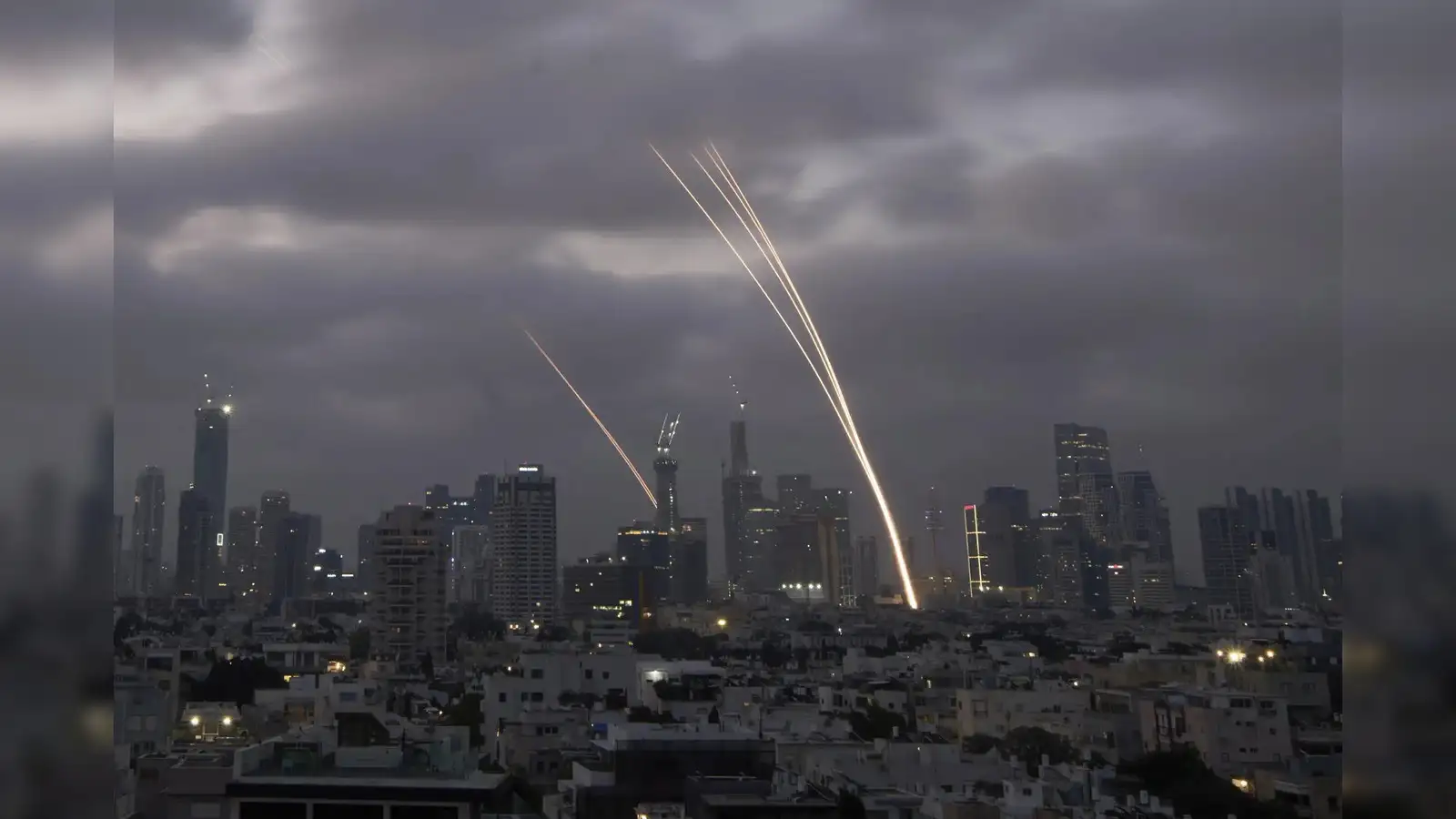
Iran responded with “Truthful Promise 3,” a series of
missile attacks on Israeli air bases and military infrastructure, while the
United States struck three Iranian nuclear sites before a ceasefire was reached
following further Iranian retaliation against the Al-Udeid US air base in
Qatar.
Iran recorded 1,062 deaths during the 12-day war, including
276 civilians, while Israel reported 28 fatalities and more than 3,000 injuries
over the same period.
Read more: Zero-sum game: Can the Iran-Israel conflict push Iraq toward frontline?