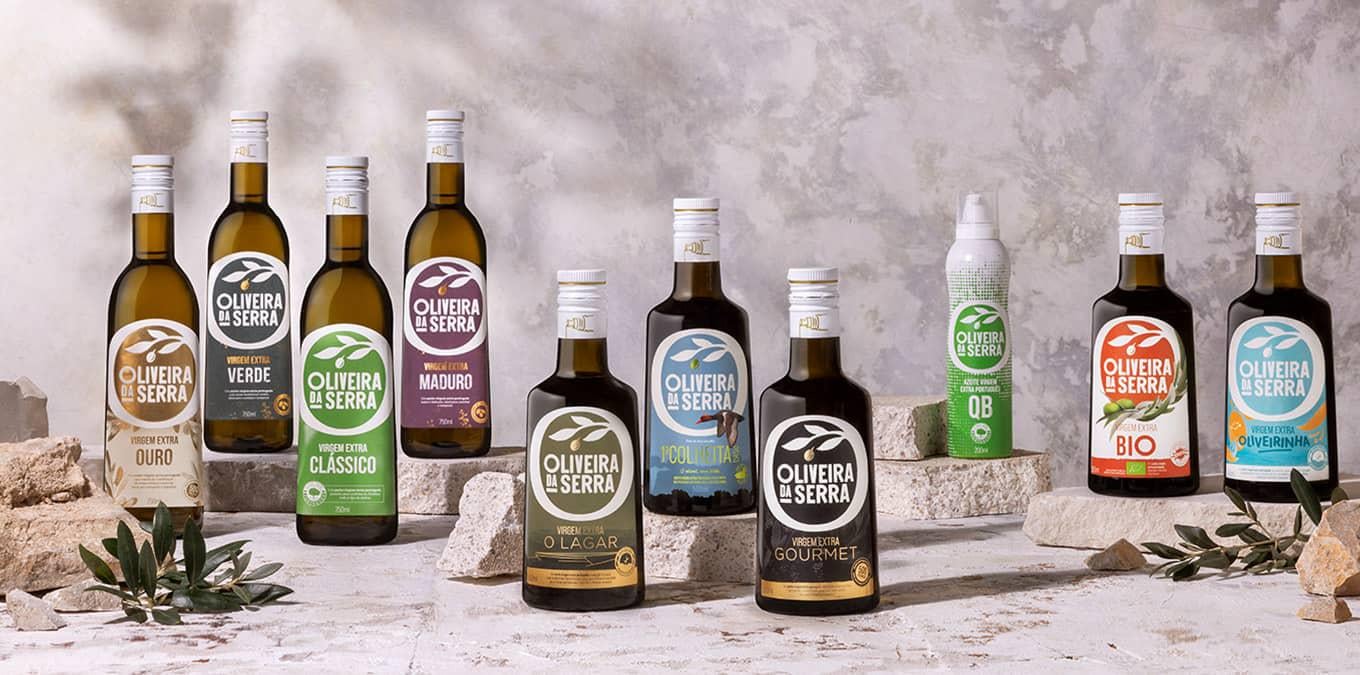
Boa tarde malta.
I was in the store and saw these are all on sale and was tempted to grab some. But are all of these variants meaningfully different from each other (excluding the spray and the "bio" variant)? Is there a single one that is the best among all?
I tried going to the brand's website but all I found were vague and qualitative words that don't provide a clear description.
If you have tried and compared some of them, I would love to hear your thoughts and opinions.
Muito obrigado!
by Suluranit
20 comments
Different label for sure. Probably also different acidity.
Deffly different but not different enough for the average person I guess
They are completely different, since it’s based on the process of refining and production. Some of them, are harder to notice the difference. But most of them, you can easily taste and notice the difference immediately. We are talking about taste, consistency, the resistance to heat, color and even smell.
There are places where you can have a tasting experience.
Edit: Olive oil is a bit like wine. It all depends on the product, type of olives and the refining, extra virgin for example. To say which one is the best is a bit personal. It depends on what you like. Of course there the ones the are more for cooking, others more delicate for bread, other for seasoning. The general “rule” is extra virgin is the best. My favourite Portuguese olive oil is either from Moura or Esporão. But that’s just a personal taste.
Is the Wine all the same ?
I can only tell my experience with the spray one. I like it its easy to dose. The others i have no clue.
So far you’ve taken the misleading approach. It’s not the labels or the website wafting comments that allow for reliable criteria to appreciate olive oil quality and taste. Firstly you’d have to know what extra virgin olive oil is (in the EU we have precise rules), where the olives were collected, whether it’s filtered or not, the production year, etc. Secondly you’d have to possess tasting buds that spot a fruity, a subtle or a neutral flavour. Then come your culinary needs, as different preparations call for different olive oil types. Do your homework and distrust all kinds of marketing techniques. Bon appetit.
99.9% just marketing.
Maybe, if you have a trained palate you may notice a slight difference between them.
Most of us? Nope.
Esqueçam as marcas. Para terem BOM azeite, procurem pelos pequenos produtores.
I accidentally wasted 10mL of those expensive oils to make popcorn & my father almost hit me 😭
Definitely different, even if subtle. The taste, the colour.
It might not be relevant for the casual consumer. Even though I’d say every portuguese person has a favourite brand, it’s something we use too much in our food.
One of the diferences would be the acidity. You can check on the botle, writen somewhere in thiny letters. It can be 0.4% or 0.5% or 0.1%, etc…
on my bread it tastes all expensive
Most of the olive oil in the supermarket is all about the same for cooking. If you want taste you need to go to a co-op the difference is night and day you can really taste the olive oil when you get the cook stuff 🙂
Todos diferentes
Depends on your preference.
In the world of olives the specialists most will say VERDE is the better one.
1a COLHEITA I’ll assume this one is very similar to VERDE.
In Portugal majority of people won’t like VERDE as much and prefer OURO, MADURO or LAGAR.
This happens due to our heritage when it comes to the variety of our olives, galega olives for example are way milder on the taste buds. In Spain/Italy they prefer stronger taste (Picual/Frantoio) , sometimes even smell resembles grass… I can’t understand how this is good but whatever. This mindset happens with other typical Mediterranean products (wine, cheese, spice mix and blends, etc).
The combination of flavours and how the dishes are prepared matters too. So I guess to each cuisine, each product…
You can go to their factory and have a tour. It includes a tasting of 5-6 of those hosted by their head taster.
It was definitely very interesting. And you could easily taste the difference between them all. Best of all, it was free
The difference is the taste. Some have a more intense taste, others have a more delicate taste. In layman words, some are better to eat with potatoes others are better for salad…
The big brands (Italian, Spanish, Portuguese) purchase the olive/olives oil from many small producers. Each one of those labels is a blend (mixture), therefore the taste is consistent over the years.
Olive oil expert here with a post grad in Culinary Food Sciences. Can confirm that those bottles vary in colour and sometimes size.
Try the one who say Verde and will you notice the difference for sure. Some are very hard to tell but that one is not.
Se entrares num supermercado para comprar azeite e só houverem duas marcas, cada uma com a sua variedade a probabilidade de escolheres uma delas é 50%. A agora se uma delas tiver muitas variedades essa probabilidade aumenta consideravelmente.
As a Portuguese person, it’s hilarious to me how many foreigners are unaware of this.
There’s a fine line between flavor and variety:
– Flavors usually add changes to the product.
– Variety is just a different version of the same product you want to consume.
One is entirely separate, the other is similar but different.
These olive oils are similar but different.
Same thing with wine. They all taste the same if you’re unexperienced in drinking.
Potato chips clearly don’t.
Comments are closed.